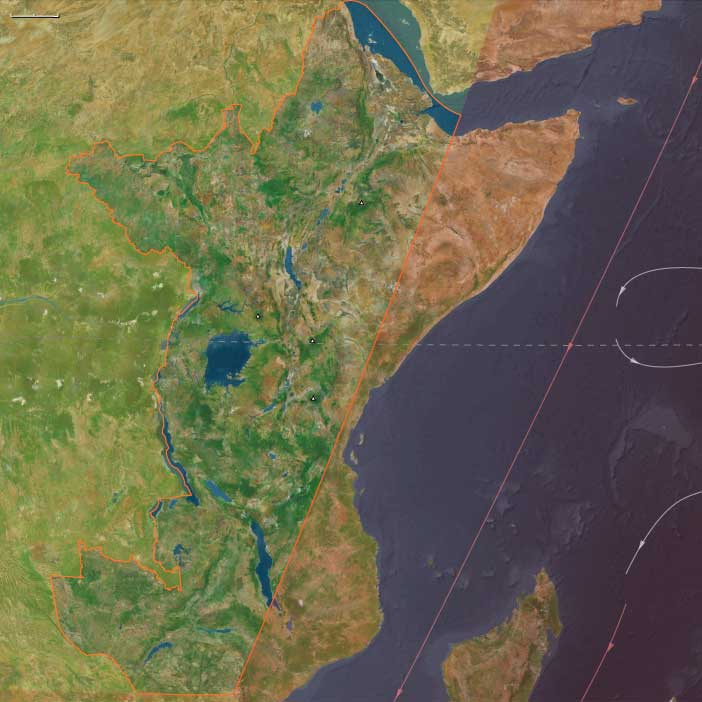
The British have sought from the beginning…
1924 CE to 1935 CE
Southern Sudan's remote and undeveloped provinces—Equatoria, Bahr al Ghazal, and Upper Nile—had received little official attention until after the First World War, however, except for efforts to suppress tribal warfare and the slave trade.
The British justify this policy by claiming that the south is not ready for exposure to the modern world.
To allow the south to develop along indigenous lines, the British, therefore, have closed the region to outsiders.
As a result, the south remains isolated.
A few Arab merchants control the region's limited commercial activities while Arab bureaucrats administer whatever laws exist.
Christian missionaries, who operated schools and medical clinics, provide limited social services in southern Sudan.
Groups
Dinka people
View →
Nuer people
View →
Arab people
View →
Fur people (Nilo-Saharan tribe)
View →
Anglicans (Episcopal Church of England)
View →
London Missionary Society
View →
Britain (United Kingdom of Great Britain and Ireland)
View →
Sudan, Anglo-Egyptian
View →
Egypt, Kingdom of (British Protectorate)
View →
Britain (United Kingdom of Great Britain and Northern Ireland)
View →
Regions
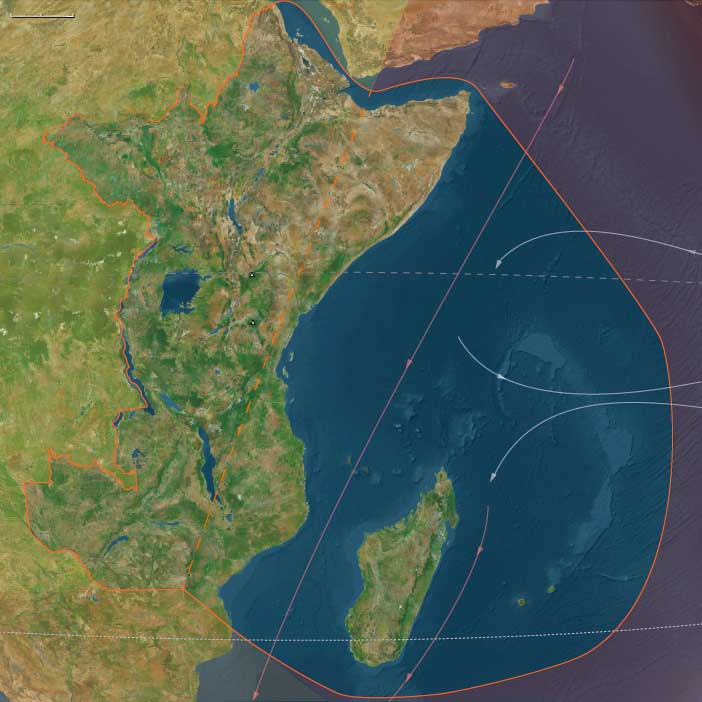
East Africa
View →Subregions