
The Evolution of Cannons and the Dulle…
1430 CE
The Evolution of Cannons and the Dulle Griete ("Mad Meg") (1430)
Since their introduction in the 12th century, cannons had evolved dramatically, transitioning from small, crude gunpowder weapons to massive siege artillery. Initially used to hurl metal balls, stones, or other projectiles from wooden or metal tubes, these early cannons were relatively short-barreled and inconsistent.
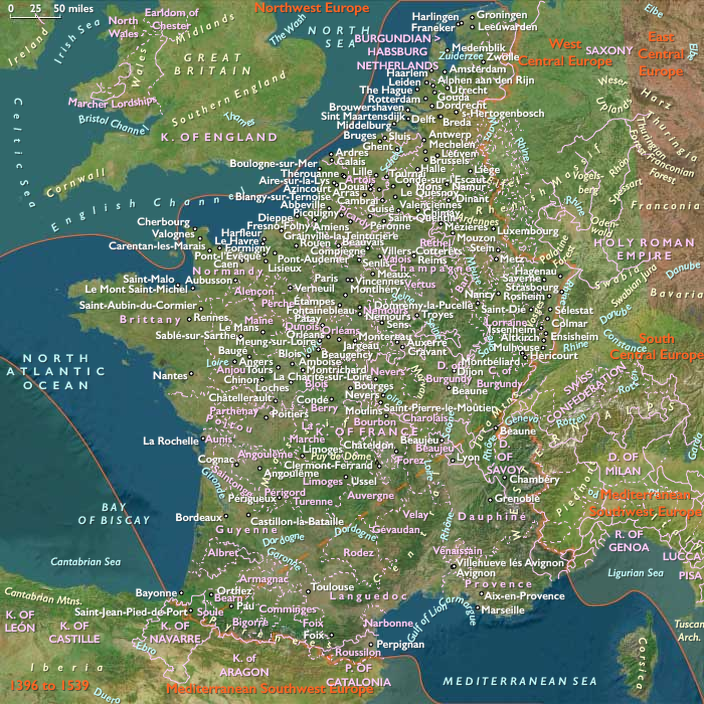
By the 15th century, European armies had perfected the art of casting enormous bombards, capable of shattering fortifications and reshaping siege warfare. One of the most impressive examples of this technological leap was the Dulle Griete ("Mad Meg"), built in Brabant in 1430.
I. The Dulle Griete ("Mad Meg") and Its Specifications
- Constructed in Brabant in 1430, the Dulle Griete was one of the largest cannons of its time.
- Specifications:
- Weight: 13 tons.
- Bore Size: 25 inches (64 cm).
- Projectile Weight: 700-pound (315 kg) granite ball.
- The sheer size and power of Mad Meg made it a formidable siege weapon, capable of destroying castle walls and city defenses with a single shot.
II. The Role of Superguns in 15th-Century Warfare
- The rise of massive bombards like Dulle Griete marked a turning point in medieval warfare, shifting the advantage from fortified castles to well-equipped artillery forces.
- Similar superguns from the era included:
- Mons Meg (Scotland, 1449).
- The Great Turkish Bombard (built by Orban for the Ottomans, 1453), used in the fall of Constantinople.
- These enormous cannons, while slow and difficult to transport, were devastating in sieges, leading to the gradual decline of traditional medieval fortifications.
III. The Legacy of Dulle Griete and Heavy Artillery
- Dulle Griete represented the height of medieval artillery innovation, demonstrating Europe’s increasing mastery of gunpowder warfare.
- The trend of super-heavy bombards continued into the 16th century, eventually giving way to more mobile and efficient field artillery.
- The use of such massive cannons paved the way for the evolution of modern siege warfare, where gunpowder weapons became the dominant force on the battlefield.
The construction of the Dulle Griete ("Mad Meg") in 1430 symbolized the growing dominance of artillery in European warfare, marking a shift from the age of castles to the era of gunpowder sieges.
Groups
Commodities
Subjects
Regions
West Europe
View →Subregions
