Quietism is the name given (especially in…
1700 CE
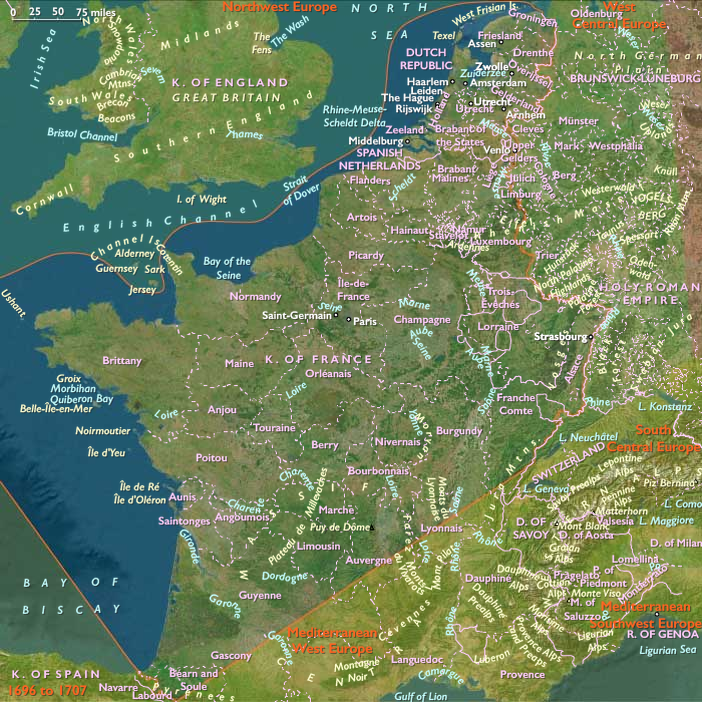
Quietism is the name given (especially in Roman Catholic Church theology) to a set of Christian beliefs that had risen in popularity in France, Italy, and Spain during the late 1670s and 1680s, are particularly associated with the writings of Miguel de Molinos (and subsequently François Malaval and Madame Guyon), and which had been condemned as heresy by Pope Innocent XI in the papal bull Coelestis Pastor of 1687.
The “Quietist” heresy was seen to consist of wrongly elevating ‘contemplation’ over ‘meditation’, intellectual stillness over vocal prayer, and interior passivity over pious action in an account of mystical prayer, spiritual growth and union with God (one in which, the accusation ran, there existed the possibility of achieving a sinless state and union with the Christian Godhead).
Since the late seventeenth century, “Quietism” has functioned (especially within Roman Catholic theology, though also to an extent within Protestant theology), as the shorthand for accounts which are perceived to fall foul of the same theological errors, and thus to be heretical.
The year 1700 sees the Quietism of François Fénelon and others.
Locations
People
Regions
West Europe
View →Subregions