
Northern Australia (1108 – 1251 CE): Dreaming …
Years: 1108 - 1251
Northern Australia (1108 – 1251 CE): Dreaming Landscapes, Fire Farming, and Torres Strait Chiefdoms
Geographic and Environmental Context
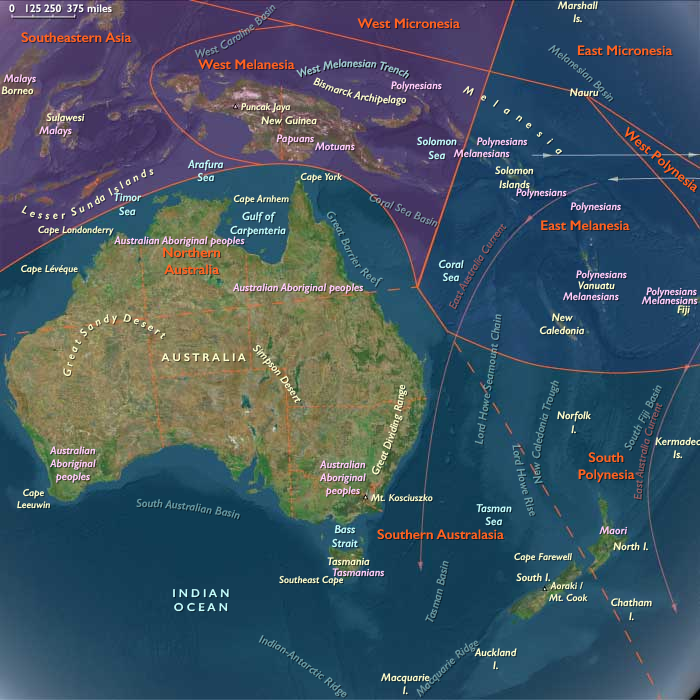
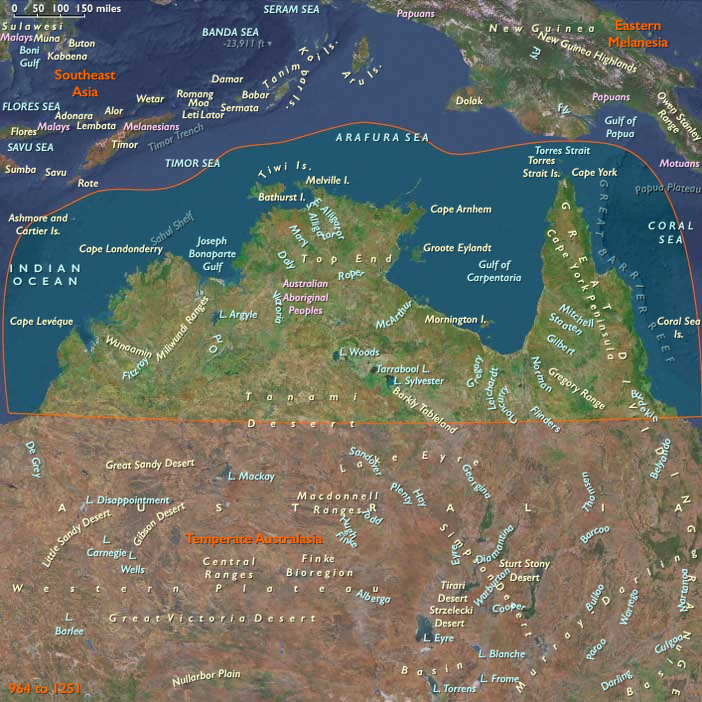
Northern Australia includes northern Australia (the Kimberley, Arnhem Land, Cape York Peninsula, and the Gulf of Carpentaria) together with the Torres Strait Islands.
-
Mainland north: tropical savannas, seasonal wetlands, and sandstone escarpments shaped forager mobility and ritual mapping.
-
Torres Strait: fertile volcanic islands and reefs midway between New Guinea and Cape York, a true cultural hinge.
Climate and Environmental Shifts
-
During the Medieval Warm Period, rainfall was generally favorable, though monsoons varied year to year.
-
Wet–dry seasonality structured annual cycles: wet-season abundance in wetlands, dry-season reliance on lagoons and inland hunting.
-
Stable sea levels sustained extensive reef systems and mangrove estuaries.
Societies and Political Developments
-
Arnhem Land & Kimberley:
-
Kin-based bands organized around totemic songlines, with rights to land and sea anchored in ancestral law.
-
Wandjina and Gwion Gwion rock art traditions flourished, depicting spirit beings, ceremonies, and daily life.
-
-
Cape York & Gulf of Carpentaria:
-
Seasonal aggregations for ceremonies, marriages, and exchanges reinforced wide-ranging kin ties.
-
Dugong and turtle hunts along coasts, kangaroo and emu drives inland.
-
-
Torres Strait Islands:
-
By this period, chiefly systems were consolidating.
-
Island communities combined horticulture (taro, yam, bananas) with intensive reef fishing and turtle hunting.
-
Hereditary leaders mediated alliances, warfare, and long-distance trade with both New Guinea and Cape York.
-
Economy and Trade
-
Hunting and gathering (mainland): marsupials, reptiles, fish, shellfish, roots, and tubers; firestick farming enriched hunting grounds.
-
Wetland resources: Arnhem Land and Gulf supported rich eel, goose, and yam harvests.
-
Torres Strait horticulture: taro gardens, yam fields, banana groves supplemented marine foods.
-
Trade:
-
Pearl shell, turtle shell, canoes, and dugong tusks moved between Torres Strait, New Guinea, and Cape York.
-
Ochre, spear shafts, resin, and ceremonial objects circulated widely across Arnhem Land and the Kimberley.
-
Subsistence and Technology
-
Mainland: bark canoes, nets, spears, and woven fish traps; firestick farming created grass–scrub mosaics.
-
Torres Strait: outrigger sailing canoes for inter-island and Papuan trade; yam storage pits; stone fish traps and tidal weirs.
-
Tools: stone axes, wooden clubs, shell scrapers; ceremonial masks and drums in island societies.
Movement and Interaction Corridors
-
Songline paths: connected sacred sites and travel routes across the Kimberley and Arnhem Land, linking clans by shared ancestral law.
-
Torres Strait canoe routes: the hub of long-distance trade, joining Australia to New Guinea.
-
Cape York–Gulf trails: seasonal paths between inland hunting grounds and coastal fisheries.
Belief and Symbolism
-
Dreaming (mainland): ancestral beings shaped rivers, hills, reefs, and skies; rituals renewed their law each season.
-
Torres Strait cosmologies: initiation cults, warrior spirits, and fertility rituals tied to reef deities and sky beings; masks embodied ancestor–spirit powers.
-
Ceremonies: corroborees reinforced kinship and ecological management.
Adaptation and Resilience
-
Mobility: ensured access to wetland, savanna, and coastal resources through seasonal rounds.
-
Portfolio economies: horticulture in Torres Strait combined with foraging and reef fisheries, buffering climate variation.
-
Fire management: enhanced pasture and tuber growth, reduced wildfire risk.
-
Inter-island and cross-cultural trade: provided redundancy in times of shortage.
Long-Term Significance
By 1251, Northern Australia displayed a dual adaptation:
-
Mainland Aboriginal groups sustained foraging and ceremonial systems rooted in Dreaming law and ecological knowledge.
-
Torres Strait Islanders developed chiefly horticultural–maritime polities, turning the strait into a major hub of exchange between New Guinea and Australia.
This mix of ancient continuity and new political complexity set the stage for later centuries of intensified trade and ritual authority.
Groups
- Australians, Indigenous
- Bininj
- Yolngu
- Tiwi people
- Yanyuwa
- Garrwa people
- Wardaman peopl
- Jawoyn
- Torres Strait Islanders
Topics
Commodoties
Subjects
Regions
Subregions
Years: 1108 - 1251
Groups
- Australians, Indigenous
- Bininj
- Yolngu
- Tiwi people
- Yanyuwa
- Garrwa people
- Wardaman peopl
- Jawoyn
- Torres Strait Islanders
Topics
Commodoties
Subjects
Regions
Subregions