Tropical West Southern Africa (4,365 – 2,638…
4365 BCE to 2638 BCE
Tropical West Southern Africa (4,365 – 2,638 BCE) Late Neolithic/Chalcolithic — First Livestock at the Margins and Wetland–Pasture Pairing
Geographic and Environmental Context:
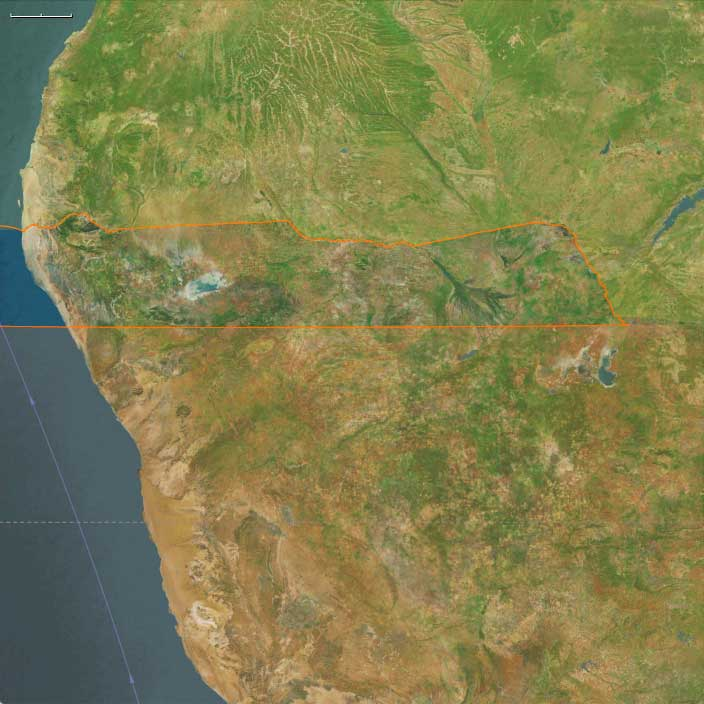
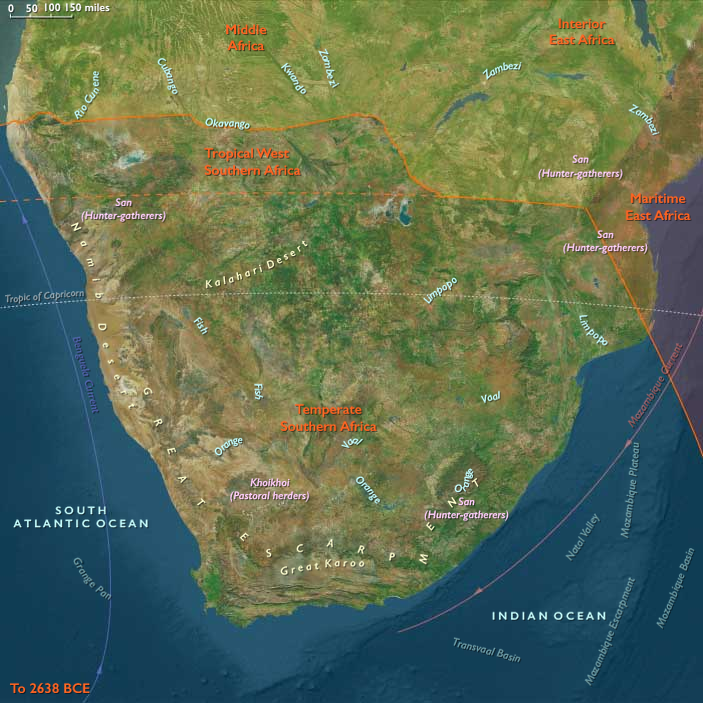
Tropical West Southern Africa includes the far-northern zones of Botswana and Namibia, including the Okavango Delta, the Zambezi–Chobe–Caprivi Strip wetlands, the Etosha Pan basin and surrounding thornveld, and the Namib’s Skeleton Coast fringe.
Anchors: Okavango Delta (Boro–Thamalakane–Khwai distributaries), Zambezi–Chobe–Cuando/ Kwando–Linyanti–Caprivi channels and floodplains, Etosha Pan (Oshigambo–Oshivelo margins, Ekuma–Omuramba inlets), Owambo/ Cuvelai seasonal rivers, and the Skeleton Coast (surf-battered gravel plains, fog-fed lichen fields, seal rookeries).
-
Pastoral streams from the north/ northwest reached the Caprivi fringe; Okavango floodplain edges offered seasonal grazing; Etosha margins served as dry-season pasture.
Climate & Environmental Shifts
-
Slight drying trend; flood pulses remained annual but sometimes reduced.
Subsistence & Settlement
-
Sheep/goat appear in small numbers among forager camps near Caprivi–Okavango by late in this window;
-
Herding remained supplemental to fishing/ gathering/ hunting.
Technology & Material Culture
-
Pottery begins to appear in small quantities (cooking/ storage); continued microlithic hunting kit; leather water bags complement OES flasks.
Movement & Interaction Corridors
-
Pastoral–forager exchange corridors along Zambezi–Chobe and Okavango levees; hides, meat, fish traded for stock access/ milk.
Cultural & Symbolic Expressions
-
Rock art starts to display domestic animal forms near flood edges; ritual proscriptions govern water access and grazing.
Environmental Adaptation & Resilience
-
Wetland–pasture complementarity spreads risk; milk/ meat add protein buffers to flood-season storage.
Transition
By 2,638 BCE, mixed forager–pastoral mosaics had formed along the Okavango–Caprivi–Etosha belt.
Images

Tropical West Southern Africa in the Late Holocene
Groups
Topics
Commodities
Regions
Southern Africa
View →Subregions