Two anonymous manifestos, Fama Fraternitatis RC (The…
June 1622 CE
Two anonymous manifestos, Fama Fraternitatis RC (The Fame of the Brotherhood of RC) and Confessio Fraternitatis RC (The Confession of the Brotherhood of RC), had been published between 1607 and 1616, first in Germany and later throughout Europe.
The influence of these documents, presenting a "most laudable Order" of mystic-philosopher-doctors and promoting a "Universal Reformation of Mankind", has given rise to an enthusiasm called by its historian Dame Frances Yates the "Rosicrucian Enlightenment".
Rosicrucianism, the theology of a secret society of mystics, said to have been founded in late medieval Germany by Christian Rosenkreuz, holds a doctrine "built on esoteric truths of the ancient past", which, "concealed from the average man, provide insight into nature, the physical universe and the spiritual realm."
Symbolized by the Rosy Cross, the movement is associated with Protestantism and in particular Lutheranism.
According to historian David Stevenson, it was also influential to Freemasonry as it was emerging in Scotland.
In later centuries, many esoteric societies have claimed to derive their doctrines, in whole or in part, from the original Rosicrucians.
Several modern societies, which date the beginning of the Order to earlier centuries, have been formed for the study of Rosicrucianism and allied subjects.
As wars of politics and religion ravaged the continent in the early 1600s, the manifestos had caused excitement throughout Europe by declaring the existence of a secret brotherhood of alchemists and sages who are preparing to transform the arts, sciences, religion, and political and intellectual landscape of Europe.
The works are re-issued several times and followed by numerous pamphlets, favorable and otherwise.
Between 1614 and 1620, about four hundred manuscripts and books have been published which discuss the Rosicrucian documents.
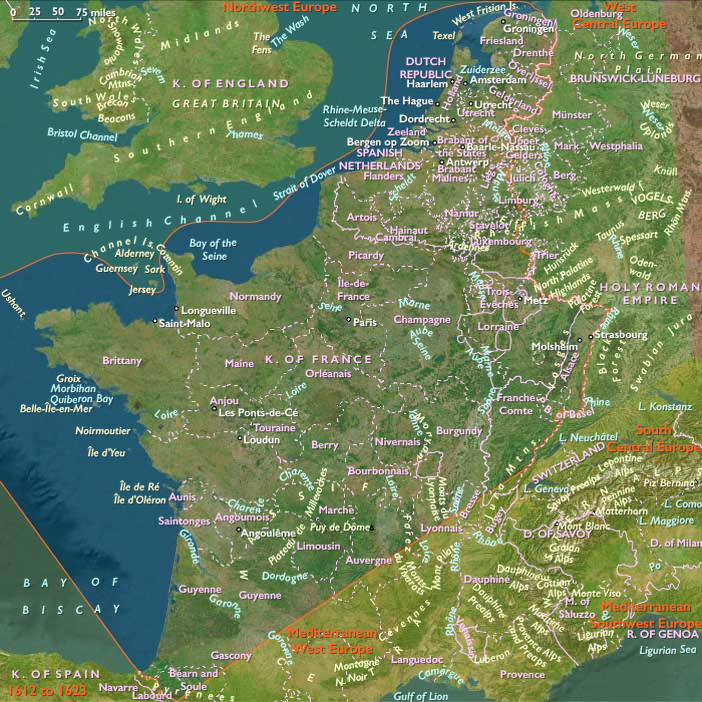
The peak of the so-called "Rosicrucianism furor" is reached when two mysterious posters appear on the walls of Paris in 1622 within a few days of each other.
The first says, "We, the Deputies of the Higher College of the Rose-Croix, do make our stay, visibly and invisibly, in this city (...)" and the second one ends with the words, "The thoughts attached to the real desire of the seeker will lead us to him and him to us".
Locations
Topics
Subjects
Regions
West Europe
View →Subregions