The Battle of Cape Finisterre (July 22,…
July 1805 CE
The Battle of Cape Finisterre (July 22, 1805) – A Confused Naval Engagement
In July 1805, the Franco-Spanish fleet, under Vice Admiral Pierre-Charles Villeneuve, sailed from the Antilles back to Europe, aiming to evade the British blockade and reinforce Napoleon’s naval forces.
The Difficult Atlantic Crossing
- The voyage was arduous, even for seasoned Spanish Admiral Federico Gravina, who had crossed the Atlantic eleven times.
- On July 9, the French ship Indomitable lost its main spar in a gale, while other vessels sustained slight damage.
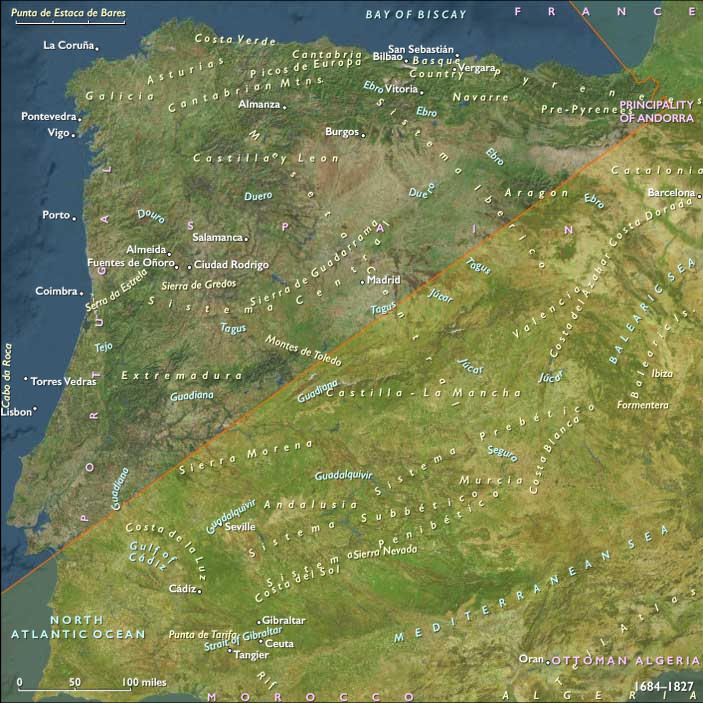
- By July 22, the fleet sighted land near Cape Finisterre, with some ships in poor condition, crews exhausted, and food supplies dwindling.
Vice Admiral Calder Moves to Intercept
- On July 19, Vice Admiral Robert Calder received news of Villeneuve’s return.
- He was ordered to abandon his blockade of Rochefort and Ferrol and intercept the Franco-Spanish fleet at Cape Finisterre.
- The fleets sighted each other at about 11:00 AM on July 22.
The Battle Begins – Confusion in the Fog
- After hours of maneuvering southwest, the battle commenced at 17:15.
- The British fleet, led by Hero (Captain Alan Gardner), bore down on the Franco-Spanish line of battle.
- Visibility was poor, and the engagement quickly became a chaotic melee.
Malta’s Engagement – Fighting Against the Odds
- The British ship Malta, commanded by Sir Edward Buller, initially formed the rearmost ship in the British line.
- As the battle became disorganized in failing light and thick fog, Buller found himself surrounded by five Spanish ships.
- Despite being outnumbered, Malta fought fiercely, suffering five killed and forty wounded, while sending out devastating broadsides from both port and starboard sides.
- At around 20:00, Buller forced the Spanish 80-gun San Rafael to surrender and later captured the 74-gun Firme.
Calder Calls Off the Action (20:25)
- At 20:25, Calder signaled to break off the engagement, intending to resume battle the next day.
- However, due to the failing light and confusion, some ships continued firing for another hour.
Aftermath – A Controversial Battle
- Calder had captured two Spanish ships, but Villeneuve’s fleet remained largely intact.
- The battle was indecisive, but Calder would later be criticized for not pressing his advantage.
- Villeneuve, despite escaping destruction, failed to fulfill Napoleon’s grand naval strategy, setting the stage for the decisive British victory at Trafalgar three months later.
The Battle of Cape Finisterre was thus a missed opportunity for both sides—for the British, a chance to destroy Villeneuve’s fleet, and for the French, a chance to achieve naval superiority before the Battle of Trafalgar (October 1805).
Locations
Groups
Regions
Southwest Europe
View →Subregions