
Wijerd Jelckama and the Frisian Revolt: Struggle…
1521 CE
Wijerd Jelckama and the Frisian Revolt: Struggle for Independence (1520–1521)
Wijerd Jelckama, born in 1490 into a family of prosperous farmers and minor nobility, traces his lineage back to crusading knights, including an ancestor who perished during the Siege of Antioch. By the early sixteenth century, Jelckama has become a key figure in the struggle to reclaim Frisia’s independence from foreign domination.
Partnering with the charismatic leader Pier Gerlofs Donia, Jelckama has fought fiercely against the Saxon occupierswho control significant portions of their homeland. Their efforts include notable successes such as:
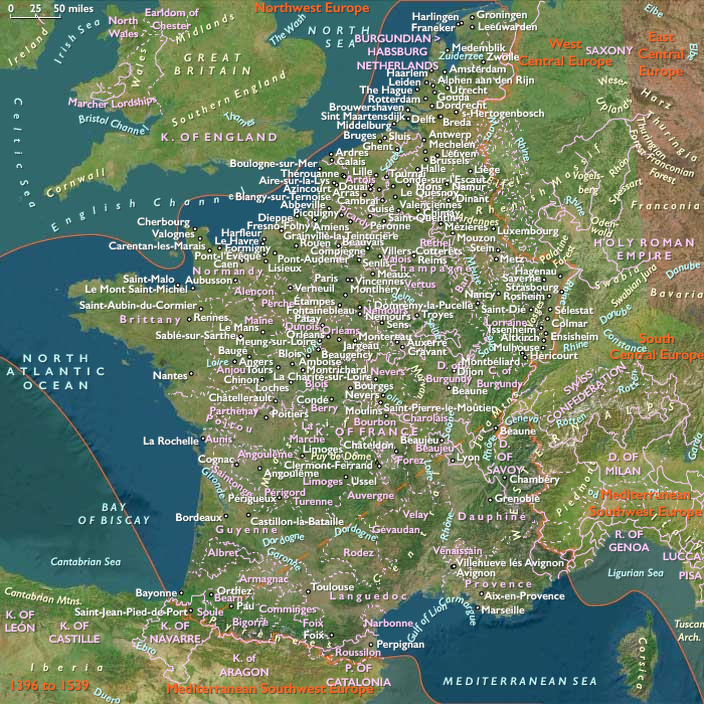
- The capture and destruction of Medemblik (1517), a key town in Holland.
- The siege of Middelburg Castle, a strategic stronghold in Zeeland.
- Numerous smaller victories using guerrilla warfare against Saxon, Danish, and Dutch occupiers.
Their most striking successes, however, have occurred at sea, where their forces sank twenty-eight ships belonging to Holland and Zeeland, earning Donia the moniker "Cross of the Dutchmen."
Initially, the Frisian rebels—collectively known as the Arumer Zwarte Hoop—received vital financial support from Charles of Egmond, claimant to the Duchy of Guelders, who opposes Habsburg rule. Charles has also contributed mercenary troops under the leadership of the ruthless Maarten van Rossum. However, by 1520, with shifting political tides and declining successes, Charles withdraws his support, leaving the Frisian rebels unable to sustain their mercenary forces.
The situation worsens when Donia, suffering from poor health, retires in 1519 and passes away in 1520, thrusting Jelckama into sole leadership of a rebel army numbering over four thousand men. Despite Jelckama’s determination and skill, the loss of external support, the depletion of resources, and the increasing pressure from powerful foreign enemies severely diminish the rebels' prospects for achieving lasting independence.
Jelckama’s leadership thus marks a critical turning point in the Frisian struggle: the movement, once formidable and feared, faces increasingly overwhelming odds, foreshadowing the eventual defeat and consolidation of foreign rule over Frisia.
People
Groups
Commodities
Subjects
Regions
West Europe
View →Subregions
