The Spanish Invasion of Portugal (December 1807)…
December 1807 CE
The Spanish Invasion of Portugal (December 1807) – A Belated and Largely Bloodless Occupation
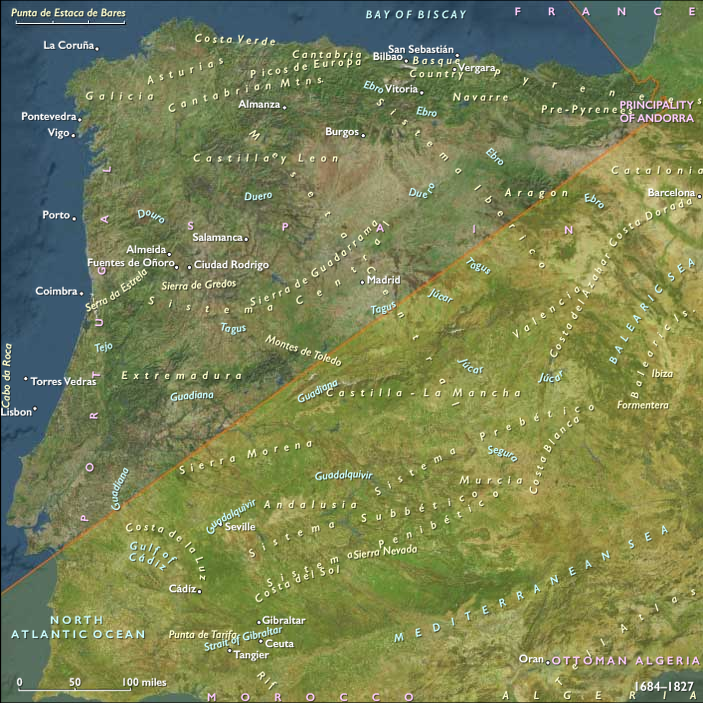
While General Jean-Andoche Junot’s French army entered Lisbon on November 30, 1807, Spanish forces, allied with Napoleon under the Treaty of Fontainebleau, launched a delayed invasion of Portugal from the north.
The Spanish Advance into Portugal
- On December 2, 1807, General Solano’s Spanish column finally crossed the border, advancing southward.
- On December 13, 1807, General Taranco occupied Porto, Portugal’s second-largest city, without resistance.
- Unlike Junot’s gruelling march, the Spanish forces faced almost no opposition, as Portugal’s government had already collapsed.
The Only Resistance – Valença’s Brief Defiance
- The only meaningful resistance came from the governor of Valença, who refused to open his gates to the Spanish northern column.
- He held out initially, unwilling to submit to foreign occupation.
- However, upon learning that Lisbon had fallen and Prince Regent João had fled to Brazil, he realized resistance was futile and surrendered.
Conclusion – An Easy but Hollow Victory
By mid-December 1807, all major Portuguese cities had fallen to French and Spanish forces, marking the completion of the initial occupation. However:
- The Portuguese royal family’s escape to Brazil ensured continued Portuguese sovereignty overseas.
- The French presence in Portugal soon led to tensions with Spain, ultimately triggering the Peninsular War (1808–1814).
- The Portuguese people, though initially passive, would later rise up against the occupation, aided by British intervention.
Though Spain’s invasion was bloodless, it was short-lived, as Napoleon’s betrayal of Spain in 1808 would soon plunge the entire Iberian Peninsula into open rebellion and war.
Locations
People
Groups
Topics
Subjects
Regions
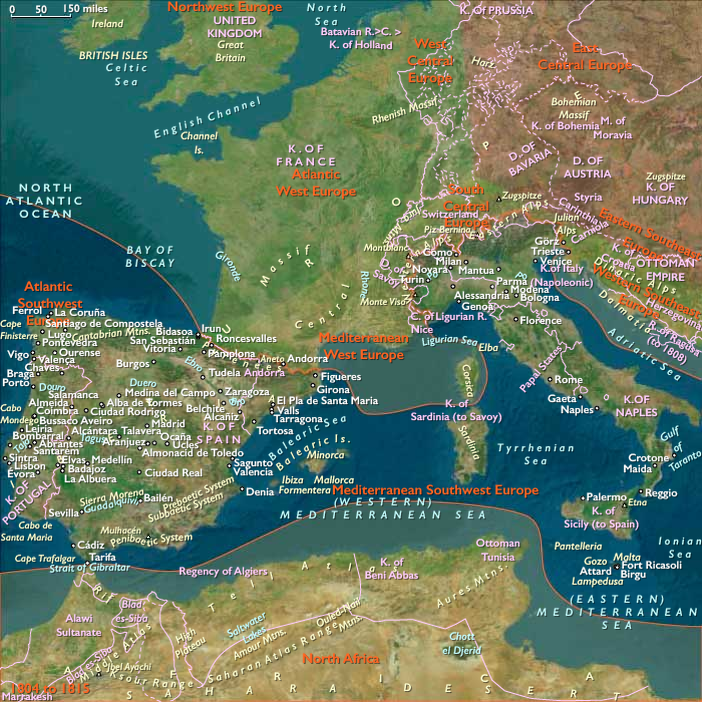
Southwest Europe
View →Subregions