George Brydges Rodney, 1st Baron Rodney
British naval officer
Years: 1718 - 1792
George Brydges Rodney, 1st Baron Rodney, KB (bap. February 13, 1718 – May 24, 1792) is a British naval officer.
He is best known for his commands in the American War of Independence, particularly his victory over the French at the Battle of the Saintes in 1782.
It is often claimed that he was the commander to have pioneered the tactic of "breaking the line".
Rodney comes from a distinguished but poor background, and goes to sea at the age of fourteen.
His first major action is the Second Battle of Cape Finisterre in 1747.
He makes a large amount of prize money during the 1740s, allowing him to purchase a large country estate and a seat in the House of Commons of Great Britain.
During the Seven Years' War, Rodney is involved in a number of amphibious operations such as the raids on Rochefort and Le Havre and the Siege of Louisbourg.
He becomes well known for his role in the capture of Martinique in 1762.
Following the Peace of Paris, Rodney's financial situation stagnates.
He spends large sums of money pursuing his political ambitions.
By 1774 he has run up large debts and is forced to flee Britain to avoid his creditors.
He is in a French jail when war is declared in 1778.
Thanks to a benefactor, Rodney is able to secure his release and return to Britain where he is appointed to a new command.
Rodney successfully relieves Gibraltar during the Great Siege and defeats a Spanish fleet during the 1780 Battle of Cape St. Vincent, known as the "Moonlight Battle" because it takes place at night.
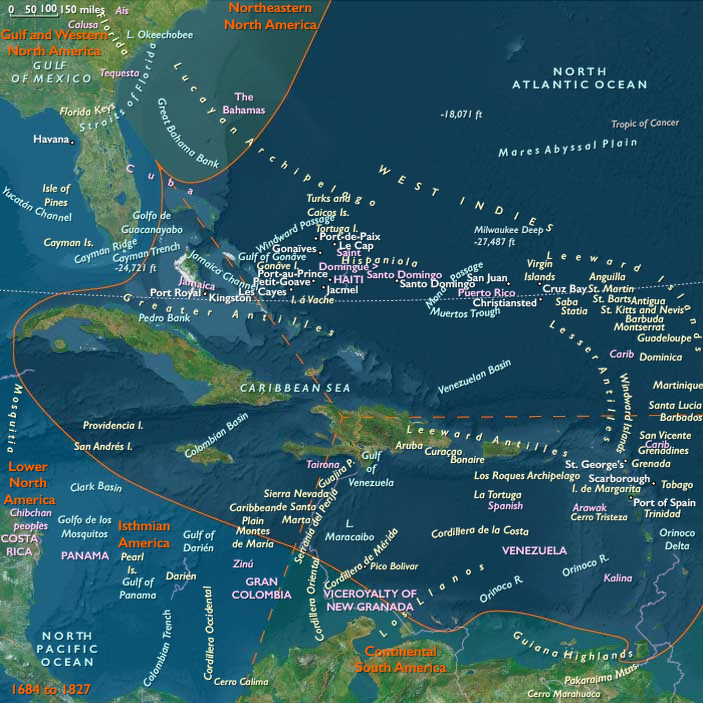
He then is posted to the Jamaica Station, where he becomes involved in the controversial 1781 capture of Sint Eustatius.
Later that year he briefly returns home suffering from ill health.
During his absence the British lose the crucial Battle of the Chesapeake, leading to the surrender at Yorktown.
To some Rodney is a controversial figure, accused of an obsession with prize money and nepotism.
This is brought to a head in the wake of his taking of Saint Eustatius, for which he is heavily criticized in Britain.
Orders for his recall had been sent when Rodney wins a decisive victory at the Battle of the Saintes in April 1782, ending the French threat to Jamaica.
On his return to Britain, Rodney is made a peer and was awarded an annual pension of £2,000.
He lives in retirement until his death in 1792.