The Atlantic Lands
Related Events
Showing 10 events out of 42 total
The Moderns are taller, more slender, and less muscular than the Neanderthals, with whom they share—perhaps uneasily—the Earth.
Though their brains are smaller in overall size, they are heavier in the forebrain, a difference that may allow for more abstract thought and the development of complex speech.
Yet, the inner world of the Neanderthals remains a mystery—no one knows the depths of their thoughts or how they truly expressed them.
The Emergence of Fiber Crafting and Early Textile Technology (c. 26,000 Years Ago)
By approximately 26,000 years ago, women across different regions had begun using natural fibers to create a variety of essential tools and garments, marking a significant advancement in prehistoric textile and tool-making technologies. This innovation not only enhanced daily life and survival strategies but also reflected the growing ingenuity and adaptability of early human societies.
Fiber Crafting and Its Applications
- Baby Carriers – Early humans likely fashioned fiber slings or wraps to carry infants, allowing for greater mobility while ensuring the care and safety of young children.
- Clothing – Fibers were woven or knotted into basic garments, complementing the use of animal hides for protection against harsh climates.
- Bags and Baskets – Crafted for gathering, storing, and transporting food and tools, these items indicate an increased reliance on plant-based resources.
- Nets and Cordage – Some of the earliest evidence of fishing and trapping technology comes from the creation of fiber nets, which allowed for more efficient food procurement.
Significance of Fiber Crafting
- Represented an early form of textile production, laying the foundation for later innovations in weaving and spinning.
- Allowed for greater economic and social organization, as fiber crafting likely became a specialized skill passed down through generations.
- Expanded the role of plant materials in human survival, alongside hunting and stone tool-making.
The ability to manipulate and utilize plant fibers for diverse purposes demonstrated the ingenuity of Upper Paleolithic societies, highlighting their technological advancements and evolving cultural complexity. These innovations in textile and tool-making would continue to shape human societies well into the Neolithic era and beyond.
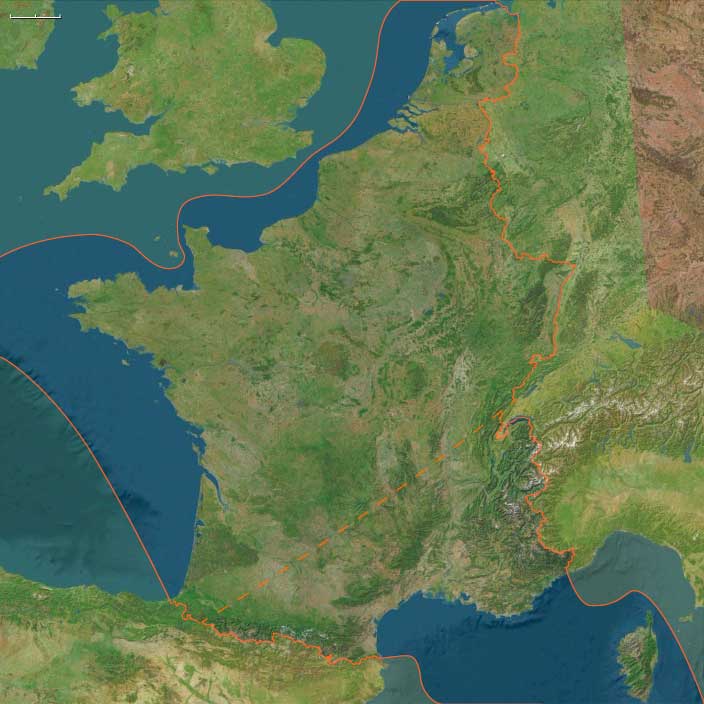
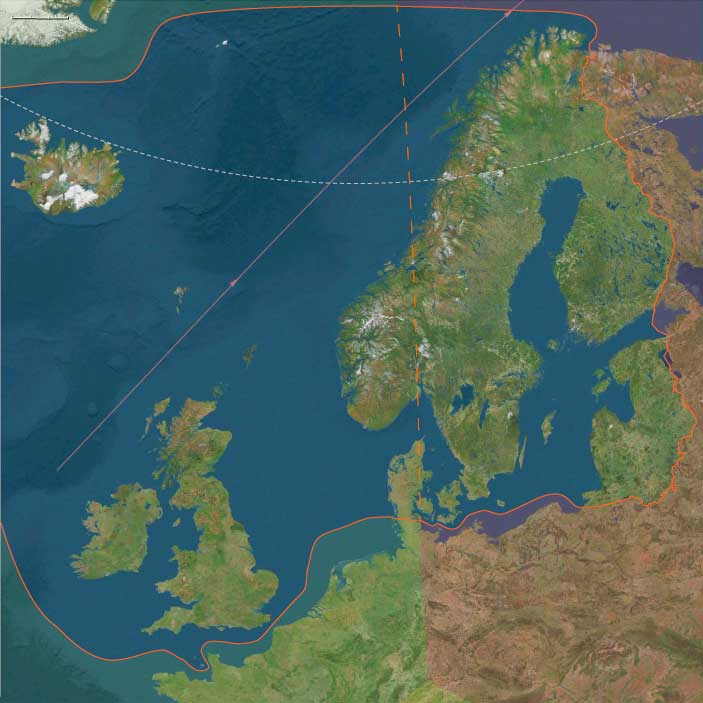
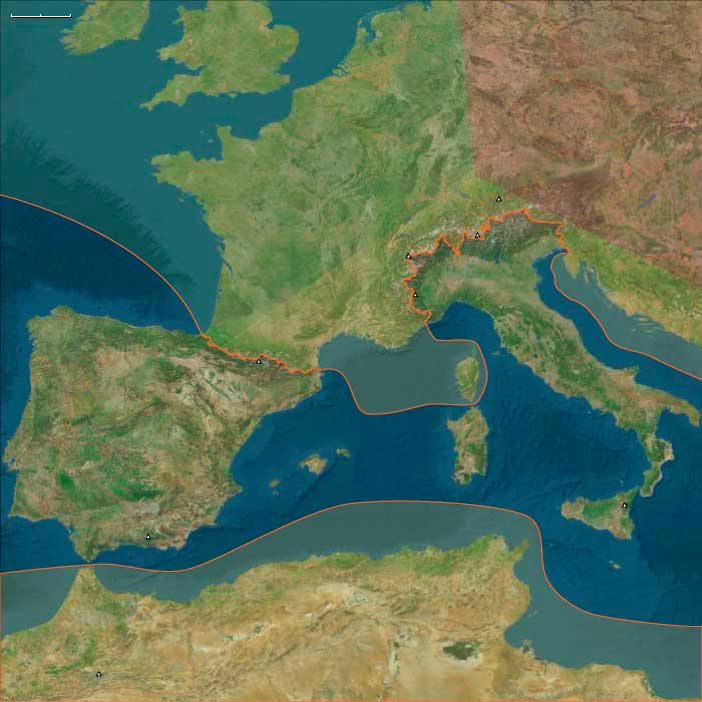
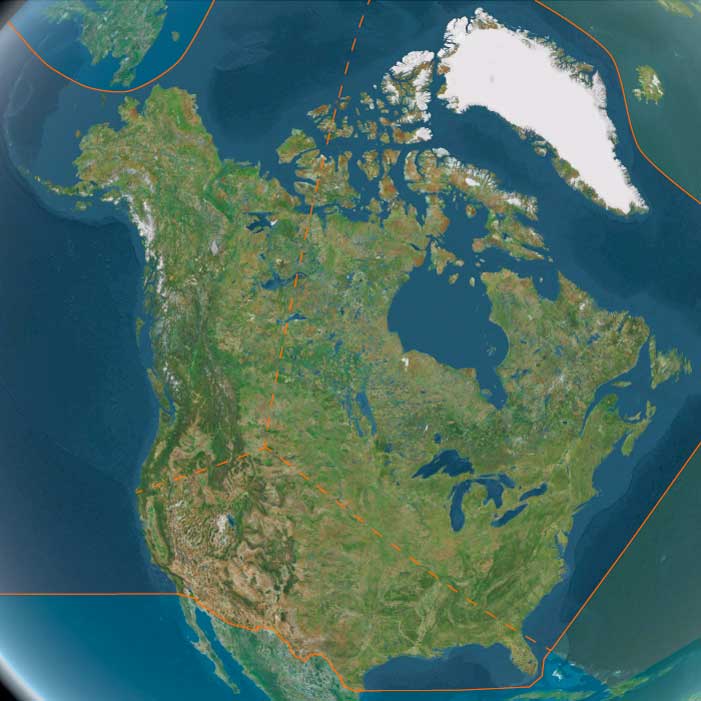
The Last Glacial Maximum (LGM) refers to the time of maximum extent of the ice sheets during the last glacial period, between twenty-six thousand five hundred and nineteen thousand to twenty thousand years ago.
The Younger Dryas will follow the Last Glacial Maximum.
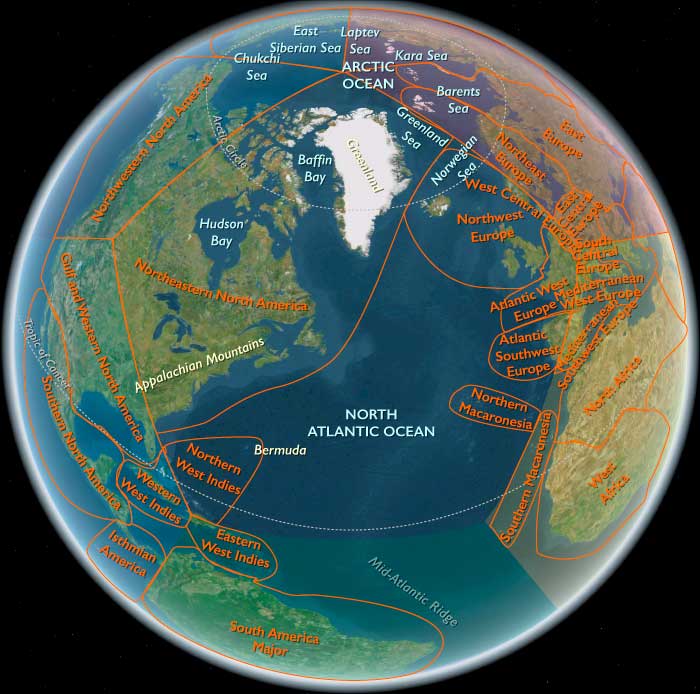
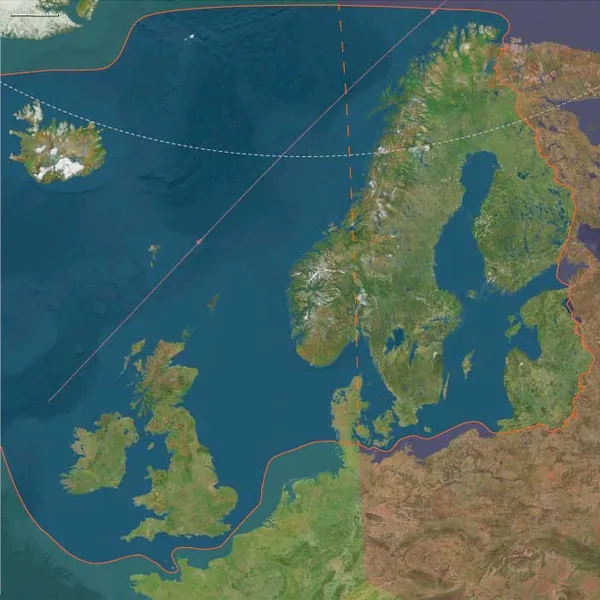
Ice sheets cover the whole of Iceland and all but the southern extremity of the British Isles.
This ice extends northward to cover Svalbard and Franz Josef Land and eastward to occupy the northern half of the West Siberian Plain, ending at the Taymyr Peninsula, and damming the Ob and Yenisei rivers forming a West Siberian Glacial Lake.
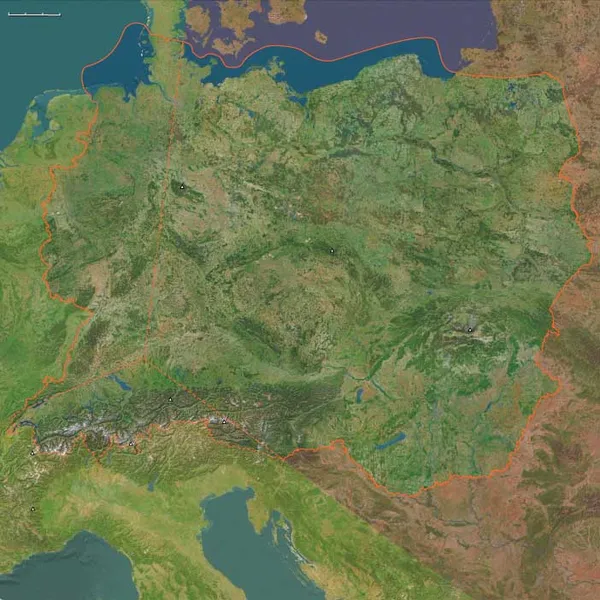
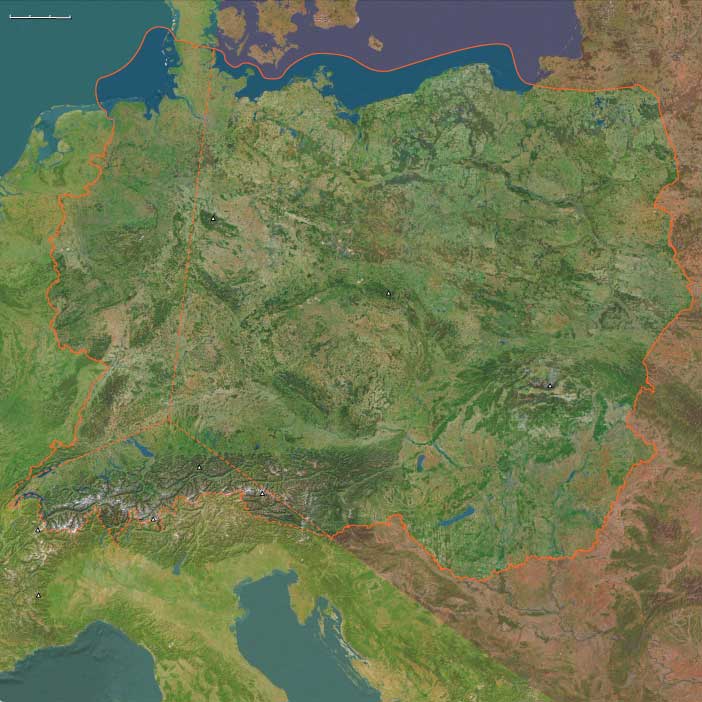
Northern Europe is largely covered, the southern boundary passing through Germany and Poland, but not quite joined to the British ice sheet.
Permafrost covers Europe south of the ice sheet down to present-day Szeged and Asia down to Beijing.
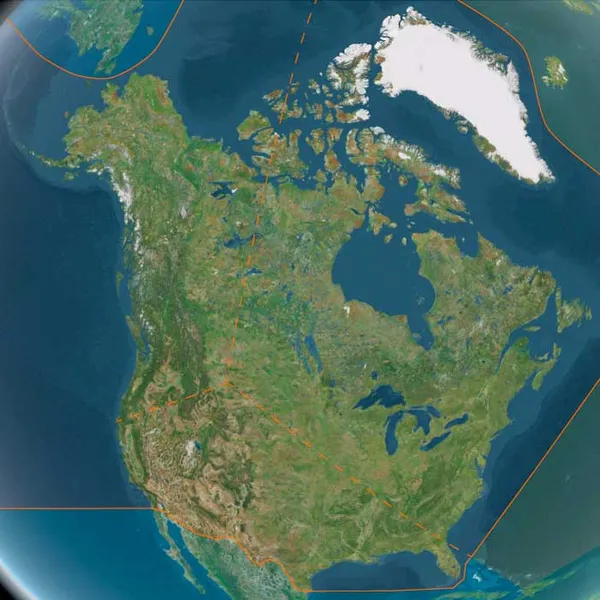
The ice covers essentially all of Canada and extends roughly to the Missouri and Ohio Rivers, and eastward to New York City.
Alpine glaciers advance in addition to the large Cordilleran Ice Sheet in Canada and Montana, covering much of the Rocky Mountains in the United States.
Latitudinal gradients in North America are so sharp that permafrost does not reach far south of the ice sheets except at high elevations.