George H. W. Bush
American politician and businessman who serves as the 41st president of the United States
Years: 1924 - 2018
George Herbert Walker Bush (June 12, 1924 – November 30, 2018) is an American politician and businessman who serves as the 41st president of the United States from 1989 to 1993.
A member of the Republican Party, Bush also serves in the U.S. House of Representatives, as U.S. Ambassador to the United Nations, as Director of Central Intelligence, and as the 43rd vice president.
Bush was raised in Greenwich, Connecticut and attended Phillips Academy before serving in the United States Navy during the Second World War.
After the war, he graduated from Yale University and moved to West Texas, where he established a successful oil company.
After an unsuccessful run for the United States Senate, he wins election to the 7th congressional district of Texas in 1966.
President Richard Nixon appoints Bush to the position of Ambassador to the United Nations in 1971 and to the position of chairman of the Republican National Committee in 1973.
n 1974, President Gerald Ford appoints him as the Chief of the Liaison Office to the People's Republic of China, and in 1976 Bush becomes the Director of Central Intelligence.
Bush runs for president in 1980, but is defeated in the Republican presidential primaries by Ronald Reagan.
He is elected vice president in 1980 and 1984 as Reagan's running mate.
In the 1988 presidential election, Bush defeats Democrat Michael Dukakis, becoming the first incumbent vice president to be elected president since Martin Van Buren in 1836.
Foreign policy drives the Bush presidency, as he navigates the final years of the Cold War and plays a key role in the reunification of Germany.
Bush presides over the invasion of Panama and the Gulf War, ending the Iraqi occupation of Kuwait in the latter conflict.
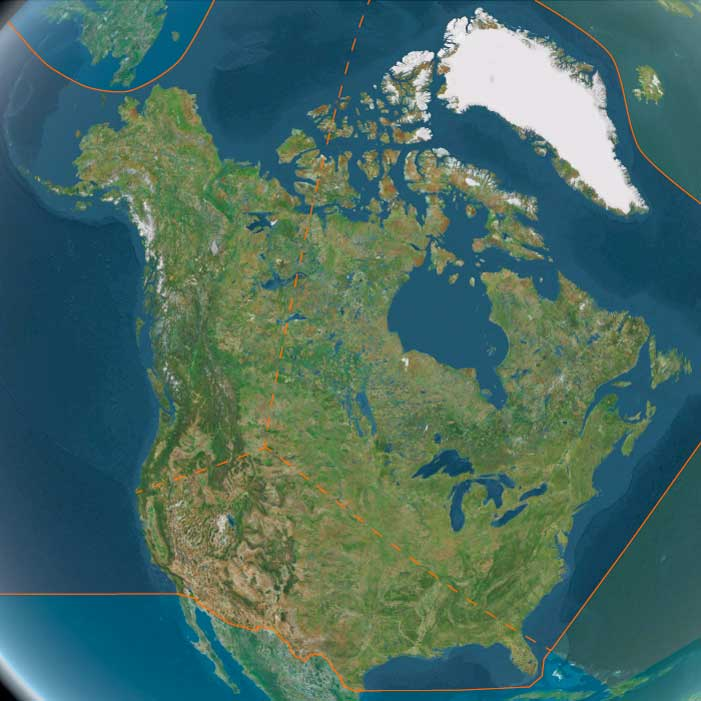
Though the agreement is not ratified until after he left office, Bush negotiates and signs the North American Free Trade Agreement (NAFTA), which creates a trade bloc consisting of the United States, Canada, and Mexico.
Domestically, Bush reneges on a 1988 campaign promise by signing a bill that increases taxes and helps reduce the federal budget deficit.
He also signs the Americans with Disabilities Act of 1990 and appoints David Souter and Clarence Thomas to the Supreme Court.
Bush loses the 1992 presidential election to Democrat Bill Clinton following an economic recession and the decreased emphasis of foreign policy in a post–Cold War political climate.
After leaving office in 1993, Bush is active in humanitarian activities, often working alongside Clinton, his former opponent.
With George W. Bush's victory in the 2000 presidential election, Bush and his son become the second father–son pair to serve as the nation's president, following John Adams and John Quincy Adams.
Another son, Jeb Bush, unsuccessfully seeks the Republican presidential nomination in the 2016 Republican primaries.
After a long battle with vascular Parkinson's disease, Bush dies at his home on November 30, 2018.
Historians generally rank Bush as an above average president.