Luis de Carabajal y Cueva, born in Mogadouro, Portugal, to Gaspar de Carabajal and Francisca de León, Jewish conversos, had at age eight gone with his family to Sahagún, in the Kingdom of León.
After his father died his tutor, Duarte de León, had sent him back to Portugal.
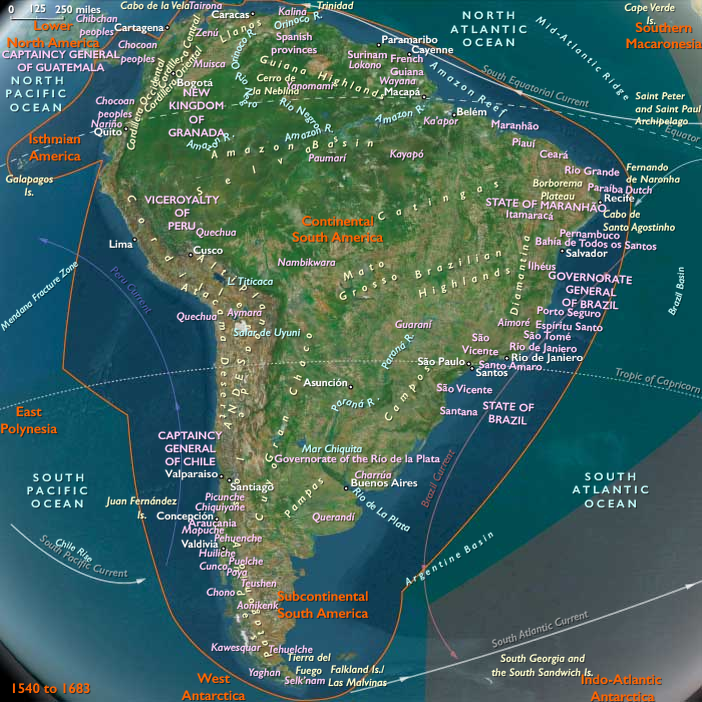
After spending thirteen years in Cape Verde, Africa, as a royal accountant in the slave trade, he had sailed to Seville and married Guiomar de Ribera, a lady from Lisbon whose father was also in the slave trade.
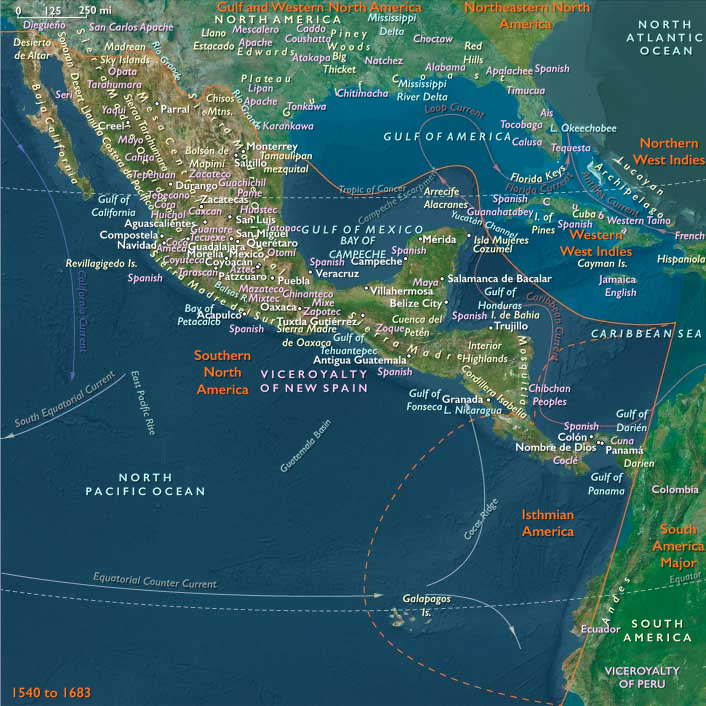
Motivated shortly thereafter by financial losses and marital problems, Carabajal had sailed for New Spain in his own ship as second in command of the Spanish Indies fleet.
Upon his arrival he had been appointed mayor of Tampico.
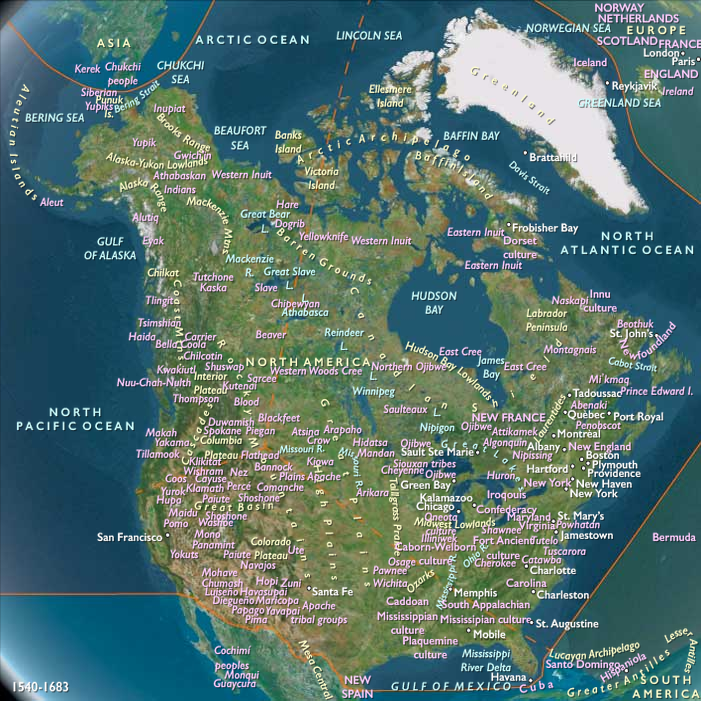
Mayor Carabajal had in the fall of 1568 rounded up seventy-seven Englishmen marooned on the Tamaulipas coast by John Hawkins, who had lost some of his ships in a fight with the Spanish fleet at Veracruz.
When this exploit was reported to Viceroy Martín Enríquez de Almanza, he was so impressed that he had commissioned Carabajal a captain, sending him to open a road between Pánuco province and the Mazapil mines.
Later he was sent to chastise hostile Indian bands at the mouth of the Río Bravo (Rio Grande).
He claimed to have punished the natives responsible for the massacre of four hundred castaways from three ships wrecked on the coast en route to Spain—presumably the Padre Island shipwrecks of 1554.
During the campaign, he had crossed the lower Rio Grande into what is now Texas, becoming the first Spanish subject to do so.
Accused of using his authority to trade in enslaved Indians, Carabajal had been summoned to Mexico City to defend himself.
He soon left there for Spain, where in March 1579 he had proposed to the Council of the Indies to develop all the ports from the Río Pánuco to Santa Elena on the Atlantic coast; to settle the area between Tampico and the mines of Mazapil and Zacatecas; and to extend exploration and settlement across Mexico "from sea to sea."
Phillip II, King of Spain, grants him the title of governor and captain-general with the mission to "discover, pacify and settle" a new province in New Spain to be called Nuevo Reyno de León, two hundred leagues inland from the port of Tampico.
Significantly, the charter allows the Blood Purity Laws (Pureza de Sangre), which stipulate that Spanish immigrants to the New World be at least three generations of Old Christian, to be lifted in an effort to encourage migration to this remote province beset by attacks by indigenous tribes.
This Northern Province will therefore become a target for migration by Iberian conversos, i.e., New Christians.