
Mariano Ignacio Prado
President of Peru
1825 CE to 1901 CE
Mariano Ignacio Prado Ochoa (December 18, 1825 – May 5, 1901) is a Peruvian army general who serves as the 27th (1865), 29th (1865 - 1868) and 32nd (1876 - 1879) President of Peru.
World
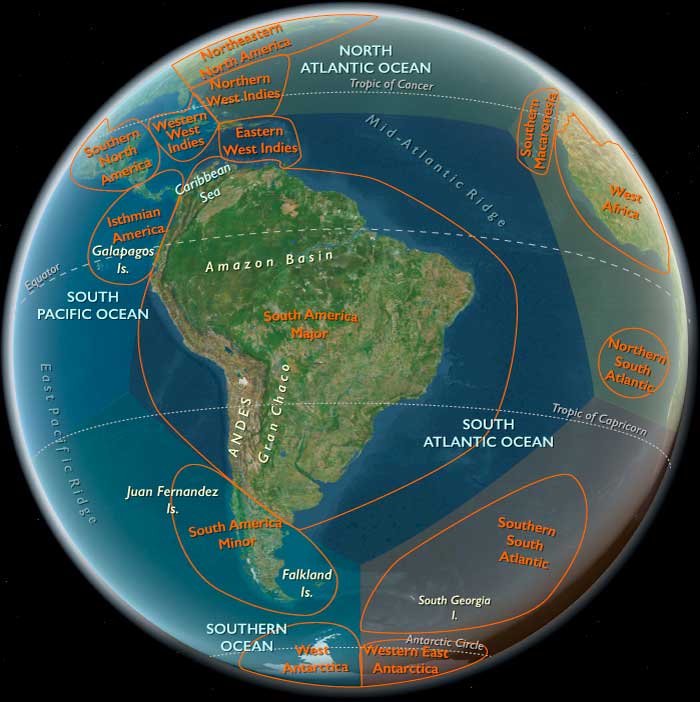
South America and The Eastern Isles
View →Related Events
Showing 3 events out of 3 total
The worldwide depression of 1873 had virtually sealed Peru's fate, and as Manuel Pardo's term draws to a close in 1876, the country is forced to default on its foreign debt.
With social and political turmoil once again on the rise, the Civilistas find it expedient to turn to a military figure, Mariano Ignacio Prado (1865-67, 1876-79), who had rallied the country against the Spanish naval attack in 1865, then served as president.
He is reelected president in 1876 only to lead the country into a disastrous war with its southern neighbor Chile in 1879.
Peru's war with Chile develops over the disputed, nitrate-rich Atacama Desert.
Neither Peru, nor its ally, Bolivia, in the regional balance of power against Chile, has been able to solidify its territorial claims in the desert, which leaves the rising power of Chile to assert its designs over the region.
Chile chooses to attack Bolivia after Bolivia breaks the Treaty of 1866 between the two countries by raising taxes on the export of nitrates from the region, mainly controlled by Chilean companies.
In response, Bolivia invokes its secret alliance with Peru, the Treaty of 1873, to go to war.
Peru is now obligated to enter a war for which it is woefully unprepared, particularly since the antimilitary Pardo government has sharply cut the defense budget.
With the perspective of hindsight, the outcome with Peru's more powerful and better organized foe to the south had been altogether predictable.
This is especially true after Peru's initial defeat in the naval Battle of Iquique Bay, where it loses one of its two iron-clad warships.
Five months later, it loses the other, allowing Chile to gain complete control of the sea lanes and thus to virtually dictate the pace of the war.
Although the Peruvians fight the superior Chilean expeditionary forces doggedly hereafter, resorting to guerrilla action in the Sierra after the fall of Lima in 1881, they are finally forced to conclude a peace settlement in 1883.
The Treaty of Ancon cedes to Chile in perpetuity the nitrate-rich province of Tarapaca and provides that the provinces of Tacna and Arica will remain in Chilean possession for ten years, when a plebiscite will be held to decide their final fate.
After repeated delays, both countries will finally agree in 1929, after outside mediation by the United States, to a compromise solution to the dispute by which Tacna will be returned to Peru and Chile will retain Arica.
For Peru, defeat and dismemberment by Chile in war brings to a final disastrous conclusion an era that had begun so auspiciously in the early 1840s with the initial promise of guano-led development.