
Publius Licinius Crassus
one of two sons of Marcus Licinius Crassus, the so-called "triumvir", and Tertulla, daughter of Marcus Terentius Varro Lucullus
86 BCE to 53 BCE
Publius Licinius Crassus (86 or 82 – 53 BC) was one of two sons of Marcus Licinius Crassus, the so-called "triumvir", and Tertulla, daughter of Marcus Terentius Varro Lucullus. He belonged to the last generation of Roman nobiles who came of age and began a political career before the collapse of the Republic. His peers included Marcus Antonius, Marcus Junius Brutus, Decimus Junius Brutus Albinus, the poet Gaius Valerius Catullus, and the historian Gaius Sallustius Crispus.
Publius Crassus served under Julius Caesar in Gaul from 58 to 56 BC. Too young to receive a formal commission from the senate, Publius distinguished himself as a commanding officer in campaigns among the Armorican nations (Brittany) and in Aquitania. He was highly regarded by Caesar and also by Cicero, who praised his speaking ability and good character. Upon his return to Rome, Publius married Cornelia Metella, the intellectually gifted daughter of Metellus Scipio, and began his active political career as a triumvir monetalis and by providing a security force during his father's campaign for a second consulship.
Publius's promising career was cut short when he died along with his father in an ill-conceived[3] war against the Parthian Empire. Cornelia, with whom he probably had no children, then married the much older Pompeius Magnus ("Pompey the Great").
World
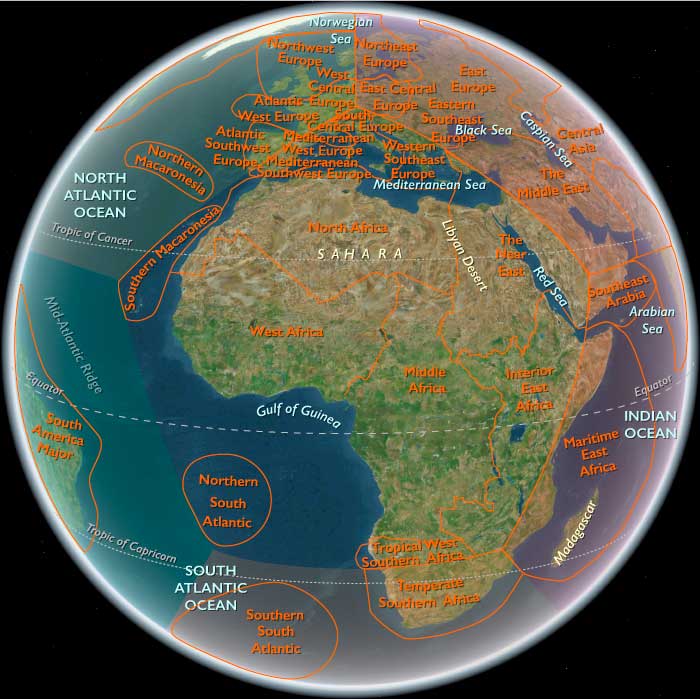
The Middle of The Earth
View →Related Events
Showing 1 events out of 1 total
The Middle East: 57–46 BCE
The Parthian Conflict and Roman Setbacks
The era from 57 to 46 BCE marks a critical period in Roman-Parthian relations, characterized by ambitious Roman expansion attempts and significant military setbacks. In 53 BCE, the Roman general Marcus Licinius Crassus, a member of the influential First Triumvirate alongside Julius Caesar and Pompey, leads a major invasion into Mesopotamia, aiming to extend Roman dominance into Parthian territories.
Crassus's campaign ends in disaster at the Battle of Carrhae, where he and his son Publius suffer devastating defeat and death at the hands of Parthian forces under General Surena. This catastrophic Roman loss is considered the worst since the famed Battle of Cannae during the Punic Wars, dramatically altering the political dynamics within Rome itself.
Crassus’s defeat directly contributes to the collapse of the First Triumvirate, exacerbating tensions that eventually ignite the civil wars between Julius Caesar and Pompey. Exploiting Roman vulnerability, the Parthians launch a series of raids into Syria the following year (52 BCE), capitalizing on the confusion and diminished Roman military presence.
In 51 BCE, the Parthians escalate their aggression with a major invasion of Syria, but this advance is effectively halted when Roman forces ambush and decisively defeat them near Antigonea. The Romans, rallying after the humiliation at Carrhae, manage to drive back the Parthians and temporarily secure the volatile frontier.
Thus, this era (57–46 BCE) encapsulates a pivotal moment of Roman vulnerability in the Near East, demonstrating both the limits of Roman power against the formidable Parthian Empire and setting the stage for prolonged future confrontations between these two great ancient powers.