
Vicente Rocafuerte
2nd President of Ecuador
1783 CE to 1847 CE
Vicente Rocafuerte y Bejarano (May 1, 1783 – May 16, 1847) is an influential figure in Ecuadorian politics and President of Ecuador from September 10, 1834 to January 31, 1839.
World
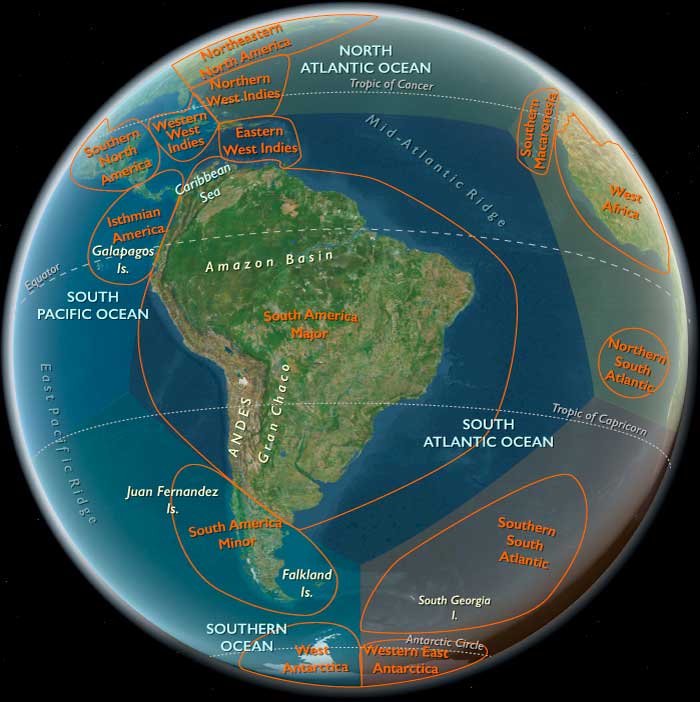
South America and The Eastern Isles
View →Related Events
Showing 3 events out of 3 total
Although not directly responsible for the killings, Flores inevitably becomes associated with them, and criticism of his regime grows.
In 1834 opponents stage a rebellion in an effort to place José Vicente Rocafuerte y Rodriguez de Bejarano, a member of the Guayaquil aristocracy who had recently returned from fourteen years abroad, into the presidency.
The rebels' effort fails; Flores now co-opts his opponent and sponsors Rocafuerte as a presidential candidate.
For four years following this Machiavellian political move—in effect the nation's first coup d'etat—Flores continues to wield considerable power from behind the scenes as commander of the military.
Although he had previously condemned Flores's violations of civil liberties, Rocafuerte argues that "the backwardness of Ecuador makes enlightened despotism necessary."
At the end of his term in 1839, Rocafuerte returns to his native Guayaquil as provincial governor, while in Quito Flores is again inaugurated into the presidency.
Flores summons a constitutional convention that writes a new constitution, dubbed "the Charter of Slavery" by his opponents, and elects him to a new eight-year term of office.
Opposition to Ecuador's president Juan José Flores often manifests itself in unpleasant ways after 1843: in reference to the dark skin of Flores and his fellow Venezuelan and Colombian soldiers, Rocafuerte (by now exiled in Lima) writes that "the white oppressors of the peninsula were less oppressive than the Negro vandals who have replaced them."
A young student named Gabriel García Moreno—later to become the most infamous of all of Ecuador's nineteenth-century dictators—tries unsuccessfully to assassinate Flores.
Discontent has become nationwide by 1845, when an insurrection in Guayaquil forces Flores from the country.
Because their movement triumphs in March (Marzo), the anti-Flores coalition members become known as marcistas.
They are an extremely heterogeneous lot that includes liberal intellectuals, conservative clergymen, and representatives from Guayaquil's successful business community.