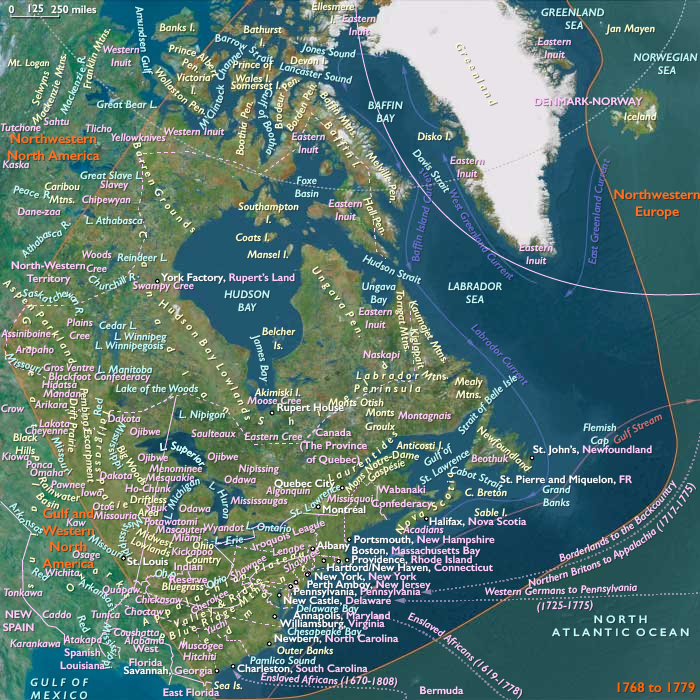
Upriver from Montreal are a series of…
May 1776 CE
As spring approached, bands of Cayuga, Seneca, and Mississauga warriors had begun to gather at Oswegatchie, one of these garrisons, giving the commander there, Captain George Forster, a force with which to cause trouble for the Americans.
Forster had recruited them on the recommendation of a Loyalist who had escaped from Montreal.
Furthermore, while General Wooster, much to the annoyance of both Patriot and Loyalist merchants, had refused to permit trade with the natives upriver out of fear that supplies sent in that direction would be used by the British forces there, the congressional delegation had reversed his decision and supplies began flowing out of the city up the river.
In order to prevent the flow of supplies to the British forces upriver, and in response to rumors of natives gathering, Moses Hazen had detached Colonel Timothy Bedel and thee hundred and ninety men to a position forty miles (sixty-four kilometers) upriver at Les Cèdres (English: The Cedars), where they had built a stockaded defense works.
Colonel Forster, made aware of these movements by native spies and Loyalists, on May 15 had begun to move downriver with a mixed force of about two hundred and fifty natives, militia, and regulars.
In an odd series of encounters known as the Battle of The Cedars, Bedel's lieutenant Isaac Butterfield had surrendered this entire force without a fight on the eighteenth, and another hundred men brought as reinforcements also surrender after a brief skirmish on the 19th.
Locations
Groups
Mississaugas (Amerind tribe)
View →
Seneca (Amerind tribe)
View →
Cayuga people(Amerind tribe)
View →
Thirteen Colonies, The
View →
New York, Province of (English Colony)
View →
British people
View →
Britain, Kingdom of Great
View →
Quebec (British Province)
View →
Patriots (American Revolution)
View →
Loyalists (American Revolution)
View →
Americans
View →
Topics
Regions
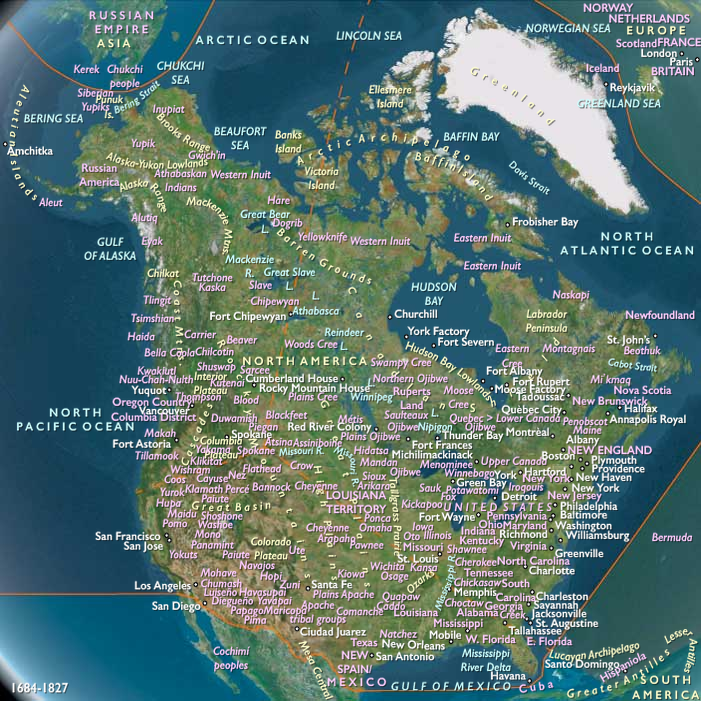
Northern North America
View →Subregions