
Event
The Mediterranean and Asian trade routes under…
The Mediterranean and Asian trade routes under the Ottoman Empire meet in Bulgaria.
Fairs and regional markets eventually bring tradesmen into contact with their foreign counterparts.
After centuries of exclusion from population centers by Turkish policy, Bulgarians begin migrating back to the towns, establishing an urban ethnic presence.
By the eighteenth century, trade guilds include many workers in cloth, metal, wood, and decorative braid.
The estate holders of Macedonia also profit from growing European cotton markets.
Some Bulgarian merchants assume positions as intermediaries between Turkish and European markets, grow rich from such connections, and establish offices in the major European capitals.
As the Bulgarian cultural revival spreads from the monasteries into secular society, these newly wealthy groups promote secular art, architecture, literature, and Western ideals of individual freedom and national consciousness.
Of particular impact are the ideals of the French Revolution, introduced through commercial connections at the start of the nineteenth century.
-
{# Image navigates to the detail page; the magnifying-glass chip is the only Fancybox lightbox trigger (kept a separate sibling — anchors can't nest). #}
 The Great Crossroads
World
-
{# Image navigates to the detail page; the magnifying-glass chip is the only Fancybox lightbox trigger (kept a separate sibling — anchors can't nest). #}
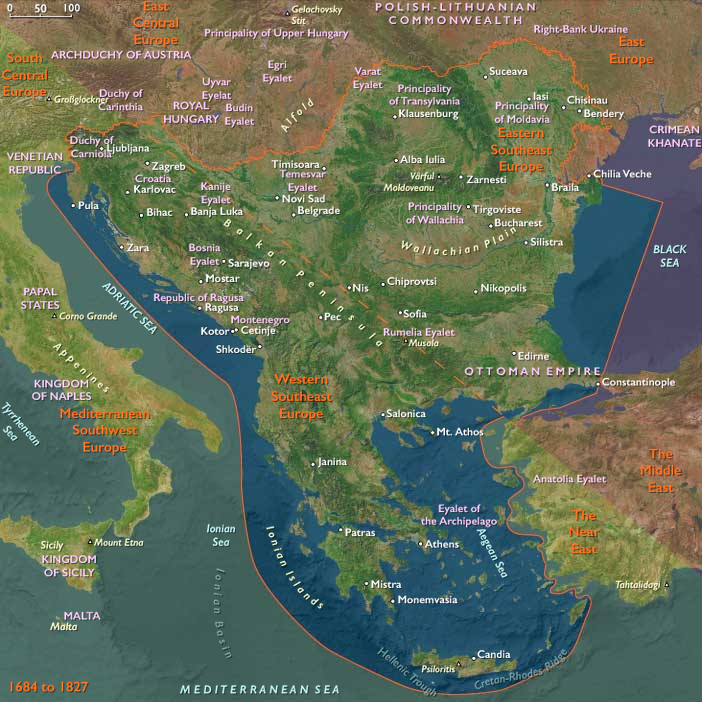 Southeast Europe
Region
-
{# Image navigates to the detail page; the magnifying-glass chip is the only Fancybox lightbox trigger (kept a separate sibling — anchors can't nest). #}
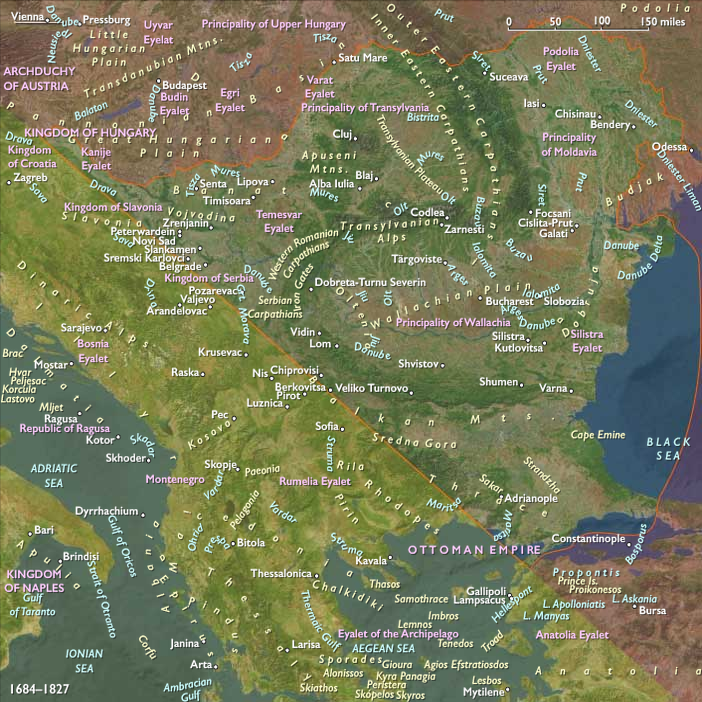 Eastern Southeast Europe
Subregion
