
The Red River Colony is founded in…
1811 CE
Growing up in Scotland in the wake of the Jacobite rising of 1745, Lord Selkirk was constantly troubled by the plight of his Scottish kin.
Influenced by humanitarian luminaries such as William Wilberforce and, following the forced displacement of Scottish farmers that took place during the Highland Clearances, he had decided that emigration was the only viable option to improve the livelihood of the Scottish people.
Upon inheriting his father's title in 1799, Selkirk had focused the majority of his time and resources on establishing a Scottish colony in North America.
Selkirk became interested in the Red River region after reading Alexander MacKenzie's Voyages in 1801; however, Selkirk was prevented from settling the region in 1802 when the Hudson's Bay Company raised concerns that the proposed colony would interfere with the running of the company.
During the first decade of the nineteenth century Selkirk had established two unsuccessful agricultural colonies in British North America but hads continued to pursue the settlement of the Red River region.
By 1807 Selkirk acknowledged that an alliance with either the Hudson's Bay or North West Company, the dominant fur trading companies at the time, was essential to the establishment of a colony at Red River.
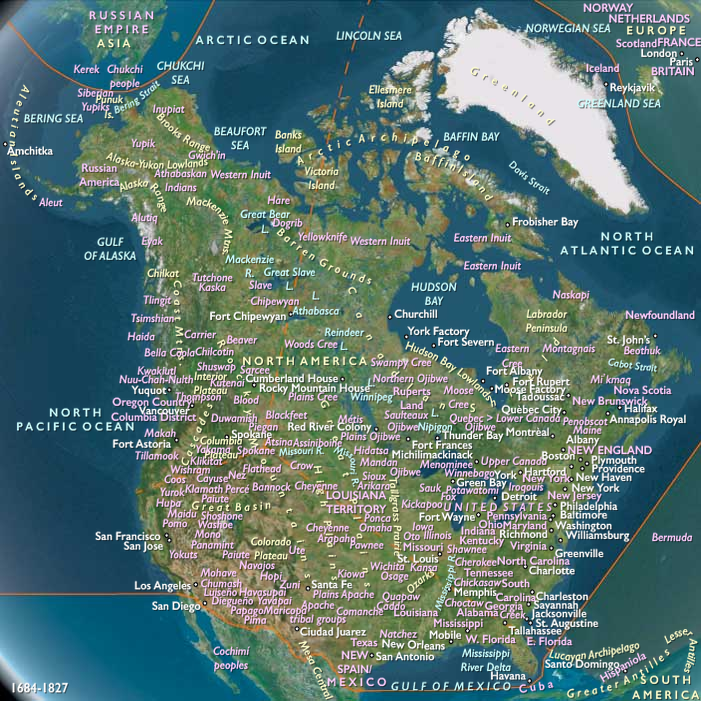
By 1811 the Hudson's Bay Company has reconsidered Selkirk's proposal and granted Selkirk three hundred thousand square kilometers (one hundred and sixteen thousand square miles), an area five times the size of Scotland, to establish an agricultural settlement in the region of Red River.
Supplies of "produce, such as flour, beef, pork and butter..." will be affordable to manufacture in this colony, and will reduce the costly shipments from Britain.
The grant is also pending the annual provision of two hundred men to the company and Selkirk's assurance that the colony will remain out of the fur trade.
Selkirk, who once mocked the fur trade for rarely grossing more than two hundred thousand pounds and only having three ships employed in its service, gladly agreed to the terms.
Selkirk refers to this new territory as the District of Assiniboia.
At the time of the concession, Red River is the only Hudson Bay Colony that has been established within the company's six hundred and ten thousand-hectare (one and a half million-acres) territory.
There is continuing debate as to whether Selkirk forced the concession of Assiniboia through a controlling interest of Hudson's Bay stock.
Historian will argue in defense of Selkirk that, although he did buy a considerable number of Hudson's Bay shares between 1811 and 1812, Selkirk received his initial grant in 1811.
Locations
Groups
Commodities
Regions
Northern North America
View →Subregions
