Event
The several hundred Huguenot refugees, all of…
The several hundred Huguenot refugees, all of whom had soon assimilated Dutch culture and language, grow large crops of wheat as well as other grains for sale to the VOC, although they find such crops barely profitable.
They also planted grapevines, so that they could make wine and brandy—products much in demand for Dutch sailors and capable of being exported to Europe, unlike other, perishable items.
They had introduced viticulture to southern Africa when they settled Paarl, east of Cape Town, on the Groot-Berg River between the Paarl Mountain and the Drakenstein Range. (South Africa will continue to be known into the twenty-first century for high quality wine.)
The mainstay of most settlers, however, is livestock farming, which requires large areas of pasture-
land because the soil is generally poor.
Pressures for land in and around the Cape peninsula have become intense by the end of the seventeenth century.
There are approximately fifteen hundred Europeans in the Cape settlement and a slightly larger number of enslaved people, and the area of settlement has extended well beyond the original
base at Table Bay to include freehold farms reaching sixty kilometers inland.
-
{# Image navigates to the detail page; the magnifying-glass chip is the only Fancybox lightbox trigger (kept a separate sibling — anchors can't nest). #}
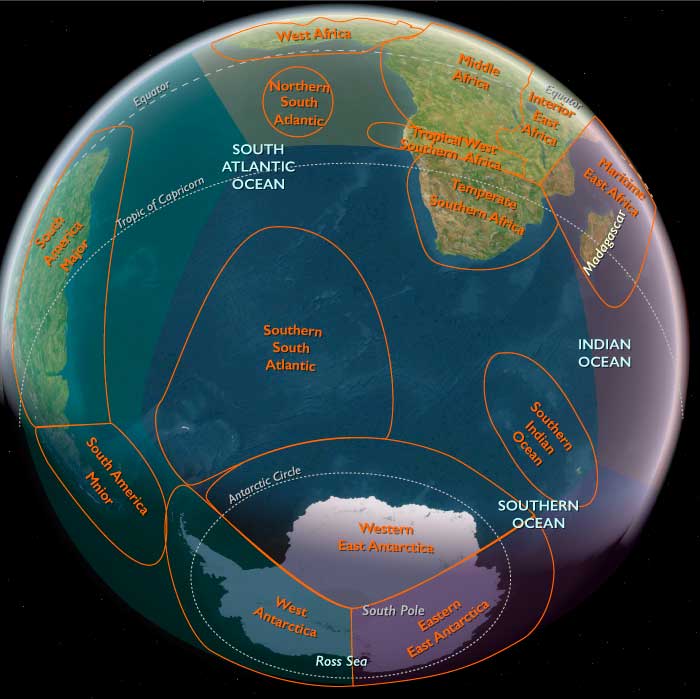
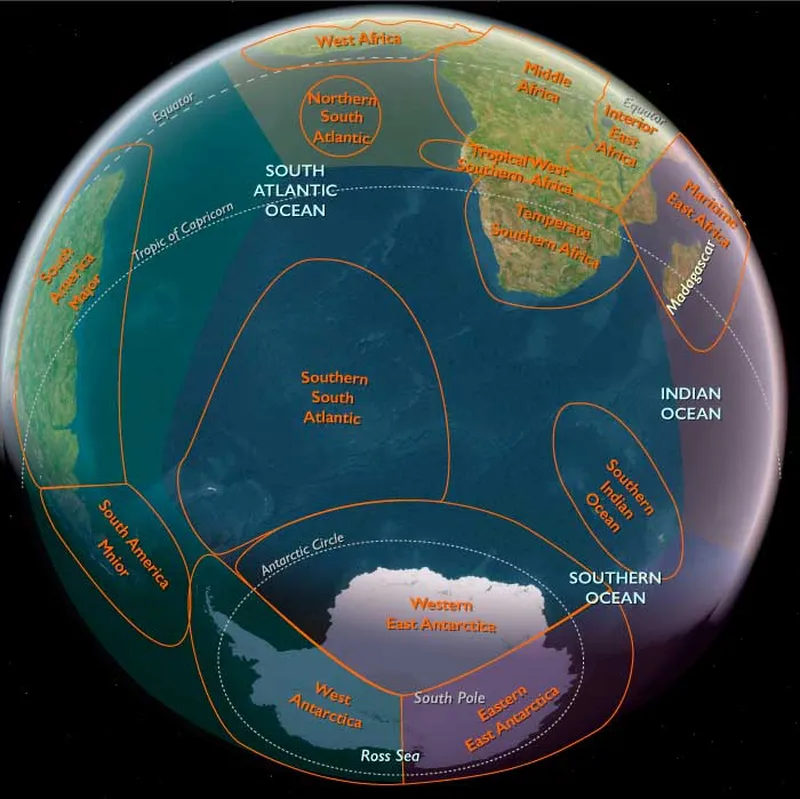 The African South
World
-
{# Image navigates to the detail page; the magnifying-glass chip is the only Fancybox lightbox trigger (kept a separate sibling — anchors can't nest). #}
 Southern Africa
Region
-
{# Image navigates to the detail page; the magnifying-glass chip is the only Fancybox lightbox trigger (kept a separate sibling — anchors can't nest). #}
 Temperate Southern Africa
Subregion