
Atlantic Southwest Europe (1744–1755): Enlightenment Influences, Economic …
Years: 1744 - 1755
Atlantic Southwest Europe (1744–1755): Enlightenment Influences, Economic Expansion, and Catastrophic Disaster
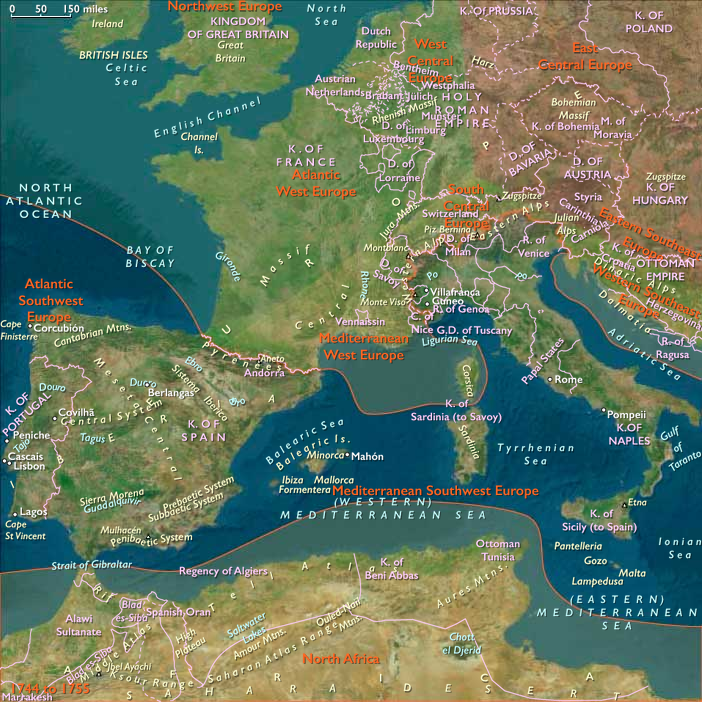
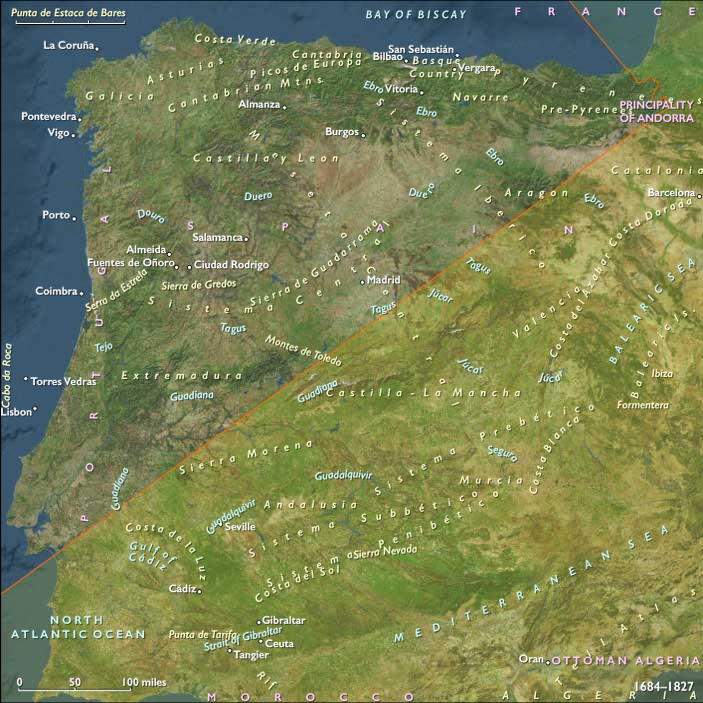
Between 1744 and 1755, Atlantic Southwest Europe—including northern and central Portugal (with Lisbon), Galicia, Asturias, Cantabria, northern León and Castile, northern Navarre, northern Rioja, and the Basque Country—witnessed significant economic growth, intellectual vitality influenced by Enlightenment ideals, and increased commercial prosperity driven by maritime trade. However, this flourishing era ended abruptly with the catastrophic Lisbon Earthquake of 1755, profoundly reshaping the region’s political, economic, cultural, and social trajectory.
Political and Military Developments
Portuguese Governance and Enlightenment Reform
-
Portugal under King João V (r.1706–1750) and his successor, José I (r.1750–1777), experienced political stability with emerging Enlightenment-inspired reforms. José I's influential minister, Sebastião José de Carvalho e Melo (later Marquis of Pombal), promoted modernization and administrative centralization.
-
Northern Portugal, particularly Porto, benefited from improved governance, infrastructural enhancements, and supportive commercial policies.
Regional Stability in Northern Spain
-
In Spain under King Ferdinand VI (r.1746–1759), northern provinces—including Galicia, Asturias, Cantabria, and the Basque Country—experienced political stability and economic expansion. Local privileges (fueros) continued to underpin strong regional autonomy, providing robust governance and economic benefits.
-
Northern Navarre and the Basque provinces remained politically stable, leveraging local autonomy and economic self-governance to enhance regional prosperity.
Economic Developments: Maritime Prosperity and Trade Growth
Portuguese Maritime Trade Expansion
-
Northern and central Portugal’s maritime economy, centered on Lisbon and Porto, prospered with expanded transatlantic trade, particularly to Brazil. Port wine exports from the Douro region surged, bolstering Porto’s economy and enhancing Lisbon’s international stature as a trading hub.
-
Shipbuilding and fisheries thrived along Portugal’s Atlantic coast, significantly contributing to urban prosperity and expanding merchant classes.
Basque and Cantabrian Commercial Strength
-
The Basque Country, notably Bilbao, emerged as a critical European commercial center, excelling in iron production, shipbuilding, and transatlantic trade.
-
Cantabria, particularly Santander, continued to grow economically, leveraging Atlantic trade routes, maritime industry, and fishing to foster regional prosperity.
Religious and Cultural Developments
Enlightenment and Baroque Cultural Fusion
-
The Enlightenment influenced cultural institutions, fostering intellectual debates and advancements in education, notably at the University of Coimbra in Portugal and in Spanish institutions such as those in Bilbao and Santander.
-
Baroque artistic expression continued to flourish, particularly in architecture, with impressive developments in Lisbon, Porto, Braga, Santiago de Compostela, and Pamplona.
Social and Urban Developments
Urban Expansion and Merchant Class Growth
-
Lisbon, Porto, Bilbao, and Santander saw significant urban growth, fueled by maritime commerce and expanding merchant wealth. Urban infrastructure improved markedly, with public works enhancing civic life.
-
Regional autonomy under fueros strengthened the social cohesion of communities in northern Spanish provinces, emphasizing distinct cultural and political identities.
The Lisbon Earthquake of 1755: Catastrophe and Consequences
On November 1, 1755, Lisbon experienced a catastrophic earthquake—one of Europe's most devastating natural disasters. The quake destroyed vast portions of Lisbon, followed by destructive fires and a massive tsunami that devastated coastal areas. An estimated 40,000 to 50,000 lives were lost in Lisbon alone, with destruction also affecting coastal communities across Portugal, including Cascais, Setúbal, and regions as far north as Porto and Galicia in northwest Spain.
-
Immediate Response and Crisis Management: Minister Sebastião José de Carvalho e Melo swiftly directed emergency responses, organizing relief, controlling disorder, and initiating rapid urban reconstruction. His effective handling greatly increased his political authority, allowing extensive reforms and modernization projects in subsequent years.
-
Regional Impact: Porto, while spared catastrophic damage, faced economic disruptions from interrupted trade and damaged maritime infrastructure. Galicia and other northern coastal regions experienced milder effects but endured temporary trade setbacks due to maritime disruptions.
-
Cultural and Intellectual Effects: The disaster profoundly impacted European intellectual life, prompting debates about divine providence, philosophical skepticism, and human reason. Enlightenment thinkers such as Voltaire and Kant commented extensively on the earthquake’s moral and philosophical implications.
Legacy and Significance
The period 1744–1755 dramatically transformed Atlantic Southwest Europe. Initially marked by stability, economic expansion, and cultural vitality, the era abruptly ended with the 1755 Lisbon earthquake, reshaping political authority in Portugal and sparking profound intellectual reflections across Europe. The catastrophe accelerated administrative centralization, economic modernization, and urban planning innovations, leaving a lasting imprint on the region’s historical trajectory.
People
- Ferdinand VI of Spain
- John V of Portugal
- José I of Portugal
- Sebastião José de Carvalho e Melo, 1st Marquis of Pombal
Groups
- Portuguese people
- Basque people
- Christians, Roman Catholic
- Galicians
- Asturias, Principality of
- Portuguese Empire
- Ottoman Empire
- Portuguese Gold Coast
- Inquisition, Spanish
- Christians, New
- Marranos
- Portuguese Mozambique
- Portuguese Malacca
- Spain, Habsburg Kingdom of
- Spaniards (Latins)
- Protestantism
- Inquisition, Portuguese
- Brazil, Colonial
- Spain, Habsburg Kingdom of
- Portugal, Bragança Kingdom of
- England, (Orange and Stewart) Kingdom of
- England, (Stuart) Kingdom of
- Britain, Kingdom of Great
Topics
- Colonization of the Americas, Portuguese
- Colonization of the Americas, Spanish
- Colonization of Asia, Spanish
- Colonization of Asia, Portuguese
- 1755 Lisbon earthquake
Commodoties
- Domestic animals
- Grains and produce
- Fibers
- Textiles
- Strategic metals
- Sweeteners
- Beer, wine, and spirits
- Manufactured goods
- Spices
Subjects
Regions
Subregions
Related Events
Showing 10 events out of 27239 total
Years: 1744 - 1755
People
- Ferdinand VI of Spain
- John V of Portugal
- José I of Portugal
- Sebastião José de Carvalho e Melo, 1st Marquis of Pombal
Groups
- Portuguese people
- Basque people
- Christians, Roman Catholic
- Galicians
- Asturias, Principality of
- Portuguese Empire
- Ottoman Empire
- Portuguese Gold Coast
- Inquisition, Spanish
- Christians, New
- Marranos
- Portuguese Mozambique
- Portuguese Malacca
- Spain, Habsburg Kingdom of
- Spaniards (Latins)
- Protestantism
- Inquisition, Portuguese
- Brazil, Colonial
- Spain, Habsburg Kingdom of
- Portugal, Bragança Kingdom of
- England, (Orange and Stewart) Kingdom of
- England, (Stuart) Kingdom of
- Britain, Kingdom of Great
Topics
- Colonization of the Americas, Portuguese
- Colonization of the Americas, Spanish
- Colonization of Asia, Spanish
- Colonization of Asia, Portuguese
- 1755 Lisbon earthquake
Commodoties
- Domestic animals
- Grains and produce
- Fibers
- Textiles
- Strategic metals
- Sweeteners
- Beer, wine, and spirits
- Manufactured goods
- Spices
Subjects
Regions
Subregions