
Atlantic Southwest Europe (220–231 CE): Civic Consolidation, …
Years: 220 - 231
Atlantic Southwest Europe (220–231 CE): Civic Consolidation, Continued Prosperity, and Cultural Adaptation under the Later Severans
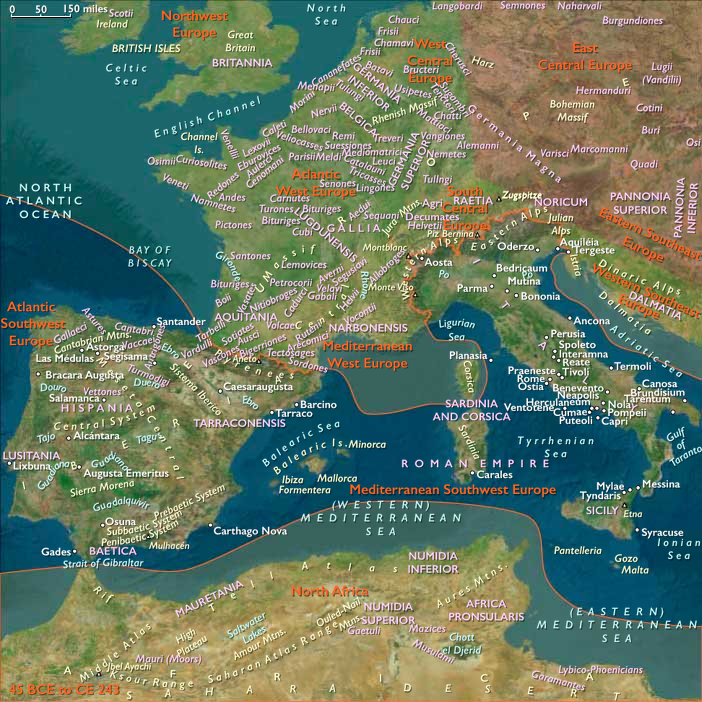
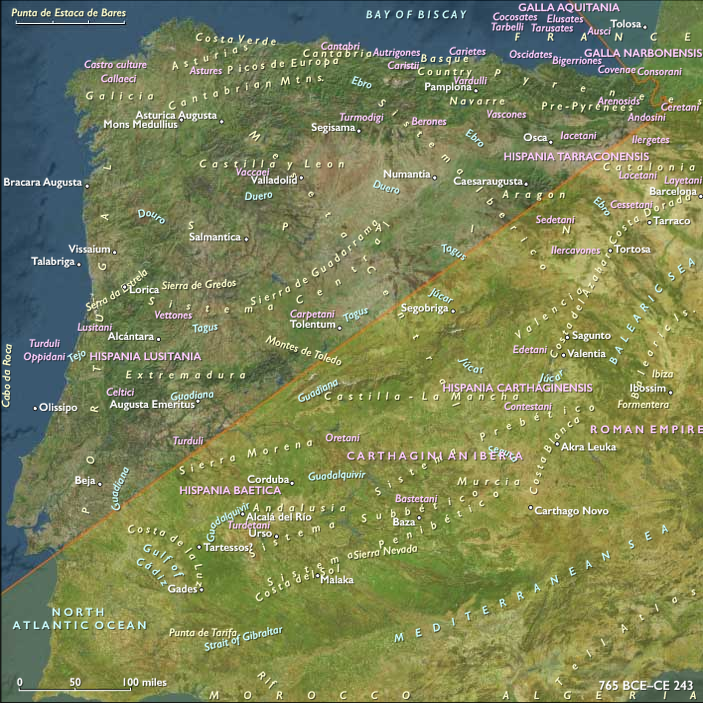
Between 220 and 231 CE, Atlantic Southwest Europe—including northern and central Portugal, Galicia, Asturias, Cantabria, and northern Spain south of the Franco-Spanish border (43.05548° N, 1.22924° W)—continued to experience relative provincial stability, economic resilience, and cultural adaptation during the turbulent reigns of Emperors Elagabalus (218–222 CE) and Severus Alexander (222–235 CE). Although imperial Rome faced growing internal instability, the region remained relatively insulated, benefiting from established provincial administration, continued civic consolidation following Caracalla’s citizenship edict, and robust economic and cultural vitality.
Political and Military Developments
Stable Provincial Administration Amid Imperial Instability
-
Despite increasing political instability at the imperial core under Elagabalus and Severus Alexander, Atlantic Southwest Europe maintained stable, effective provincial governance. Established administrative structures, permanent military garrisons, fortified towns, and well-developed infrastructure ensured regional cohesion, internal peace, and efficient governance.
-
Local civic elites, now fully integrated Roman citizens after Caracalla’s Constitutio Antoniniana (212 CE), played increasingly pivotal roles in provincial administration, effectively insulating the region from broader imperial uncertainties.
Northern Tribes: Continued Stability and Civic Integration
-
Northern tribal territories—including the Gallaeci, Astures, and Cantabri—remained stable and prosperous under provincial governance, actively embracing Roman citizenship and civic responsibilities while preserving local identities.
-
The Vascones continued successfully maintaining territorial autonomy, diplomatic neutrality, cultural distinctiveness, and internal stability within provincial rule.
Economic and Technological Developments
Continued Economic Prosperity and Mediterranean Integration
-
Atlantic Southwest Europe maintained its robust economic vitality and remained deeply integrated into Roman Mediterranean trade networks. Regional exports—precious metals (silver, copper, tin), agricultural products, salt, timber, textiles, livestock products, and slaves—continued actively, alongside imports of luxury goods, fine ceramics, wine, olive oil, and sophisticated iron products.
-
Provincial elites remained economically prosperous, reinforcing regional economic specialization, social stratification, and sustained reliance upon Mediterranean commerce.
Persistent Reliance on Slave Labor
-
Slavery remained fundamental to regional economic structures, prominently employed in mining, agriculture, domestic labor, artisanal crafts, and urban construction. The ongoing slave trade continued to reinforce slavery’s central economic and social role.
Infrastructure and Technological Advancements
-
Investments in provincial infrastructure, including roads, aqueducts, public buildings, amphitheaters, temples, bridges, and port facilities, continued enhancing regional connectivity, economic efficiency, and urban amenities.
-
Technological innovations in metallurgy, agriculture, and construction continued enhancing productivity, artisanal craftsmanship, urban infrastructure, and overall regional prosperity.
Cultural and Religious Developments
Mature Cultural Integration and Artistic Continuity
-
Material culture continued showcasing a dynamic synthesis of indigenous Iberian traditions, Celtic motifs, and dominant Roman artistic influences. Intricate metalwork, jewelry, fine pottery, ceremonial artifacts, and household objects demonstrated resilient regional identities and ongoing cultural vitality.
-
Indigenous communities—particularly the Lusitanians, Gallaeci, Astures, Cantabri, and Vascones—remained culturally robust, creatively adapting local traditions and integrating these within the Roman provincial context.
Ritual Continuity and Religious Adaptation
-
Ritual traditions continued actively, blending indigenous Iberian, Celtic, and Roman religious practices. Sacred sites, temples, ritual landscapes, and communal ceremonies reinforced regional identity, cultural cohesion, and local tribal solidarity.
-
Traditional ancestral rites, warrior ceremonies, and local festivals endured robustly, maintaining social solidarity, regional identity, and cultural resilience within stable Roman governance.
Consolidation of Roman Citizenship and Civic Identity
-
Following universal Roman citizenship granted by Caracalla’s Edict (212 CE), civic identities became firmly consolidated within Roman administrative and social frameworks. While formal tribal distinctions began fading from administrative records, strong local identities and customs persisted culturally, especially in rural areas.
Notable Tribal Groups and Settlements
-
Lusitanians: Fully integrated civically and culturally, maintaining economic prosperity, vibrant local identities, and robust participation in provincial governance.
-
Vettones and Vaccaei: Maintained regional prosperity, stability, and local autonomy through active civic participation and cooperation within Roman provincial structures.
-
Gallaeci, Astures, Cantabri: Continued prosperous integration into provincial governance, actively preserving local identities and cultural traditions alongside Roman civic identity.
-
Vascones: Successfully preserved autonomy, diplomatic neutrality, territorial integrity, and distinct cultural identity.
Long-Term Significance and Legacy
Between 220 and 231 CE, Atlantic Southwest Europe:
-
Maintained remarkable provincial stability, economic vitality, and effective governance despite broader imperial instability at Rome.
-
Experienced sustained economic prosperity and integration within Mediterranean trade networks, deeply embedding slavery as an essential economic institution.
-
Consolidated civic integration following universal citizenship, dynamically preserving indigenous cultural traditions while firmly integrating into Roman social and administrative structures.
This era significantly reinforced Atlantic Southwest Europe’s historical legacy as a stable, economically resilient, culturally adaptive province within the Roman Empire, setting lasting foundations for regional identities and cultural dynamics in subsequent centuries.
People
Groups
- Polytheism (“paganism”)
- Vascones
- Lusitanians, or Lusitani
- Vettones
- Astures (Celtic tribe)
- Gallaeci
- Vaccaei
- Cantabri (Celtic tribe)
- Hispania Tarraconensis (Roman province)
- Lusitania (Roman province)
- Hispania Baetica (Roman province)
- Roman Empire (Rome): Severan dynasty
Commodoties
- Oils, gums, resins, and waxes
- Grains and produce
- Textiles
- Ceramics
- Strategic metals
- Salt
- Slaves
- Beer, wine, and spirits
- Lumber
Subjects
Regions
Subregions
Years: 220 - 231
People
Groups
- Polytheism (“paganism”)
- Vascones
- Lusitanians, or Lusitani
- Vettones
- Astures (Celtic tribe)
- Gallaeci
- Vaccaei
- Cantabri (Celtic tribe)
- Hispania Tarraconensis (Roman province)
- Lusitania (Roman province)
- Hispania Baetica (Roman province)
- Roman Empire (Rome): Severan dynasty
Commodoties
- Oils, gums, resins, and waxes
- Grains and produce
- Textiles
- Ceramics
- Strategic metals
- Salt
- Slaves
- Beer, wine, and spirits
- Lumber
Subjects
Regions
Subregions