
The Siege of Antwerp and the Changing …
Years: 1055 - 1055
The Siege of Antwerp and the Changing Character of Henry III’s Reign (1054–1055)
By 1054–1055, Emperor Henry III found himself once again confronting Baldwin V of Flanders and Godfrey the Bearded, who had resumed their rebellion by besieging Antwerp. However, their efforts were once again thwarted, reaffirming Henry’s continued dominance in the region. Despite this victory, Henry’s reign was undergoing a profound shift, as old foes and longtime allies alike were dying off, leaving the emperor to reshape his rule in a changing political landscape.
The Renewed Rebellion: Baldwin and Godfrey Besiege Antwerp
- Baldwin V of Flanders, despite previous setbacks, remained defiant, seeking to expand his influence along the imperial frontier.
- Godfrey the Bearded, though previously reconciled with Henry III, had again become involved in anti-imperial activities, aligning himself once more with Baldwin.
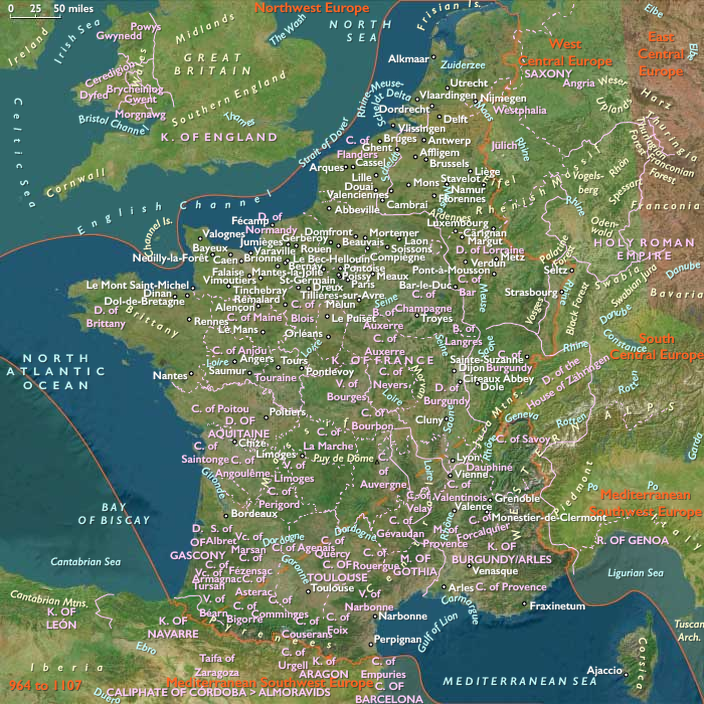
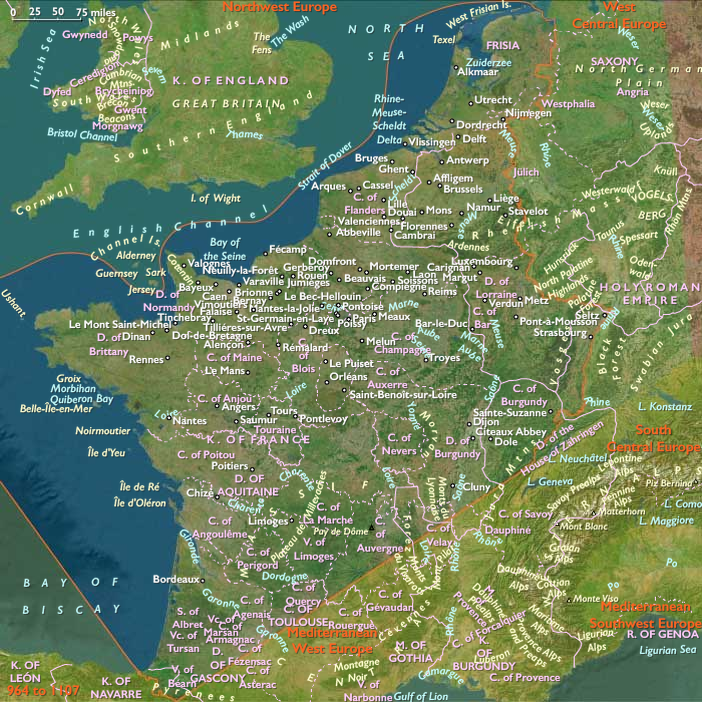
- Together, they laid siege to Antwerp, a crucial imperial stronghold in Lower Lorraine that was vital for controlling trade and military movements in the region.
- Henry responded swiftly and decisively, mobilizing his forces and once again defeating the rebels.
The Changing Nature of Henry III’s Reign
- By 1055, Henry III’s rule was entering a new phase—the era of constant rebellions and noble uprisings was fading, replaced by a different set of political challenges.
- Many of his old adversaries and supporters were dying or declining in power, including:
- Dirk IV of Holland, killed in 1049.
- Godfrey the Bearded, whose repeated failures were gradually diminishing his political influence.
- Geoffrey Martel of Anjou, who was aging and increasingly focused on internal Angevin affairs.
- At the same time, old allies and imperial loyalists were also passing away, requiring Henry to forge new alliances and maintain stability within the empire.
Consequences and Legacy
- Baldwin and Godfrey’s continued failures solidified Henry III’s control over the Low Countries, preventing Flanders from becoming an independent power outside imperial oversight.
- The defeat at Antwerp further weakened Godfrey’s standing, pushing him closer to seeking reconciliation with the emperor once again.
- As Henry’s longstanding rivals disappeared, he found himself facing a different political landscape, one where the nature of his rule would have to adapt to maintain imperial power.
Henry III’s reign was clearly transitioning—where once he had fought regional noble uprisings, he was now dealing with new threats and internal shifts, shaping the next phase of the Holy Roman Empire’s stability and governance.
Locations
People
- Adalbert of Hamburg
- Agnes of Poitou
- Andrew I of Hungary
- Baldwin V of Flanders
- Bernard II
- Casimir I the Restorer
- Conrad I
- Edward the Confessor
- Godfrey III, Duke of Lower Lorraine
- Henry III, Holy Roman Emperor
- Henry IV, Holy Roman Emperor
- Peter Damian
- Pope Leo IX
- Spytihněv II
- Sweyn II of Denmark
Groups
- Denmark, Kingdom of
- Saxony, Duchy of
- Hamburg, Archbishopric of, and Bremen, Bishopric of
- Flanders, County of
- Bohemia, Duchy of
- Cologne, Electorate of
- German, or Ottonian (Roman) Empire
- Hungary, Kingdom of
- Poland of the first Piasts, Kingdom of
- England, (Anglo-Saxon) Kingdom of
- Lorraine (Lothier), Lower, (second) Duchy of
- Christians, Roman Catholic
Commodoties
Subjects
Regions
Subregions
Related Events
Showing 10 events out of 51127 total
Years: 1055 - 1055
Locations
People
- Adalbert of Hamburg
- Agnes of Poitou
- Andrew I of Hungary
- Baldwin V of Flanders
- Bernard II
- Casimir I the Restorer
- Conrad I
- Edward the Confessor
- Godfrey III, Duke of Lower Lorraine
- Henry III, Holy Roman Emperor
- Henry IV, Holy Roman Emperor
- Peter Damian
- Pope Leo IX
- Spytihněv II
- Sweyn II of Denmark
Groups
- Denmark, Kingdom of
- Saxony, Duchy of
- Hamburg, Archbishopric of, and Bremen, Bishopric of
- Flanders, County of
- Bohemia, Duchy of
- Cologne, Electorate of
- German, or Ottonian (Roman) Empire
- Hungary, Kingdom of
- Poland of the first Piasts, Kingdom of
- England, (Anglo-Saxon) Kingdom of
- Lorraine (Lothier), Lower, (second) Duchy of
- Christians, Roman Catholic
Commodoties
Subjects
Regions
Subregions