
The Assassination of Bernard VII, the Burgundian …
Years: 1418 - 1418
June
The Assassination of Bernard VII, the Burgundian Seizure of Paris, and the Path to the Meeting at Montereau (1418–1419)
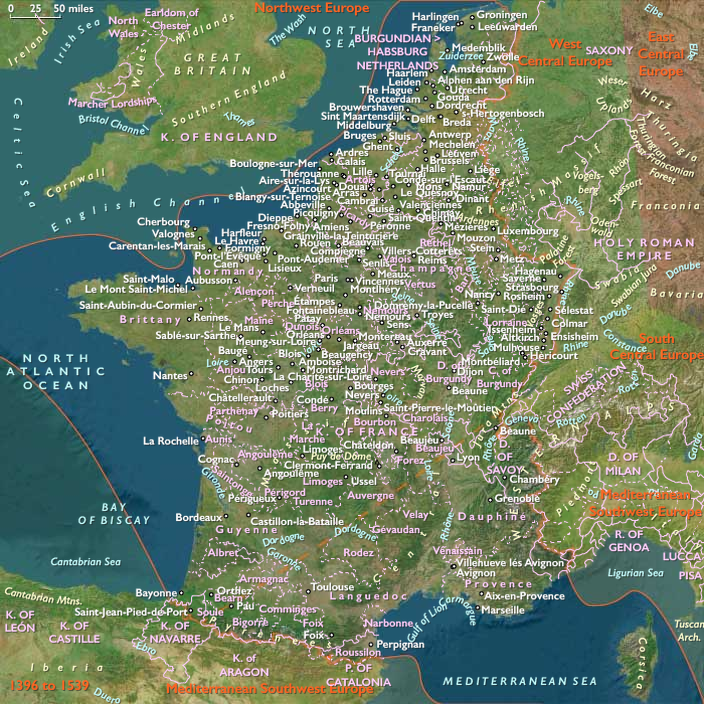
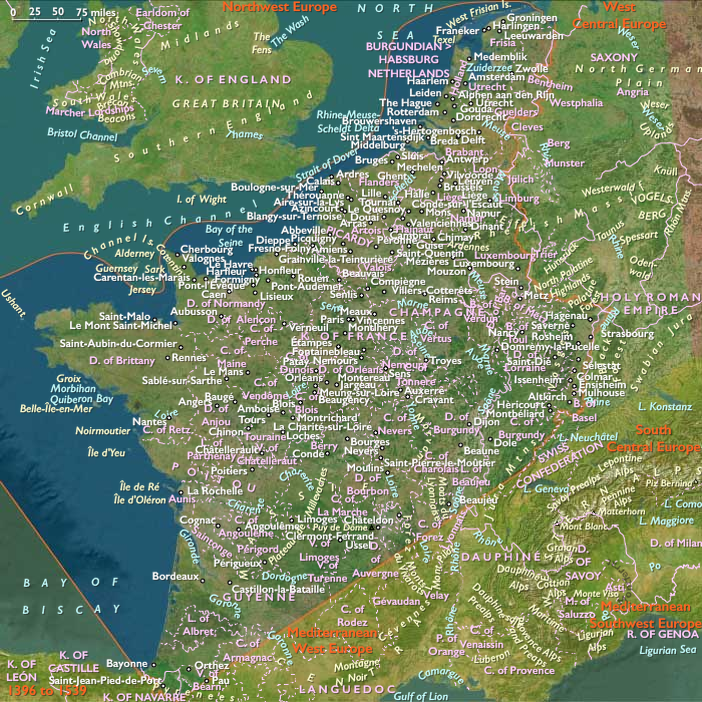
On June 12, 1418, Bernard VII, Count of Armagnac, and other key members of the Armagnac faction were slaughtered by a Parisian mob during a violent uprising. With their deaths, John the Fearless, Duke of Burgundy, once again seized control of Paris, consolidating his political and military dominance in France.
John's capture of the capital allowed him to negotiate with the English, even appearing willing to recognize Henry V of England’s claim to the French throne. This forced Dauphin Charles (the future Charles VII of France) to seek a rapprochement with the Burgundians, hoping to prevent an Anglo-Burgundian alliance.
I. The Paris Massacre and Burgundian Triumph (June 1418)
- Following an internal coup in Paris, Burgundian-aligned mobs revolted against the Armagnacs, whom they saw as oppressive rulers.
- Bernard VII, leader of the Armagnac faction, was brutally murdered, along with other high-ranking members of the Dauphin’s party.
- The Burgundians effectively seized control of Paris, making John the Fearless the most powerful man in France.
II. John the Fearless’ Position and Negotiations with England
- With Paris under his control, John:
- Entered into negotiations with the English, signaling a willingness to support Henry V’s claim to the French throne.
- Expanded Burgundian control over large portions of the kingdom, though his financial situation remained dire.
- The possibility of a Burgundian-English alliance alarmed the Dauphin Charles, who remained in exile in Bourges, controlling only parts of central France.
III. The Dauphin’s Efforts to Reconcile with Burgundy
- To prevent an Anglo-Burgundian alliance, the Dauphin opened secret negotiations with John the Fearless.
- John, despite his dominance over France, faced severe financial difficulties and saw an opportunity for a political settlement.
- Several meetings were arranged between the two sides, aiming for a mutually advantageous peace agreement.
IV. The Path to the Meeting at Montereau (1419)
- As negotiations continued, both sides recognized the need for a diplomatic resolution to avoid complete English domination of France.
- These efforts culminated in a planned meeting at Montereau on September 10, 1419, which would ultimately lead to John the Fearless’ assassination.
V. Consequences and the Ongoing Civil War
- While the Paris massacre of 1418 cemented Burgundian control, it also escalated tensions with the Dauphin’s supporters, ensuring that peace would be difficult to achieve.
- The negotiations between Burgundy and the Dauphin proved to be fragile and ultimately doomed, as mistrust between the factions remained high.
- The French civil war continued, allowing England to further advance its conquest of France under Henry V.
The murder of Bernard VII and the Burgundian capture of Paris in 1418 gave John the Fearless immense power, but also forced a desperate reconciliation attempt with the Dauphin, setting the stage for the fateful meeting at Montereau and the continued fragmentation of France.
Locations
People
- Bernard VII
- Charles VI of France
- Charles VII of France
- Charles of Orléans
- Henry V of England
- John the Fearless
Groups
Topics
- Hundred Years' War
- Armagnac-Burgundian Civil War
- Hundred Years' War: Resumption of the war under Henry V
Commodoties
Subjects
Regions
Subregions
Years: 1418 - 1418
June
Locations
People
- Bernard VII
- Charles VI of France
- Charles VII of France
- Charles of Orléans
- Henry V of England
- John the Fearless
Groups
Topics
- Hundred Years' War
- Armagnac-Burgundian Civil War
- Hundred Years' War: Resumption of the war under Henry V
Commodoties
Subjects
Regions
Subregions