The Introduction of Shafted Carts and Chariots …
Years: 196 - 207
The Introduction of Shafted Carts and Chariots in Europe (c. 200 CE)
By 200 CE, shafted carts and chariots, long used in China, made their first recorded appearance in Europe, marking a significant advancement in transportation technology. This development enhanced mobility, trade, and military logistics, further integrating the Eurasian world through technological exchange.
What Are Shafted Carts and Chariots?
- Unlike earlier pole-drawn carts, which had yoke systems for oxen, shafted carts and chariots used a single central shaft attached to a harness, allowing:
- Better maneuverability and stability.
- The use of horses for more efficient transport.
- Increased speed for both military and commercial use.
How Did They Reach Europe?
The transfer of this technology may have occurred through:
-
The Silk Road
- China had been using shafted chariots since at least the 6th century BCE.
- Trade and military exchanges between the Han Dynasty and Rome (via Parthia and the Kushan Empire) could have facilitated technological diffusion.
-
Roman-Parthian Interactions
- The Romans frequently clashed with the Parthians, who acted as intermediaries between China and Rome.
- Parthian use of Chinese-style cavalry techniques and chariots could have influenced Roman and European designs.
-
Migration and Warfare
- The Germanic and Sarmatian tribes along Rome’s borders were exposed to Eurasian innovations, potentially introducing shafted carts through steppe nomadic cultures.
Impact on Europe
-
Improved Transport Efficiency
- Shafted carts allowed for better weight distribution, making it easier to transport goods and suppliesover long distances.
-
Military Applications
- While chariots had declined in Roman warfare, the improved shafted harness system contributed to better cavalry mobility and logistics.
-
Economic Expansion
- The ability to move goods more efficiently helped facilitate trade between the Roman provinces and beyond.
Conclusion: A Sign of Eurasian Technological Exchange
The adoption of shafted carts and chariots in Europe by 200 CE reflects the broader exchanges of technology, culture, and ideas along Eurasian trade routes. This innovation contributed to improved transportation, military tactics, and economic integration, demonstrating how the Roman and Chinese worlds were indirectly linked through technological diffusion.
Related Events
Showing 2 events out of 2 total
Years: 196 - 207
Subjects
Regions
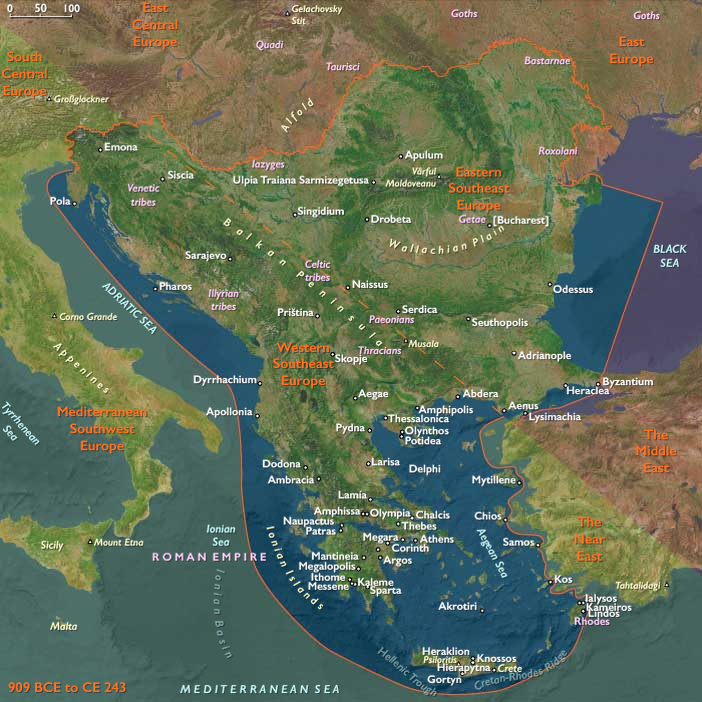

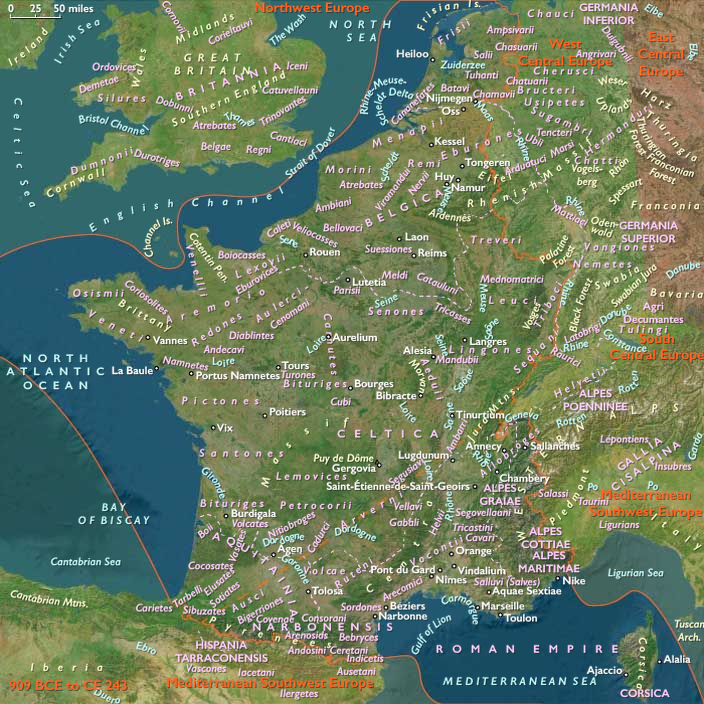


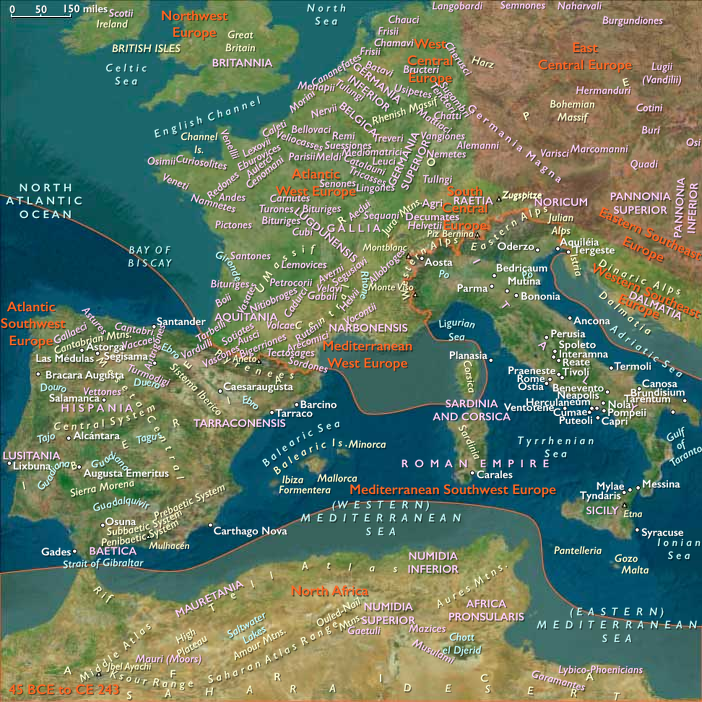
Subregions
- East Europe
- Northeast Europe
- East Central Europe
- Eastern Southeast Europe
- Western Southeast Europe
- South Central Europe
- Mediterranean West Europe
- Mediterranean Southwest Europe
- Atlantic Southwest Europe
- Atlantic West Europe
- West Central Europe
- Northwest Europe