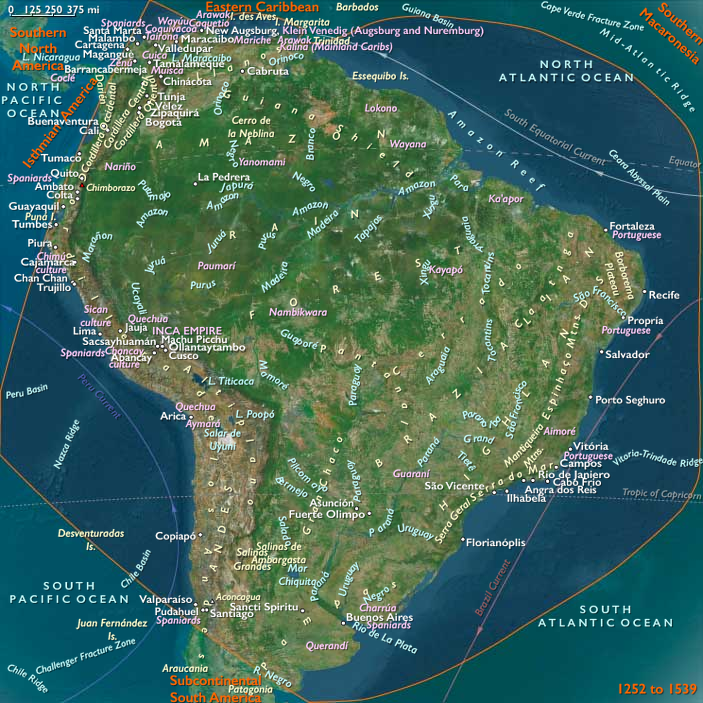
Continental South America (1468–1479 CE): Peak Expansion…
1468 CE to 1479 CE
Continental South America (1468–1479 CE): Peak Expansion Under Túpac Inca Yupanqui, Imperial Consolidation, and Cultural Integration
Between 1468 and 1479 CE, Continental South America—including Peru, Bolivia, Paraguay, Uruguay, Brazil, northern Argentina, northern and central Chile, central and eastern Colombia, most of Ecuador, Venezuela, Suriname, Guyana, and French Guiana—underwent profound transformations. Driven primarily by the ambitious reign of Túpac Inca Yupanqui, the Inca Empire reached unprecedented territorial extent and administrative complexity, significantly influencing regional political dynamics, economic networks, and cultural traditions.
Political Developments
Extensive Territorial Expansion Under Túpac Inca Yupanqui
During this era, Túpac Inca Yupanqui aggressively expanded Inca territorial control, conquering and integrating regions in northern Peru, Ecuador, northern Chile, western Bolivia, and parts of northern Argentina. His effective military campaigns and strategic alliances extended Inca authority to its greatest extent yet, profoundly reshaping regional political structures.
Sophisticated Provincial Governance
The Incas implemented refined administrative practices across newly conquered regions, establishing efficient provincial governance, systematic tribute collection, and structured military organization. These sophisticated systems of control solidified imperial stability and facilitated rapid integration of diverse regional populations.
Varied Regional Responses
Regional societies—including the Chachapoyas of northern Peru, coastal Ecuadorian chiefdoms, Andean societies in northern Argentina and Chile, and Guaraní groups—continued to adapt dynamically to imperial expansion. Strategies ranged from integration and diplomatic negotiation to localized resistance or cultural adaptation.
Economic Developments
Agricultural Productivity and Imperial Management
Agricultural productivity reached new heights through continued investment in terracing, extensive irrigation networks, and large-scale storage facilities (qollqas). Surplus food production efficiently supported growing imperial populations, armies, and extensive state-sponsored construction projects.
Flourishing Trade Networks and Economic Integration
Enhanced communication and trade infrastructures, notably expansions of the Qhapaq Ñan road system, allowed efficient movement of textiles, precious metals, ceramics, agricultural produce, and ceremonial items, strengthening economic links between coastal, highland, and lowland regions.
Cultural and Technological Developments
Monumental Architecture and Urban Sophistication
Monumental architectural projects intensified, including extensive building programs in Cuzco, Pisac, Ollantaytambo, and other strategic centers. These impressive constructions exhibited advanced stone masonry, engineering, and sophisticated urban planning, symbolizing imperial unity and centralized control.
Artistic Synthesis and Cultural Flourishing
Inca artisans and regional craftspeople continued to produce sophisticated textiles, ceramics, and metalwork, blending regional motifs with imperial symbolism. Artistic traditions flourished, reflecting cultural integration, diverse regional influences, and imperial authority.
Social and Religious Developments
Deepened Religious Centralization
Centralized imperial religious practices intensified significantly, prominently featuring worship of Inti, complex ancestral rituals, and extensive state-sponsored ceremonies. These practices reinforced imperial legitimacy, promoted social unity, and facilitated cultural assimilation across vast territories.
Strengthened Social Stratification
Social hierarchies became increasingly formalized, clearly delineating distinct classes—Inca nobility, provincial elites, priests, specialized artisans, merchants, and laborers. Hierarchies were reinforced by elaborate ceremonial rituals, regulated clothing, burial practices, and specialized urban districts.
Long-Term Consequences and Historical Significance
The era from 1468 to 1479 CE represented a critical peak in the Inca Empire’s historical trajectory. Túpac Inca Yupanqui’s ambitious territorial expansion and sophisticated administrative reforms significantly reshaped Continental South America, laying essential foundations for imperial stability, cultural integration, and regional economic prosperity. These developments profoundly influenced the political and cultural landscapes, leaving enduring legacies for subsequent historical periods.
Groups
Topics
Commodities
Subjects
Regions
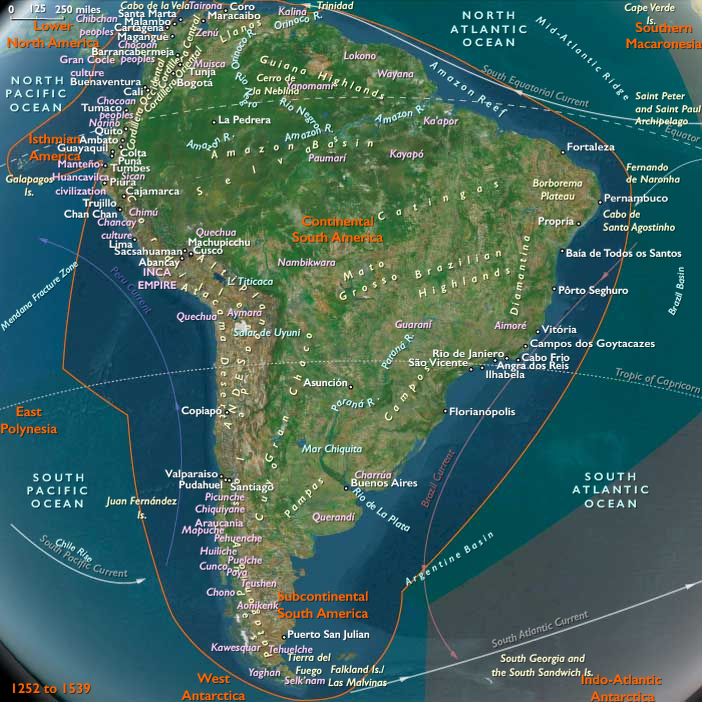
South America
View →Subregions