Dominican theologian Bartolomé de Carranza, also called…
1576 CE
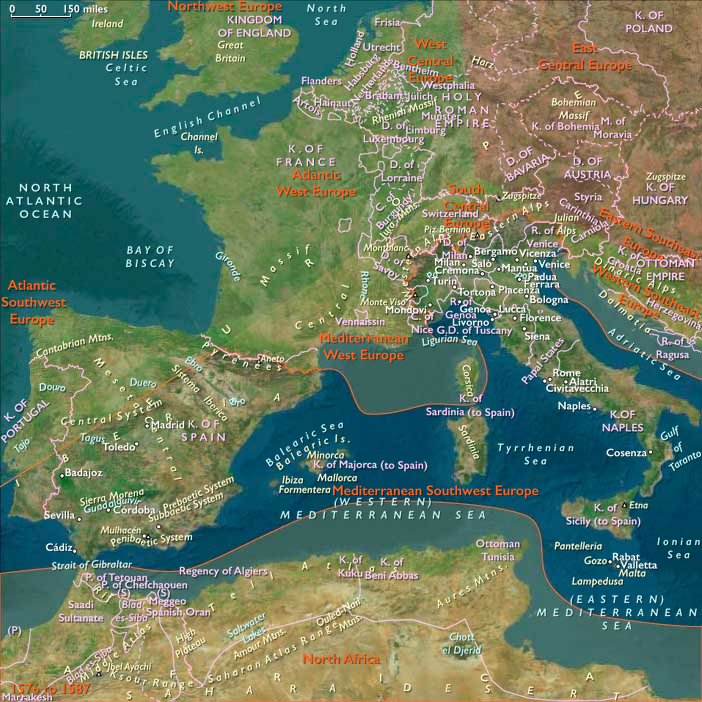
Dominican theologian Bartolomé de Carranza, also called Bartolomé De Miranda, the former archbishop of Toledo, has been imprisoned for nearly seventeen years by the Spanish Inquisition.
Having entered the Dominican convent of Benalaque near Guadalajara, Spain, he had had a brilliant scholastic career, holding responsible positions in his order.
As the Holy Roman emperor Charles V's envoy, he had taken an active part (1545–47) in the Council of Trent.
Carranza in 1546 published his Summa conciliorum (“Summary of the Council Meetings”) and his Quattuor controversiae (“Four Controversies”).
The latter work, an important study of the authority within the Roman Catholic church of tradition, Scripture, the pope, and the councils, had forestalled the work of the Dominican theologian Melchor Cano, who accused Carranza of Lutheran opinions.
Carranza in 1554–57 was in England as adviser to King Philip II of Spain at the king's marriage to Queen Mary I of England.
Philip in 1557 named him archbishop of Toledo and primate of Spain.
His Comentarios sobre el catechismo christiano (1558; “Commentaries on the Christian Catechism”) brought about renewed accusations of Lutheranism.
Carranza on August 22, 1559, was arrested by the Inquisition and accused of urging Bible reading by laypersons and advocating the writing of theology in the vernacular.
Though the Council of Trent in 1563 had declared his work sound, Philip and the Inquisition will not yield, presumably for political reasons.
Pope Pius V had called Carranza to Rome in 1567, but he is not acquitted until 1576, when he is sent to the Dominican priory of the Minerva, where he dies eighteen days later at seventy-three.
Locations
Groups
Topics
Regions
Southwest Europe
View →Subregions