
The Lisbon Massacre of 1506: A Tragedy…
April 1506 CE
The Lisbon Massacre of 1506: A Tragedy of Religious Fanaticism
On April 19, 1506, a violent anti-Jewish riot erupted in Lisbon, triggered by a supposed miraculous vision at St. Dominic’s Church (Igreja de São Domingos). Over the course of three days, an enraged mob, incited by Dominican friars, massacred over 2,000 New Christians (Jewish converts to Christianity), making it one of the most horrific pogroms in Portuguese history.
Events Leading to the Massacre
- During a church service at St. Dominic’s, some parishioners claimed to have seen a divine light emanating from a statue of Christ.
- A recently converted Jew (New Christian) who expressed skepticism about the “miracle” was seized by the crowd, torn apart, and burned alive.
- The crowd, led by two Dominican monks, began attacking Jewish homes and businesses, murdering any New Christians they could find.
- News of the violence spread, drawing more rioters from outside Lisbon who joined the massacre.
The Three Days of Slaughter (April 19–21, 1506)
- The mob hunted down New Christians, dragging them from their homes and burning them in public squares.
- Women and children were not spared, and some were tortured before being killed.
- Many Jewish homes, businesses, and places of worship were ransacked and destroyed.
- Historians estimate that between 2,000 and 4,000 people were murdered.
King Manuel I’s Response: Punishing the Instigators
- Upon learning of the massacre, King Manuel I’s administration quickly intervened, sending troops to restore order.
- He ordered a harsh crackdown on the ringleaders, including the two Dominican monks who incited the violence.
- The two friars were sentenced to the garrote and then burned alive—a rare example of official punishment for religiously motivated violence at the time.
Consequences of the Lisbon Massacre
-
A Climate of Fear Among New Christians
- Many New Christians realized forced conversion had not erased anti-Jewish sentiment.
- The massacre accelerated the exodus of New Christians from Portugal, especially to the Ottoman Empire, Italy, and the Netherlands.
-
The Event Paved the Way for the Portuguese Inquisition (1536)
- Though Portugal had not yet established an Inquisition, this massacre demonstrated the fragility of the New Christian community.
- In 1536, King John III formally established the Portuguese Inquisition, which would systematically persecute New Christians suspected of secretly practicing Judaism (crypto-Jews or Marranos).
-
Economic and Social Disruption
- The destruction of Jewish-owned businesses weakened Lisbon’s economy, as many merchants, bankers, and scholars were lost.
Conclusion: A Dark Chapter in Portugal’s History
The Lisbon Massacre of 1506 exposed the deep religious tensions in Portugal and demonstrated the instability of forced conversions. Despite King Manuel I’s efforts to punish the ringleaders, the massacre damaged Portugal’s reputation and led to further persecution of the New Christian community, culminating in the eventual establishment of the Portuguese Inquisition.
Locations
People
Groups
Regions
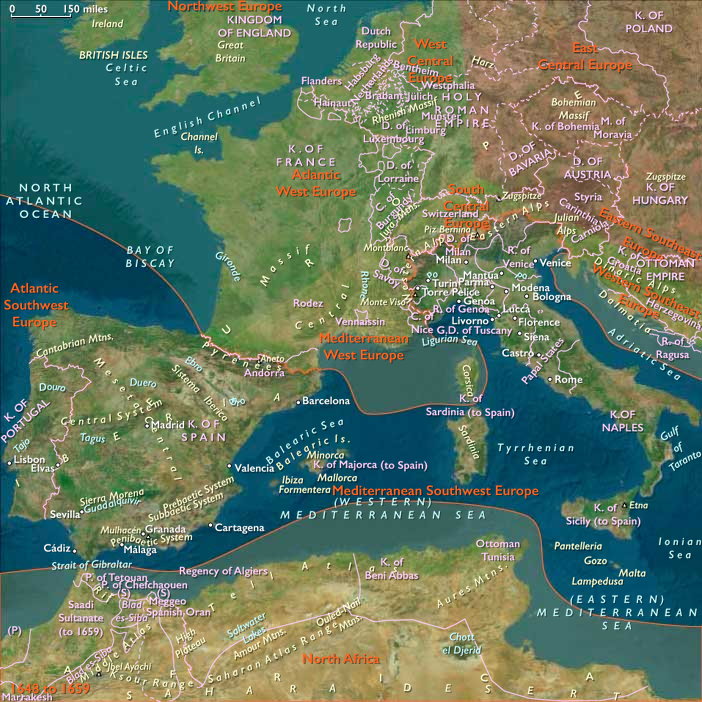
Southwest Europe
View →Subregions
