
East Europe (189–46 BCE): Consolidation of Sarmatian …
Years: 189BCE - 46BCE
East Europe (189–46 BCE): Consolidation of Sarmatian Power and Expansion of Hellenistic Influence
Political and Military Developments
Sarmatian Consolidation and Expansion
Between 189 and 46 BCE, the Sarmatians solidified their dominance over the Pontic–Caspian steppe, extending their influence westward toward central and eastern Europe. Their formidable cavalry units increasingly interacted with, and sometimes clashed with, emerging European tribes, such as the early Germanic groups and Celtic tribes.
Growth and Influence of the Bosporan Kingdom
The Bosporan Kingdom expanded significantly, incorporating territories previously held by smaller tribal states like Sindica. The kingdom served as a vital political and economic hub linking Greek city-states, local tribes, and powerful nomadic confederations such as the Sarmatians.
Economic and Technological Developments
Enhanced Eurasian Trade Networks
Sarmatian control of key trade routes facilitated thriving commerce linking Central Asia, Eastern Europe, and the Mediterranean. Commodities such as precious metals, furs, and horses moved extensively through these routes, significantly enriching Sarmatian and Bosporan elites.
Continued Military Innovations
The Sarmatians further refined cavalry warfare, particularly their heavily armored horsemen (cataphracts), influencing European and Central Asian military tactics. Technological improvements in metallurgy allowed for stronger armor and weaponry, which became increasingly common among Eurasian warriors.
Cultural and Artistic Developments
Flourishing Sarmatian Art
Sarmatian artistic traditions flourished, showcasing sophisticated metalwork, intricate jewelry, and richly decorated weaponry. The fusion of steppe and Mediterranean styles became more pronounced, particularly in regions near the Bosporan Kingdom.
Intensified Hellenistic Influence
The Hellenistic cultural presence grew markedly in regions adjacent to the Bosporan Kingdom and throughout Sindica. Greek cultural and artistic elements permeated local traditions, visible in burial practices, pottery, coinage, and urban architecture.
Settlement Patterns and Urban Development
Expansion and Urbanization of Settlements
Urban centers in the Bosporan Kingdom and surrounding territories expanded significantly, serving as administrative, trade, and cultural hubs. Cities such as Panticapaeum (modern Kerch) thrived, reflecting increased economic prosperity and political stability.
Rise of the Zarubintsy and Przeworsk Cultures
The Zarubintsy and Przeworsk cultures continued to expand, demonstrating more complex settlement patterns and fortified communities. These cultures displayed enhanced socio-economic organization and interactions with surrounding Sarmatian and Hellenistic influences.
Social and Religious Developments
Reinforcement of Elite Dominance
Sarmatian society remained distinctly hierarchical, dominated by elite warriors and chieftains whose status and wealth were increasingly visible through elaborate burial sites, ornate jewelry, and ceremonial weaponry.
Deepening Religious Syncretism
Religious practices continued to reflect syncretism, integrating Greek, Iranian, and local steppe traditions. Rituals and religious iconography became increasingly eclectic, incorporating diverse symbolism from these interacting cultural spheres.
Long-Term Consequences and Historical Significance
The era from 189 to 46 BCE represented the high point of Sarmatian political and cultural influence in East Europe, closely interwoven with intensified Hellenistic expansion from the Bosporan Kingdom. These interactions contributed to enduring cultural exchanges and laid the foundations for future developments in regional trade, military strategies, and socio-political structures.
Groups
- Polytheism (“paganism”)
- Slavs, Proto-
- Maeotians
- Sindi
- Bosporan Kingdom
- Sarmatians
- Zarubintsy culture
- Przeworsk culture
- Greece, Roman
Topics
Commodoties
- Weapons
- Hides and feathers
- Gem materials
- Domestic animals
- Grains and produce
- Ceramics
- Strategic metals
- Slaves
- Sweeteners
- Beer, wine, and spirits
Subjects
Regions
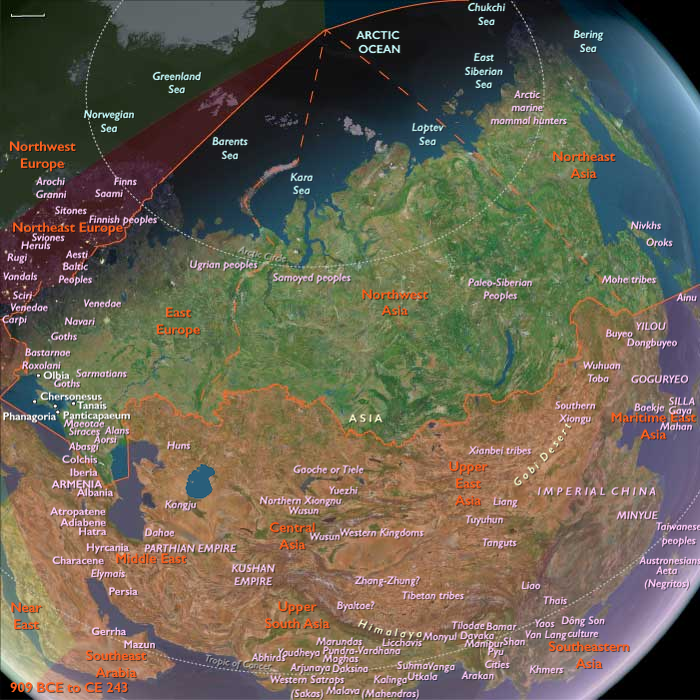
Subregions
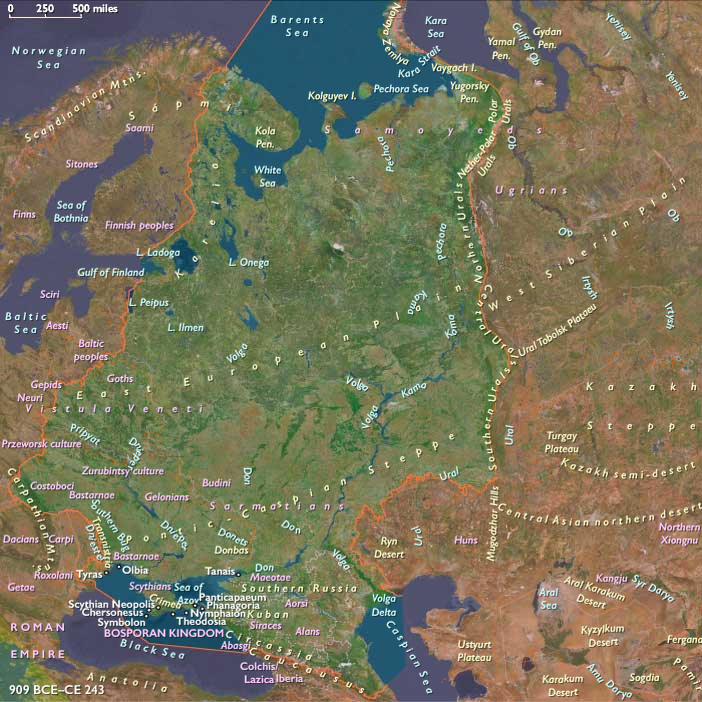
Related Events
Showing 10 events out of 63449 total
Years: 189BCE - 46BCE
Groups
- Polytheism (“paganism”)
- Slavs, Proto-
- Maeotians
- Sindi
- Bosporan Kingdom
- Sarmatians
- Zarubintsy culture
- Przeworsk culture
- Greece, Roman
Topics
Commodoties
- Weapons
- Hides and feathers
- Gem materials
- Domestic animals
- Grains and produce
- Ceramics
- Strategic metals
- Slaves
- Sweeteners
- Beer, wine, and spirits
Subjects
Regions
Subregions