
Eastern Southeast Europe (1648–1659 CE): Intensifying Conflicts, …
Years: 1648 - 1659
Eastern Southeast Europe (1648–1659 CE): Intensifying Conflicts, Social Unrest, and Cultural Developments
Settlement and Migration Patterns
Increased Regional Autonomy
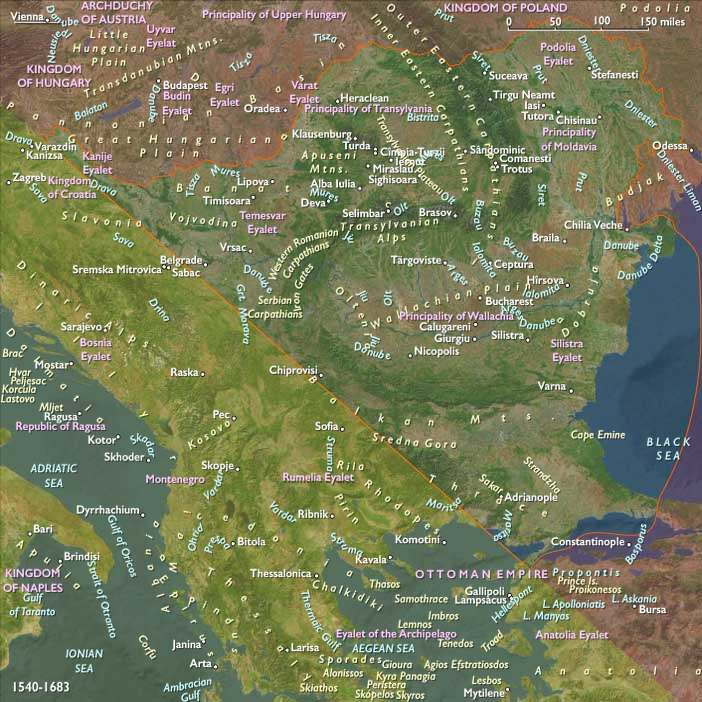
From 1648 to 1659, Eastern Southeast Europe witnessed continued fluctuations in Ottoman administrative control. Regions such as northwestern Bulgaria, including the strategically significant town of Chiprovtsi, maintained substantial autonomy due to Ottoman military preoccupations elsewhere. The resulting local stability encouraged modest population growth and facilitated internal migration as communities sought refuge from more heavily taxed or disrupted areas.
Political Dynamics and Regional Rivalries
Ongoing Rivalry Between Wallachia and Moldavia
Tensions between the principalities of Wallachia and Moldavia persisted, rooted in the earlier conflicts between Wallachian prince Matei Basarab (1632–1654) and Moldavian voivode Vasile Lupu (1634–1653). Although Lupu had been ousted in 1653, both principalities continued to experience internal political strife, leaving them vulnerable to external interference and Ottoman exploitation.
Bulgarian Diplomatic Efforts Continue
Bulgarian Catholic nobles, especially around Chiprovtsi, continued their diplomatic initiatives to secure Western support against Ottoman domination. Efforts initiated earlier by diplomats like Petar Parchevich and Petar Bogdan influenced local and regional attitudes, although concrete military or diplomatic assistance from the West remained limited.
Economic and Technological Developments
Continued Economic Resilience
Economic activity in semi-autonomous regions like Chiprovtsi continued steadily due to reduced Ottoman oversight, particularly in mining, metallurgy, and local trade. Despite external instability, these regions maintained economic vitality through strategic trading partnerships, especially along Danube trade routes connecting them to Central and Western Europe.
Cultural and Artistic Developments
Patronage of Religious and Cultural Institutions
Local rulers in Wallachia and Moldavia continued their support of religious and cultural institutions, reinforcing Orthodox Christianity and Romanian cultural identity. Religious centers, monasteries, and educational institutions flourished under continued patronage, reinforcing regional cultural coherence and identity.
Social and Religious Developments
Hajduk Activities and Social Unrest
Social unrest and dissatisfaction with Ottoman rule continued to manifest through the actions of local outlaw groups known as hajduci. These bands, often seen as both freedom fighters and bandits, maintained resistance against local Ottoman authorities, reflecting deepening social and economic grievances. Their exploits were increasingly celebrated in local folklore, reinforcing national identity.
Religious and Cultural Autonomy
Orthodox Christian communities, particularly in isolated rural areas, preserved their religious and cultural traditions despite external pressures. The Ottoman millet system continued to provide some protection, allowing these communities to maintain autonomy in internal religious affairs.
Key Historical Events and Developments
-
1653: End of Vasile Lupu’s rule in Moldavia leads to political reorganization and continued instability.
-
1650s: Intensified hajduk activities highlight social and economic unrest in Bulgaria, Serbia, and Romanian principalities.
-
Continued diplomatic efforts from Bulgarian Catholic nobles toward Western Europe.
Long-Term Consequences and Historical Significance
The period from 1648 to 1659 CE was characterized by ongoing political rivalries, local autonomy due to Ottoman distractions, intensified social unrest, and persistent cultural and religious patronage. These developments solidified regional identities, intensified national consciousness, and set the stage for greater social and political challenges to Ottoman rule in subsequent decades.
People
Groups
- Bulgarians (South Slavs)
- Serbs (South Slavs)
- Bulgarian Orthodox Church
- Romanians
- Christians, Roman Catholic
- Ottoman Empire
- Bulgaria, Ottoman
- Wallachia (Ottoman vassal), Principality of
- Calvinists
- Moldavia (Ottoman vassal), Principality of
Topics
Commodoties
Subjects
- Commerce
- Language
- Labor and Service
- Decorative arts
- Conflict
- Faith
- Government
- Scholarship
- Custom and Law
Regions

Subregions
Years: 1648 - 1659
People
Groups
- Bulgarians (South Slavs)
- Serbs (South Slavs)
- Bulgarian Orthodox Church
- Romanians
- Christians, Roman Catholic
- Ottoman Empire
- Bulgaria, Ottoman
- Wallachia (Ottoman vassal), Principality of
- Calvinists
- Moldavia (Ottoman vassal), Principality of
Topics
Commodoties
Subjects
- Commerce
- Language
- Labor and Service
- Decorative arts
- Conflict
- Faith
- Government
- Scholarship
- Custom and Law
Regions
Subregions