Queen Elizabeth I's reign (1558–1603) is the…
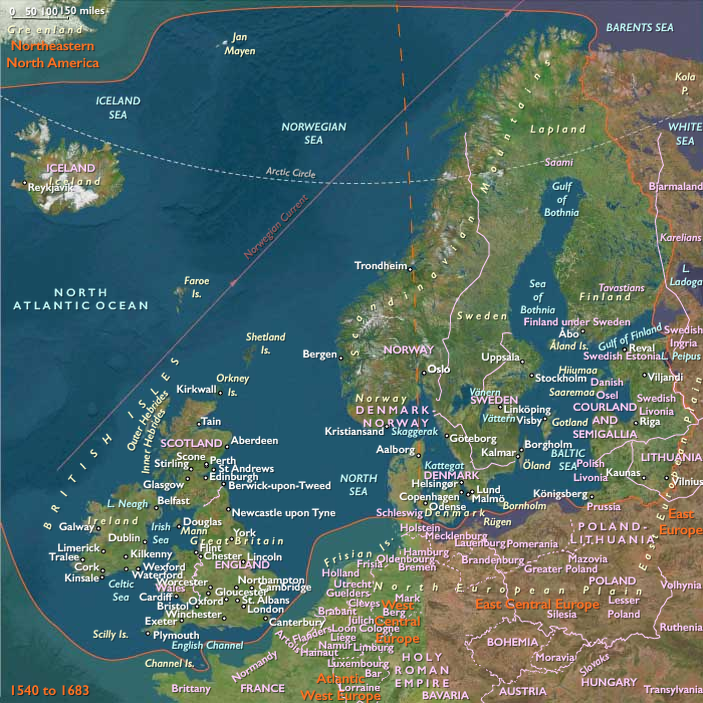
1540 CE to 1683 CE
Historians often depict it as the golden age in English history.
The symbol of Britannia is first used in 1572 and often thereafter to mark the Elizabethan age as a renaissance that inspires national pride through classical ideals, international expansion, and naval triumph over the hated Spanish foe.
This "golden age" represents the apogee of the English Renaissance and sees the flowering of poetry, music and literature.
The era is most famous for theater, as William Shakespeare and many others compose plays that break free of England's past style of theater.
It is an age of exploration and expansion abroad, while back at home, the Protestant Reformation becomes more acceptable to the people, most certainly after the Spanish Armada is repulsed.
It is also the end of the period when England is a separate realm before its royal union with Scotland.
The Elizabethan Age is viewed so highly largely because of the periods before and after.
It is a brief period of largely internal peace between the English Reformation and the battles between Protestants and Catholics and the battles between parliament and the monarchy that engulf the seventeenth century.
The Protestant/Catholic divide is settled, for a time, by the Elizabethan Religious Settlement, and parliament is not yet strong enough to challenge royal absolutism.
Groups
Subjects
Regions
North Europe
View →Subregions