Claus Sluter and the Chartreuse de Champmol:…
1395 CE
Claus Sluter and the Chartreuse de Champmol: A Monument of Burgundian Power (1385–1395)
The Chartreuse de Champmol, founded by Philip the Bold, Duke of Burgundy, near Dijon, was conceived as a magnificent Carthusian monastery and dynastic burial site, rivaling Cîteaux Abbey, Saint-Denis, and other royal necropolises. Among its most celebrated artistic projects was the sculptural work of Claus Sluter, a Flemish sculptor who arrived at the Burgundian court in 1385 and began his first major project, the monastery’s portal, in 1389.
Foundation and Construction of the Chartreuse de Champmol
- The purchase of land and material quarrying began in 1377, though actual construction did not start until 1383.
- Druet de Dammartin, a Parisian architect who had previously worked on Philip’s château at Sluis and the Louvre, oversaw the initial design.
- A committee of Dijon councilors supervised the project, as Philip the Bold was frequently away.
- By 1388, the church was consecrated, and most of the major construction was likely completed.
The Monastery: A Unique Carthusian Institution
- Unlike traditional Carthusian houses, which typically housed twelve choir monks, Champmol was designed for twenty-four—demonstrating its grandeur and importance.
- The monks lived semi-hermetic lives in private houses, emerging only for communal prayers in the chapel.
- The community also included non-ordained monks, novices, servants, and workers, making it a self-sufficient religious and political institution.
Dijon and the Strategic Importance of Burgundy
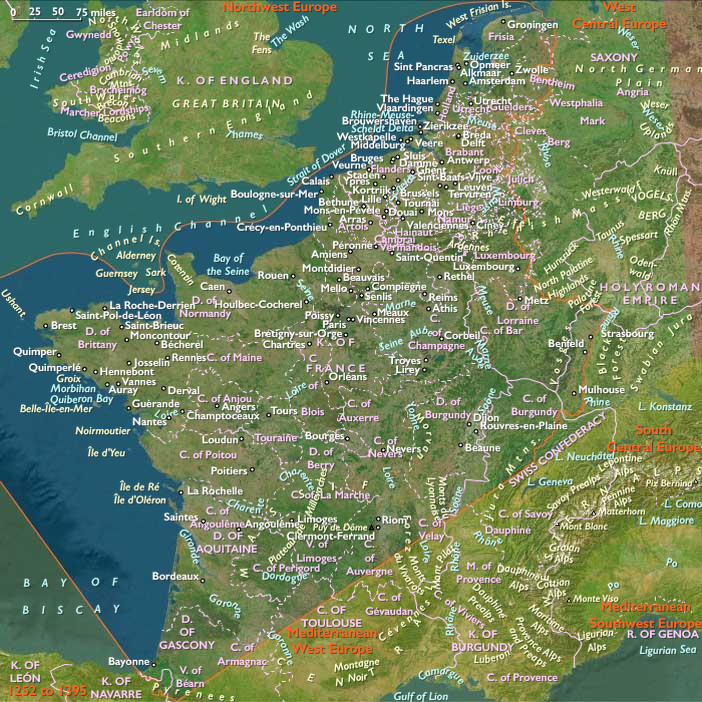
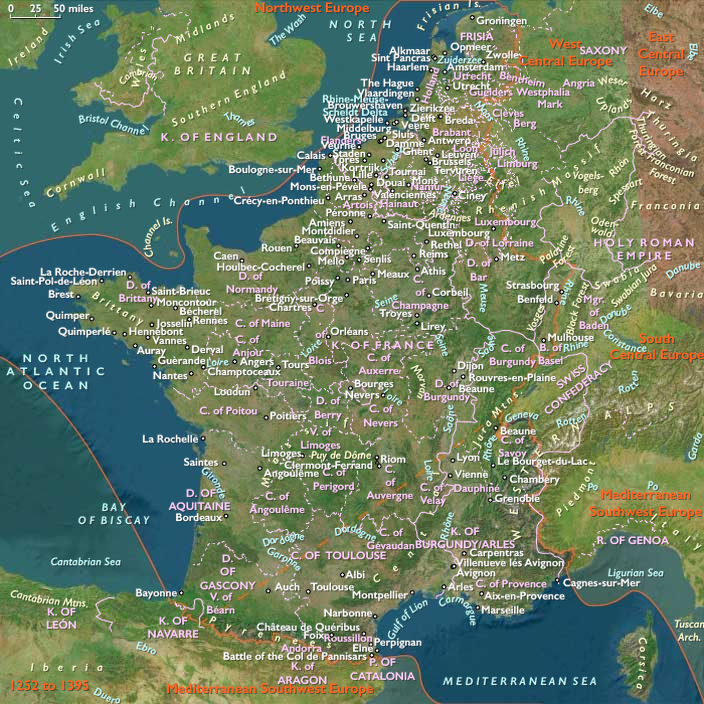
- At the time, Dijon had about 10,000 inhabitants, making it the largest city in Burgundy proper.
- However, it was smaller than the Dutch and Flemish cities that Philip had recently inherited through marriage.
- Unlike the often rebellious cities of the Burgundian Netherlands, Burgundy was more securely held, representing the senior title of the dynasty.
Champmol as a Burgundian Dynastic Mausoleum
- Before the Valois Dukes of Burgundy took power in 1361, over sixty Capetian Dukes of Burgundy had been buried at Cîteaux Abbey.
- Philip the Bold intended Champmol to rival Cîteaux, Saint-Denis (the burial site of the French kings), and other great dynastic burial places.
- The monastery was meant to establish the Burgundian dynasty’s legitimacy and grandeur, reinforcing Philip’s claims to power and prestige.
Claus Sluter’s Sculptural Contributions
- Sluter began his first major project in 1389, working on the portal of the monastery church.
- In 1395, he started work on the "Well of Moses," a sculptural masterpiece featuring Old Testament prophets, which became one of the greatest achievements of Burgundian art.
- His realistic, expressive figures broke from traditional Gothic stylization, ushering in a more naturalistic and powerful sculptural style.
Impact and Legacy
- The Chartreuse de Champmol became the spiritual and artistic heart of the Burgundian dynasty, reinforcing Philip’s legacy.
- Claus Sluter’s sculptural innovations influenced Northern Renaissance art, inspiring later Flemish and Dutch sculptors.
- Although the monastery was heavily damaged during the French Revolution, its surviving works, including the Well of Moses, remain among the most celebrated Gothic sculptures.
The Chartreuse de Champmol (1385–1395) and Sluter’s contributions solidified Burgundy’s status as a cultural and political powerhouse, blending dynastic ambition with artistic mastery.
Images

Philip the Bold and his wife kneel in the portal of the monastery church. Claus Sluter and workshop. (Photo taken September 2007 by Christophe.Finot)
Locations
Regions
West Europe
View →Subregions