
The Iberian Revolt Reignites After Napoleon’s Departure …
Years: 1809 - 1809
The Iberian Revolt Reignites After Napoleon’s Departure (January 1809)
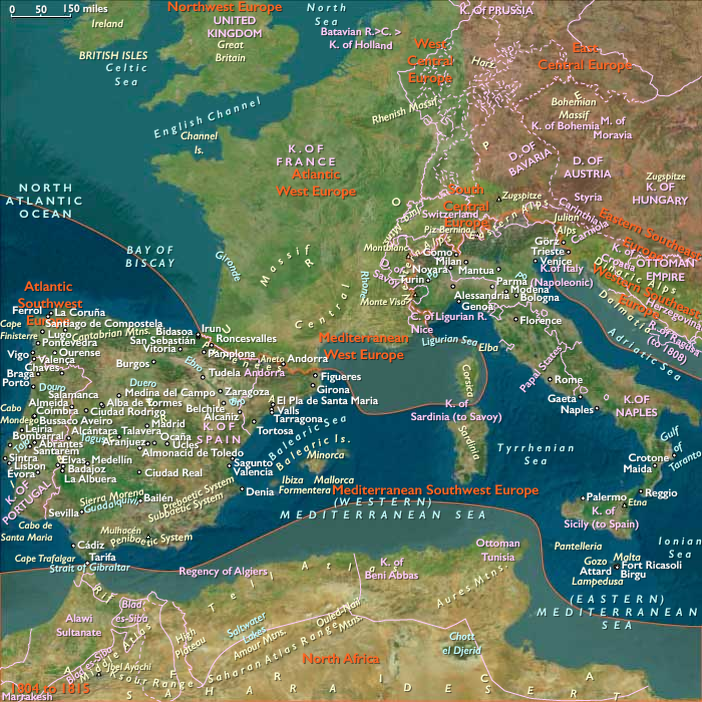
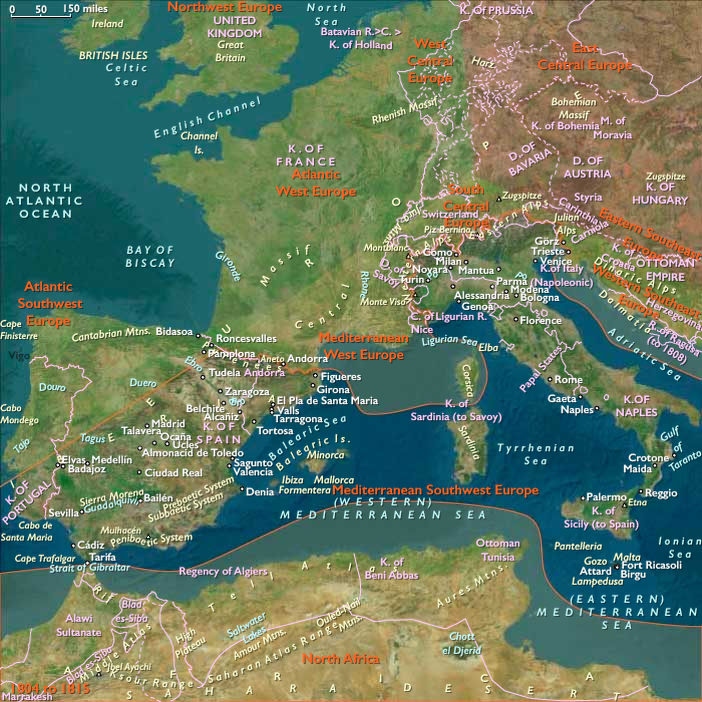
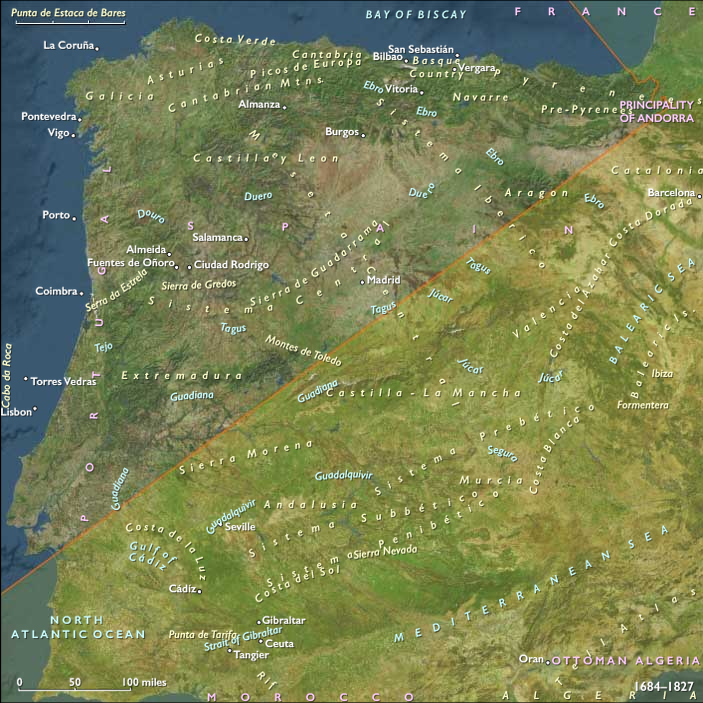
After personally leading a campaign in Spain in late 1808, Napoleon reasserted French control, crushing several Spanish armies and capturing Madrid on December 4, 1808. However, with Austria preparing for war in Central Europe, he departed Spain in January 1809, leaving the Peninsular War in the hands of his marshals.
The Resurgence of Resistance in Iberia
As soon as Napoleon left the peninsula, the Iberian revolt reignited, fueled by:
- The survival of Spanish and Portuguese resistance movements, particularly in rural areas.
- The brutality of French occupation, which continued to provoke outrage.
- British military intervention, which helped sustain local uprisings.
Spanish and Portuguese Forces Regroup
- Spain – Despite their defeat at Tudela (November 1808) and the fall of Madrid, the Spanish armies reformed, supported by a network of guerrilla fighters who harassed French supply lines and garrisons.
- Portugal – The Portuguese insurgency strengthened as British forces under Sir John Moore and later Sir Arthur Wellesley (Duke of Wellington) intensified their efforts.
French Occupation Under Strain
With Napoleon gone, his marshals—Soult, Victor, and Ney—were left to contain the ever-growing rebellion. However:
- The French struggled to control the countryside, as local militias and guerrillas constantly attacked French supply lines.
- French forces were spread thin, facing uprisings across Spain and Portugal.
- The British, Portuguese, and Spanish began coordinating their efforts, creating a unified front against the French occupiers.
Conclusion – The War Enters a New Phase
Napoleon’s departure in January 1809 marked a turning point in the Peninsular War:
- The French presence in Iberia became unsustainable, as revolts flared up across the peninsula.
- Guerrilla warfare, British reinforcements, and Spanish resilience ensured that Napoleon’s hold on Spain would never be secure.
- Over the next five years, the Peninsular War would drag on, bleeding French resources and contributing to Napoleon’s ultimate downfall in 1814.
People
Groups
Topics
Subjects
Regions
Subregions
Related Events
Showing 10 events out of 21748 total
Years: 1809 - 1809
People
Groups
Topics
Subjects
Regions
Subregions