
...Franeker, while much of Frisia remained firmly…
1516 CE
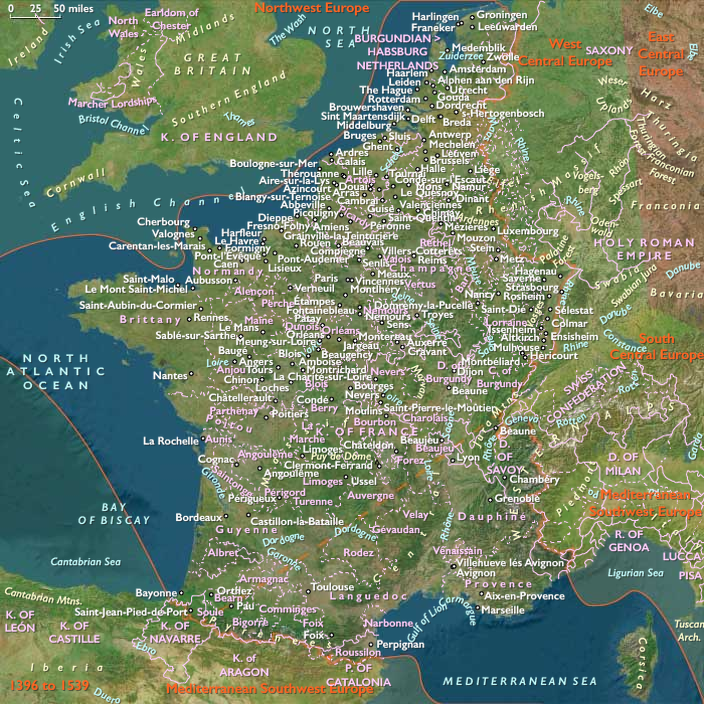
...Franeker, while much of Frisia remained firmly in the hands of local rebel factions aligned with Duke Charles of Guelders.
Consequences and Historical Significance
The Habsburg acquisition of Frisia in 1515 significantly shaped the political landscape of the northern Netherlands. Although initially limited, Charles’s claim laid the groundwork for eventual Habsburg authority over the region. Over the following decades, Habsburg administration slowly strengthened its hold, incorporating Frisia more thoroughly into their expanding empire, thereby integrating the area into what would eventually become the Spanish (later Austrian) Netherlands.
Moreover, the acquisition deepened existing tensions with Duke Charles of Guelders and intensified ongoing conflicts in the region. The resistance in Frisia became emblematic of broader struggles throughout the Low Countries, presaging future conflicts between local autonomy and Habsburg centralization—tensions that would continue to characterize the history of the Netherlands well into the sixteenth and seventeenth centuries.
Locations
People
Groups
Commodities
Subjects
Regions
West Europe
View →Subregions
