The Death of Gelasius II and the…
1119 CE
The Death of Gelasius II and the Election of Calixtus II (1119 CE)
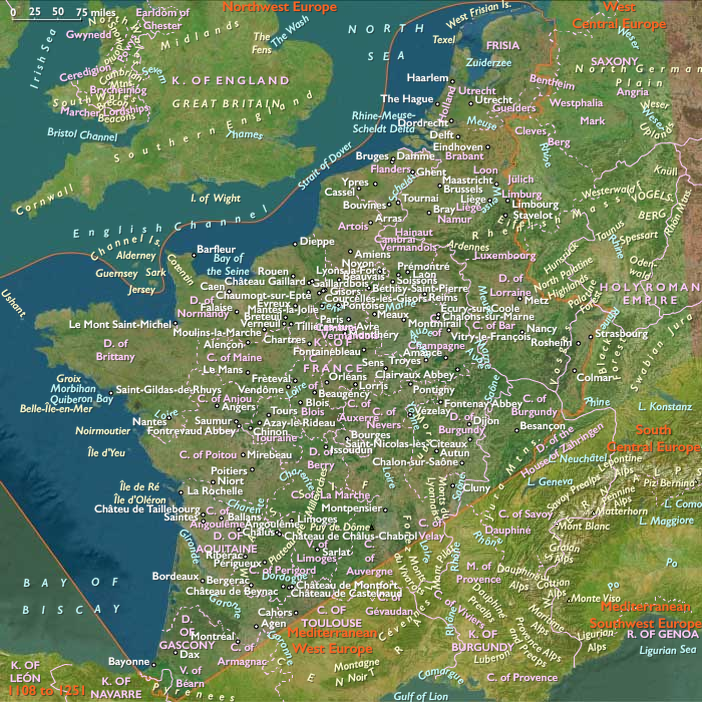
Pope Gelasius II, having faced continuous opposition from Holy Roman Emperor Henry V and his rival, the antipope Gregory VIII, had set out for France in 1118, seeking refuge and support for the papacy.
- On his journey, he consecrated the Cathedral of Pisa, demonstrating papal authority in Tuscany.
- He arrived in Marseille in October 1118, where he was warmly received in key cities such as Avignon and Montpellier.
- In January 1119, he held a synod at Vienne, intending to convene a general council to finally resolve the Investiture Controversy, the ongoing dispute over whether secular rulers had the authority to appoint bishops and abbots.
However, before he could carry out these plans, Gelasius II died at Cluny on January 29, 1119.
The Election of Pope Calixtus II and His Conflict with Henry V
Following Gelasius II’s death, the cardinals at Cluny elected Guido, Archbishop of Vienne, as the next pope. He took the name Calixtus II and immediately moved to assert papal authority against imperial interference.
- At a synod in Reims, Calixtus II:
- Condemned lay investiture, reaffirming that only the Church had the right to appoint bishops and abbots.
- Excommunicated Emperor Henry V and Antipope Gregory VIII, striking a significant blow against imperial influence in Church affairs.
- Shortly after, Gregory VIII was captured and imprisoned, eliminating Henry V’s primary papal ally.
With the antipope neutralized and the papacy firmly in Capetian-protected France, Henry V was forced to seek negotiations to end the investiture conflict.
The Path Toward Resolution
- Henry, recognizing that he lacked papal support, opened diplomatic talks with Calixtus II.
- He followed a pattern similar to that seen in England and France, where secular rulers had already reached compromises on investiture:
- In England, King Henry I had agreed with Archbishop Anselm to allow clerical elections while still requiring homage from bishops as feudal vassals.
- In France, King Louis VI had largely conformed to a system where royal influence over appointments was indirect, avoiding direct conflicts with the papacy.
These discussions set the stage for the eventual resolution of the Investiture Controversy through the Concordat of Worms (1122), which ended the imperial dispute over Church appointments and redefined the balance between papal and secular power.
Locations
People
Groups
Commodities
Subjects
Regions

West Europe
View →Subregions