Event
Annibale de Gasparis, in Naples, Italy discovers…
Annibale de Gasparis, in Naples, Italy discovers asteroid 15 Eunomia on July 29, 1851.
The son of a doctor, he had studied in the seminars of Sulmona and Chieti, becoming passionate for classic novels and teaching himself mathematics.
In 1838 he arrived in Naples to study engineering at the School of Bridges and Roads, today's Engineering faculty of Naples University, and the following year he was accepted as a student at the Astronomical Observatory of Capodimonte by the director Ernesto Capocci.
He studied mathematics and celestial mechanics and in 1845 he published his first scientific paper on the orbit of the minor planet Vesta.
For this studies he earned, as early as 1846, the honorary degree in mathematics by the University of Naples.
In 1848 he participated in the liberal movements, avoiding the Bourbon repression by dedicating to the King Ferdinand II his first discovery: the asteroid Hygiea, made on April 12, 1849 with the equatorial telescope of Reichenbach & Utzschneider, giving it the name of Igea Borbonica.
In 1850 the Observatory director Capocci had been dismissed as director due to his participation in the liberal revolts.
De Gasparis had refused to assume the position of Observatory director in deference to his mentor and friend Capocci.
The son of a doctor, he had studied in the seminars of Sulmona and Chieti, becoming passionate for classic novels and teaching himself mathematics.
In 1838 he arrived in Naples to study engineering at the School of Bridges and Roads, today's Engineering faculty of Naples University, and the following year he was accepted as a student at the Astronomical Observatory of Capodimonte by the director Ernesto Capocci.
He studied mathematics and celestial mechanics and in 1845 he published his first scientific paper on the orbit of the minor planet Vesta.
For this studies he earned, as early as 1846, the honorary degree in mathematics by the University of Naples.
In 1848 he participated in the liberal movements, avoiding the Bourbon repression by dedicating to the King Ferdinand II his first discovery: the asteroid Hygiea, made on April 12, 1849 with the equatorial telescope of Reichenbach & Utzschneider, giving it the name of Igea Borbonica.
In 1850 the Observatory director Capocci had been dismissed as director due to his participation in the liberal revolts.
De Gasparis had refused to assume the position of Observatory director in deference to his mentor and friend Capocci.
-
{# Image navigates to the detail page; the magnifying-glass chip is the only Fancybox lightbox trigger (kept a separate sibling — anchors can't nest). #}
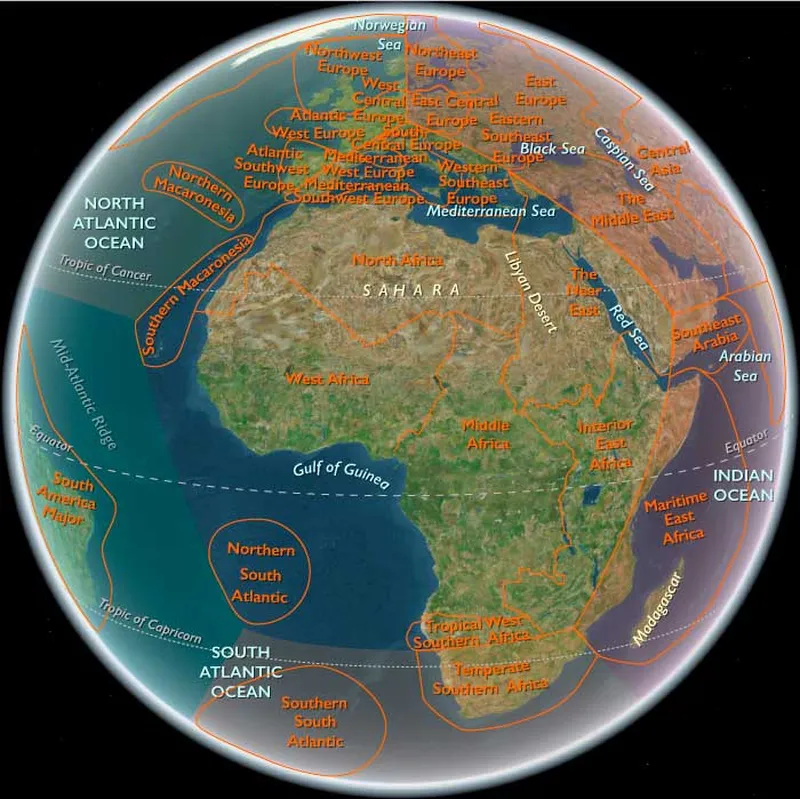 The Middle of The Earth
World
The Middle of The Earth
World
-
{# Image navigates to the detail page; the magnifying-glass chip is the only Fancybox lightbox trigger (kept a separate sibling — anchors can't nest). #}
 Southwest Europe
Region
Southwest Europe
Region
-
{# Image navigates to the detail page; the magnifying-glass chip is the only Fancybox lightbox trigger (kept a separate sibling — anchors can't nest). #}
 Mediterranean Southwest Europe
Subregion
Mediterranean Southwest Europe
Subregion