
Gulf and Western North America (1948–1959 CE):…
1948 CE to 1959 CE
Gulf and Western North America (1948–1959 CE): Postwar Transformation, Civil Rights Awakening, and Economic Expansion
Postwar Prosperity and Economic Growth
Following World War II (1939–1945), Gulf and Western North America experiences a sustained period of economic growth and industrial expansion. The region benefits significantly from defense-related industries, technological innovations, and increased consumer spending. States like California and Texas see rapid population growth and urban development, becoming central hubs for aerospace, technology, and oil production.
Rise of the Sunbelt
The era marks the ascent of the so-called Sunbelt, a region stretching from Florida across the Gulf states to California. Favorable climates, lower taxes, and federal investment, especially in defense and infrastructure, attract businesses and families alike. Cities such as Los Angeles, Houston, and Phoenix experience explosive growth, reshaping the economic and demographic profile of the United States.
Civil Rights Movement Emerges
The struggle against racial segregation intensifies during this period, with significant events in Gulf states. Landmark moments include the Montgomery Bus Boycott (1955–1956) in Alabama, sparked by Rosa Parks' refusal to give up her bus seat, and the Supreme Court’s decision in Brown v. Board of Education (1954), declaring racial segregation in public schools unconstitutional. These events galvanize nationwide efforts to challenge institutionalized racism and mark the formal beginning of the modern Civil Rights Movement.
Indigenous Rights and Cultural Recognition
Native American activism gradually strengthens, with increased advocacy for tribal sovereignty, cultural preservation, and economic self-sufficiency. Tribes across Oklahoma, Arizona, New Mexico, and California begin asserting stronger political voices, laying the groundwork for later movements demanding justice, land rights, and acknowledgment of historical injustices.
Environmental and Infrastructure Developments
Massive infrastructure projects reshape the region’s environment and economy. Notably, the construction of expansive highway networks and water projects, including dam-building along major western rivers, dramatically alters landscapes and supports further urban growth. However, these projects also provoke early environmental concerns, foreshadowing later environmental activism.
Cultural Influence and Hollywood’s Golden Age
California, particularly Hollywood, experiences its so-called "Golden Age" during this period, becoming the global capital of the film industry. Hollywood films and American television programs broadcast Western cultural values internationally, reinforcing the region’s significant cultural influence.
Key Historical Developments
-
Economic boom in the postwar period, with significant growth in aerospace, technology, and oil industries.
-
Emergence of the Sunbelt region as a new economic powerhouse.
-
Landmark civil rights events, including the Montgomery Bus Boycott and Brown v. Board of Education.
-
Increased advocacy for Native American rights and sovereignty.
-
Major infrastructure and environmental changes through highway and dam construction.
-
Hollywood’s Golden Age solidifying American cultural dominance globally.
Long-Term Consequences and Historical Significance
Between 1948 and 1959, Gulf and Western North America undergoes transformative changes that shape its economic, social, and cultural landscape. The postwar economic boom, combined with critical strides in civil rights and growing environmental awareness, sets the stage for significant shifts in national policy, societal attitudes, and global influence in subsequent decades.
Groups
Topics
Commodities
Subjects
Regions
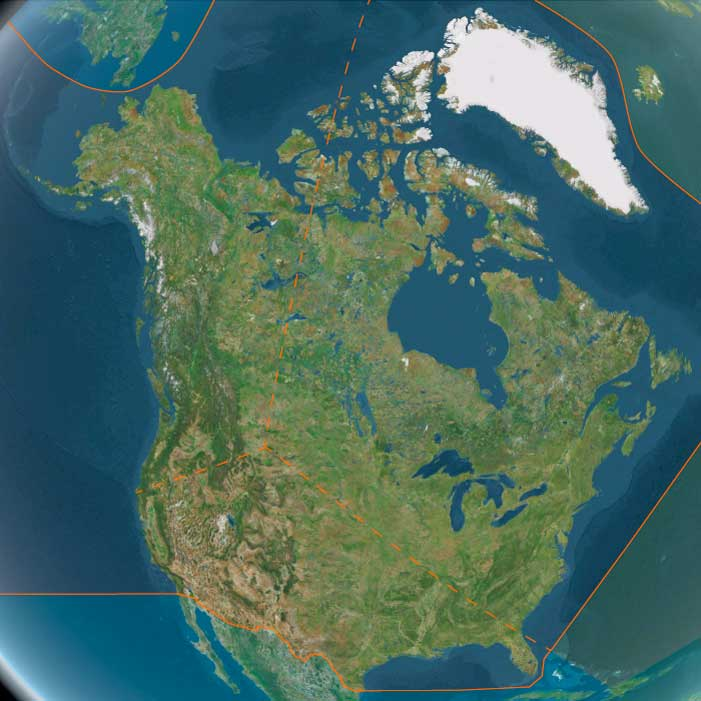
Northern North America
View →Subregions
