
Gulf and Western North America (1996–2007 CE):…
1996 CE to 2007 CE
Gulf and Western North America (1996–2007 CE): Technological Boom, Globalization, and Crisis Response
Technology and the Internet Age
From 1996 onward, Silicon Valley and the West Coast continue to be at the forefront of the global technology boom. The widespread adoption of the internet and the emergence of pioneering tech giants—including Google (1998) in California—reshape global communication, business, and culture. This digital revolution spurs economic growth across the region, particularly in tech hubs like San Francisco, Seattle, and Austin, significantly transforming everyday life and economic patterns.
Economic Globalization and Regional Integration
The implementation of NAFTA continues to expand trade and economic integration between the United States, Canada, and Mexico, increasing cross-border economic activity throughout Texas, California, and other border states. This era sees significant growth in manufacturing, logistics, and technology sectors, though debates persist regarding NAFTA's impacts on employment, wages, and environmental standards.
Environmental Challenges and Disasters
The period witnesses notable environmental and climatic events, such as Hurricane Katrina (2005), which devastates New Orleans and the Gulf Coast, revealing deep-rooted racial and socioeconomic inequalities, as well as weaknesses in disaster preparedness and response. The crisis becomes a national reckoning on race, poverty, and governmental accountability, sparking reforms in emergency management policies.
California and the Southwest face ongoing droughts, wildfires, and water scarcity, signaling growing environmental pressures linked to climate change and population growth.
Immigration, Demographic Shifts, and Policy Debates
Immigration remains a central social and political issue, especially in California, Texas, Arizona, and Florida. Rising Hispanic and Asian American populations significantly reshape the demographics and political dynamics of the region. Immigration policy becomes a contentious national issue, with debates focused on border security, undocumented immigration, labor rights, and the path to citizenship.
Political Polarization and Electoral Controversy
The region and the nation experience significant political polarization. The 2000 presidential election—notably the controversial vote recount in Florida—highlights divisions within American politics and leads to increased scrutiny of electoral processes. George W. Bush's presidency (2001–2009), rooted in Texas conservatism, significantly influences national security policies, especially following the terrorist attacks of September 11, 2001.
Cultural Influence and Entertainment Evolution
Hollywood and the California entertainment industry continue to dominate global film, television, and music markets, with notable cultural exports reshaping international popular culture. The expansion of online media platforms and digital streaming begins to transform traditional entertainment industries and consumer behavior.
Key Historical Developments
-
Expansion and dominance of internet technology, particularly from California’s Silicon Valley.
-
Continued economic growth and debate under NAFTA.
-
Hurricane Katrina (2005) exposes social inequalities and governmental shortcomings.
-
Intensified immigration debates reshaping regional demographics and national politics.
-
Political polarization exemplified by the 2000 presidential election and subsequent Bush presidency.
-
Ongoing cultural influence and transformation of the entertainment industry via digital media.
Long-Term Consequences and Historical Significance
The era from 1996 to 2007 significantly reshapes Gulf and Western North America through technological innovation, economic integration, and critical social debates. Events like Hurricane Katrina and the political polarization of the 2000 election have lasting impacts, shaping political, environmental, and social policies. The region remains a global hub of technological and cultural influence into the twenty-first century.
People
Groups
Commodities
Subjects
Regions
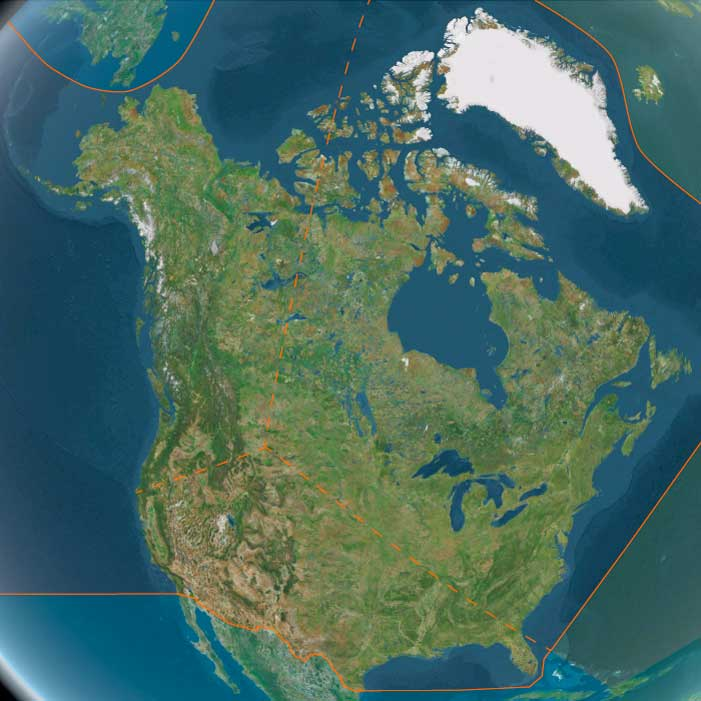
Northern North America
View →Subregions
