The Methuen Treaty (1703): English-Portuguese Trade and…
1684 CE to 1827 CE
The Methuen Treaty (1703): English-Portuguese Trade and the Flow of Brazilian Gold
The Methuen Treaty of 1703, signed between England and Portugal, transformed Anglo-Portuguese trade relations, reinforcing England’s dominance in global commerce. The treaty allowed Portugal preferential duty rates on wine exports to England, while Portugal agreed to remove restrictions on English manufactured goods. This agreement heavily favored England, and the imbalance was financed by gold from Brazil.
Key Provisions of the Methuen Treaty (1703)
-
Preferential Duties on Portuguese Wine
- English consumers were encouraged to buy Portuguese wine (especially Port) over French wine, benefiting Portugal’s viticulture.
-
Unrestricted Entry of English Manufactured Goods into Portugal
- Portugal lifted import restrictions, allowing English textiles, metal goods, and manufactured productsto flood the Portuguese market.
Impact on Trade Between England and Portugal
✔ A Dramatic Increase in English Exports to Portugal
- English goods accounted for 10% of Portugal’s total imports, a 120% increase over pre-treaty levels.
- England’s economy thrived as Portugal became a major consumer of British products.
✔ Portuguese Wine Exports Grew, but Less Significantly
- Portuguese exports to England rose by only 40%, mainly consisting of wine.
❌ A Trade Imbalance Paid for with Brazilian Gold
- Portugal’s gold from Brazil financed the massive trade deficit with England.
- Effectively, Brazilian gold was flowing directly into the British economy, fueling England’s rise as an industrial and financial power.
Long-Term Consequences of the Methuen Treaty
✔ Strengthened Anglo-Portuguese Relations
- Portugal remained economically dependent on England, ensuring close diplomatic ties.
❌ Deindustrialization of Portugal
- The influx of English goods stifled Portuguese manufacturing, making Portugal reliant on imports.
❌ Brazilian Gold Fueled Britain’s Economic Growth
- The trade imbalance meant that Portugal’s colonial wealth flowed to Britain, financing English industry, banking, and empire-building.
Conclusion: A Treaty That Benefited England at Portugal’s Expense
The Methuen Treaty (1703) was a turning point in Anglo-Portuguese trade, but while it strengthened Portugal’s wine industry, it crippled Portuguese industrial development. With Brazilian gold paying for the trade deficit, England benefited immensely, using the wealth from Portugal’s colony to fuel its own rise as a global economic power.
Locations
Groups
Commodities
Subjects
Regions
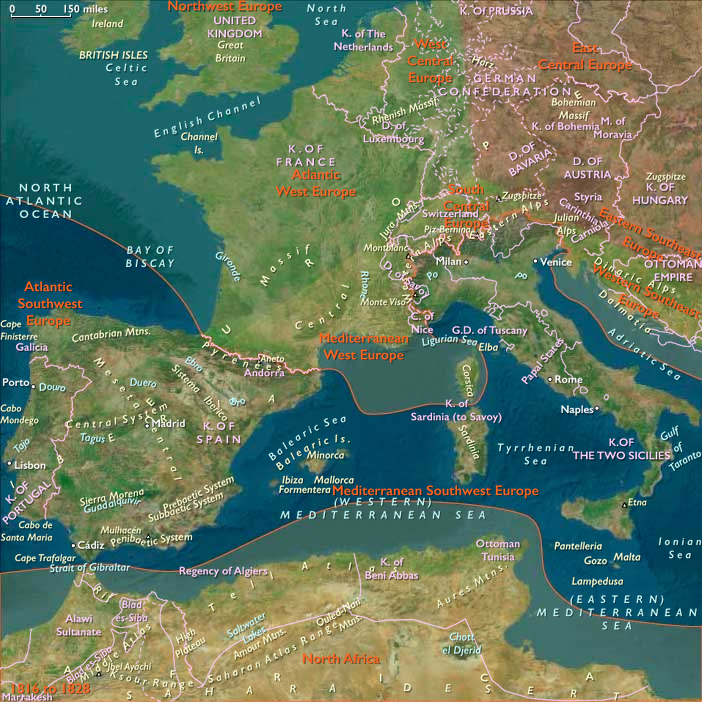
Southwest Europe
View →Subregions