
Emperor Henry III’s Flemish Campaign and the …
Years: 1054 - 1054
Emperor Henry III’s Flemish Campaign and the Coronation of His Son (1054)
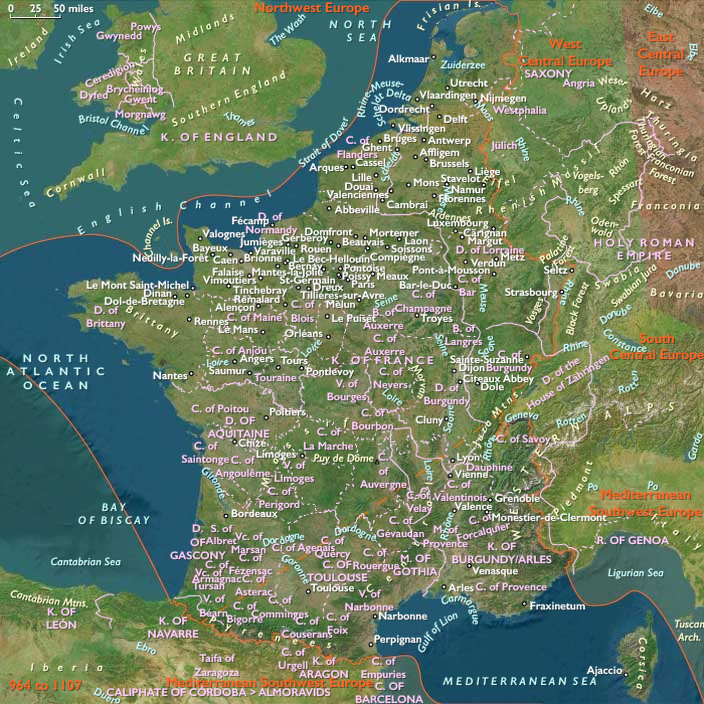
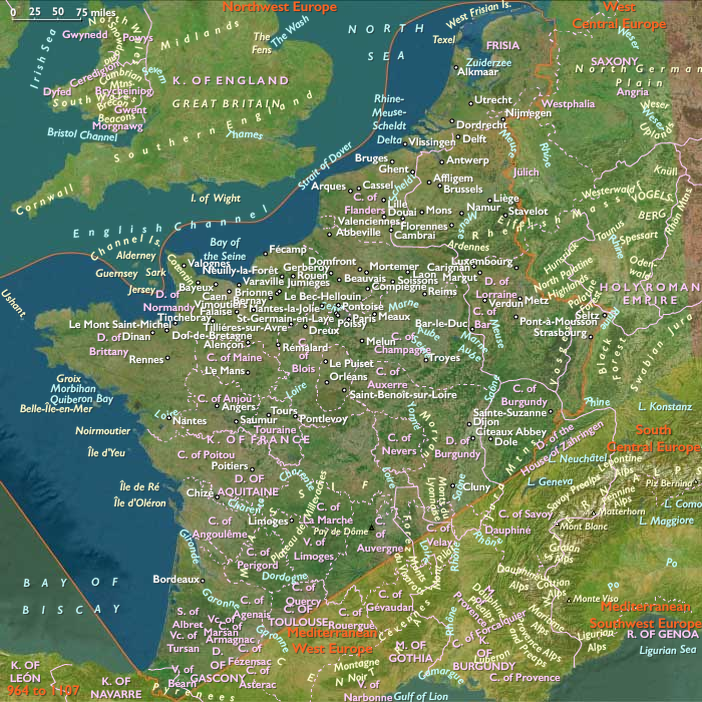
In 1054, Emperor Henry III shifted his focus westward, strengthening his dynasty while simultaneously confronting renewed hostilities in Flanders. As Baldwin V of Flanders and his son Baldwin VI (of Antwerp) took up arms once more, Henry launched a new campaign against them, using local allies to assist his advance.
The Coronation of Henry IV at Aachen (July 17, 1054)
- Before marching into Flanders, Henry III took a key dynastic step by crowning his young son, Henry IV, as King of the Romans at Aachen.
- This act was a common imperial tradition, ensuring a clear line of succession and strengthening Henry III’s authority over the Holy Roman Empire.
- With his son crowned, Henry then turned his attention to the ongoing Flemish rebellion.
The Flemish Rebellion and John of Arras’ Role
- John of Arras, a local Flemish noble, had previously seized Cambrai, only to be forced out by Baldwin V of Flanders.
- Seeking revenge, John turned to Emperor Henry III, offering his support for an imperial invasion of Flanders.
- John brokered a deal—if Henry could persuade Liutpert, Bishop of Cambrai, to grant John control of the castle, John would lead Henry through Flanders, guiding the imperial forces into enemy territory.
The Flemish Campaign and Its Mixed Outcome
- Henry III’s forces entered Flanders with John of Arras as their guide, engaging in a successful military campaign against Baldwin V and Baldwin VI.
- The campaign weakened the rebellious Flemish forces, demonstrating Henry’s continued dominance in the region.
- However, Liutpert, the Bishop of Cambrai, refused to comply with Henry’s request to install John in the castle.
- This prevented John from fully regaining his position in Cambrai, leaving a key strategic stronghold outside imperial control.
Aftermath and Consequences
- The campaign reinforced imperial authority in Flanders, keeping Baldwin V and Baldwin VI in check for the time being.
- However, Henry’s failure to secure Cambrai meant that imperial influence in the region remained incomplete.
- The unresolved tensions with the Baldwins ensured that conflict would continue in the coming years, as Flanders remained a hotbed of resistance against imperial intervention.
Henry’s 1054 campaign in Flanders demonstrated both his military effectiveness and the complexity of feudal politics, where even successful campaigns did not always translate into complete control. His decision to crown Henry IV ensured dynastic continuity, but his inability to fully secure Cambrai left unfinished business in the imperial-Flemish struggle.
Locations
People
- Adalbert of Hamburg
- Agnes of Poitou
- Andrew I of Hungary
- Baldwin V of Flanders
- Bernard II
- Bretislaus I
- Casimir I the Restorer
- Conrad I
- Edward the Confessor
- Godfrey III, Duke of Lower Lorraine
- Henry III, Holy Roman Emperor
- Henry IV, Holy Roman Emperor
- Peter Damian
- Pope Leo IX
- Sweyn II of Denmark
Groups
- Christianity, Chalcedonian
- Denmark, Kingdom of
- Saxony, Duchy of
- Flemish people
- Hamburg, Archbishopric of, and Bremen, Bishopric of
- Flanders, County of
- Bohemia, Duchy of
- Cologne, Electorate of
- German, or Ottonian (Roman) Empire
- Hungary, Kingdom of
- Poland of the first Piasts, Kingdom of
- England, (Anglo-Saxon) Kingdom of
- Lorraine (Lothier), Lower, (second) Duchy of
- Christians, Roman Catholic
Commodoties
Subjects
Regions
Subregions
Related Events
Showing 10 events out of 51146 total
Years: 1054 - 1054
Locations
People
- Adalbert of Hamburg
- Agnes of Poitou
- Andrew I of Hungary
- Baldwin V of Flanders
- Bernard II
- Bretislaus I
- Casimir I the Restorer
- Conrad I
- Edward the Confessor
- Godfrey III, Duke of Lower Lorraine
- Henry III, Holy Roman Emperor
- Henry IV, Holy Roman Emperor
- Peter Damian
- Pope Leo IX
- Sweyn II of Denmark
Groups
- Christianity, Chalcedonian
- Denmark, Kingdom of
- Saxony, Duchy of
- Flemish people
- Hamburg, Archbishopric of, and Bremen, Bishopric of
- Flanders, County of
- Bohemia, Duchy of
- Cologne, Electorate of
- German, or Ottonian (Roman) Empire
- Hungary, Kingdom of
- Poland of the first Piasts, Kingdom of
- England, (Anglo-Saxon) Kingdom of
- Lorraine (Lothier), Lower, (second) Duchy of
- Christians, Roman Catholic
Commodoties
Subjects
Regions
Subregions