Event
Interior East Africa (909–478 BCE) Archaic Antiquity…
Interior East Africa (909–478 BCE)
Archaic Antiquity — Highland Farming, Early Iron, and Rift–Lake Communities
Geographic and Environmental Context
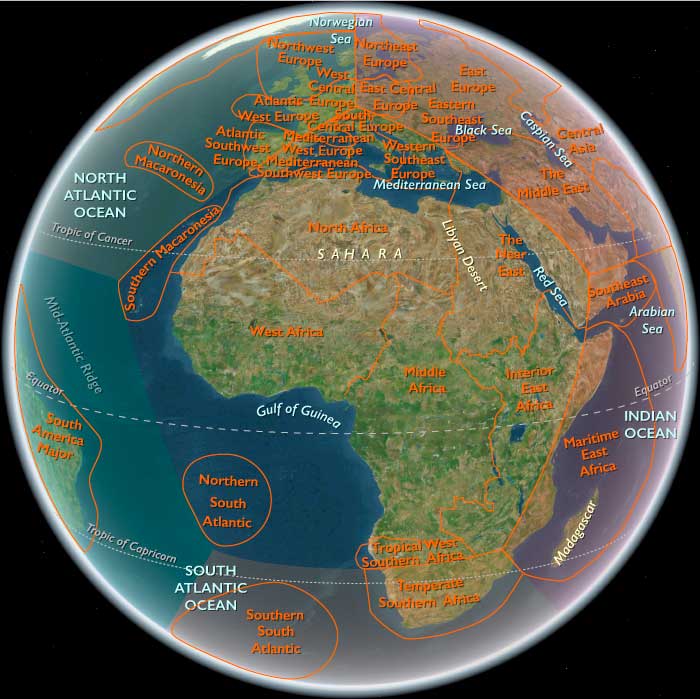
Interior East Africa included the Ethiopian and Eritrean highlands, the Blue Nile headwaters, the Upper Nile–Sudd wetlands, the Rift Valley belts of Kenya and Tanzania, the Great Lakes region, and the Zambezi–Malawi corridor. Highlands, lakes, wetlands, escarpments, and savanna corridors structured settlement, farming, herding, fishing, and movement.
Climate and Environmental Shifts
Monsoon variability shaped rainfall across the highlands and Rift zones, while lakes, wetlands, and river headwaters buffered many local fluctuations.
Subsistence and Settlement
Highland cereal cultivation, cattle keeping, fishing, hunting, and gathering remained closely integrated. Early iron-using communities expanded through parts of the Rift, Great Lakes, and south-central zones, while northern highland societies such as Ona and early Daʿamat-related communities developed mixed pastoral and agricultural foundations.
Technology and Material Culture
Ironworking spread gradually alongside stone, bone, pottery, basketry, and livestock technologies. In the northern highlands, South Arabian influences began interacting with local traditions without displacing indigenous foundations.
Movement and Interaction Corridors
Rift corridors, lake shores, Nile headwaters, and Red Sea-facing highland routes linked communities across contrasting ecological zones.
Belief and Symbolism
Ancestor traditions, rainmaking, cattle symbolism, sacred highlands, lakes, springs, and early temple traditions all reflected long-standing environmental relationships.
Environmental Adaptation and Resilience
Communities maintained resilience through mixed farming, livestock, fishing, foraging, and mobility across highlands, wetlands, and lake margins.
Legacy of the Age
By 478 BCE, Interior East Africa had developed durable farming, herding, fishing, and exchange systems across several ecological provinces, laying the foundations for later highland states, lake-region chiefdoms, and iron-farming societies.
-
{# Image navigates to the detail page; the magnifying-glass chip is the only Fancybox lightbox trigger (kept a separate sibling — anchors can't nest). #}
 The Middle of The Earth
World
-
{# Image navigates to the detail page; the magnifying-glass chip is the only Fancybox lightbox trigger (kept a separate sibling — anchors can't nest). #}
 East Africa
Region
-
{# Image navigates to the detail page; the magnifying-glass chip is the only Fancybox lightbox trigger (kept a separate sibling — anchors can't nest). #}
 Interior East Africa
Subregion