International Renaissance Architecture (Early Renaissance, c. 1400–1500)…
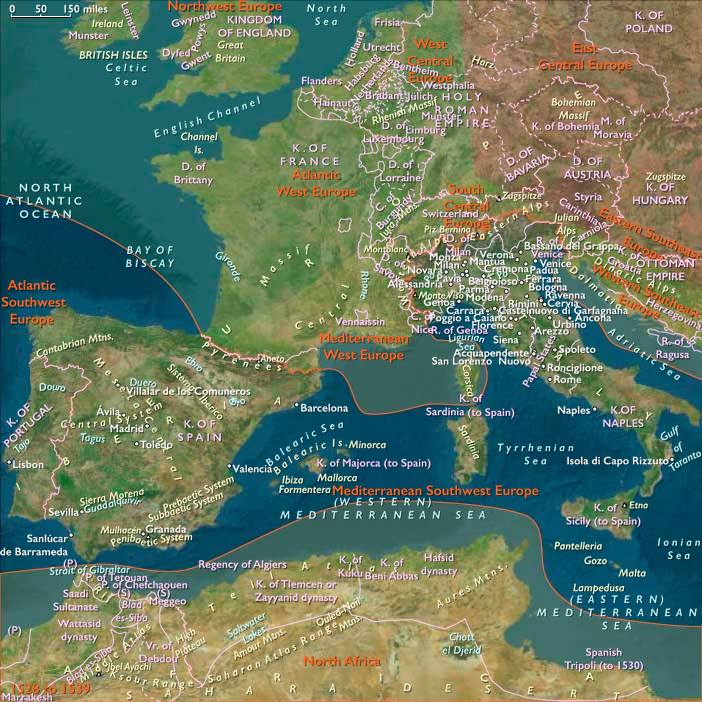
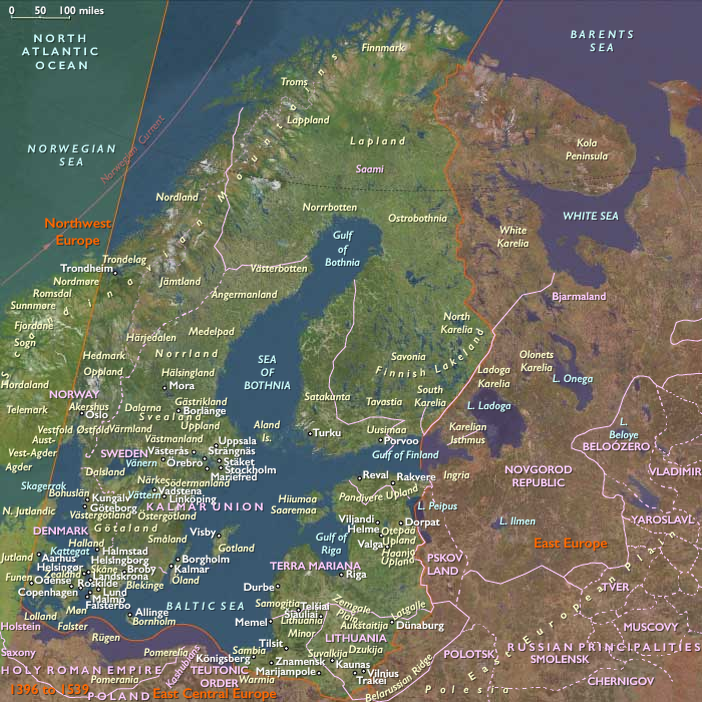
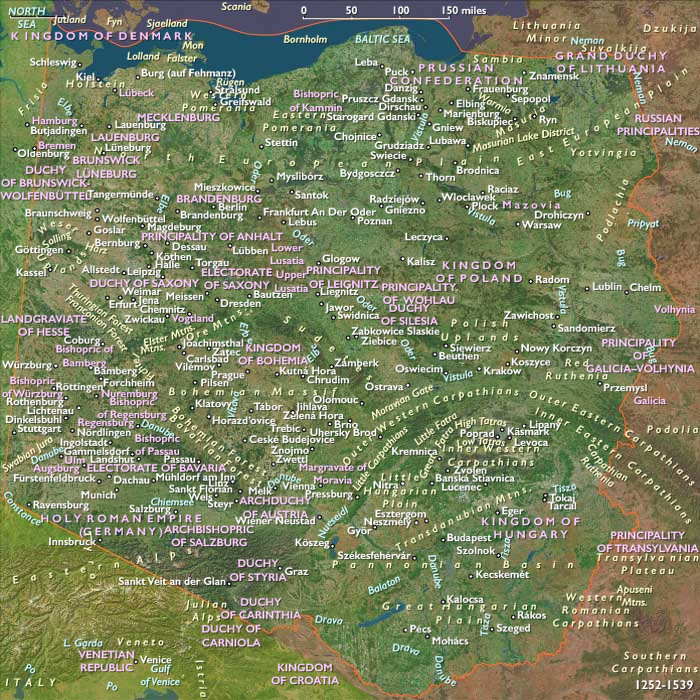
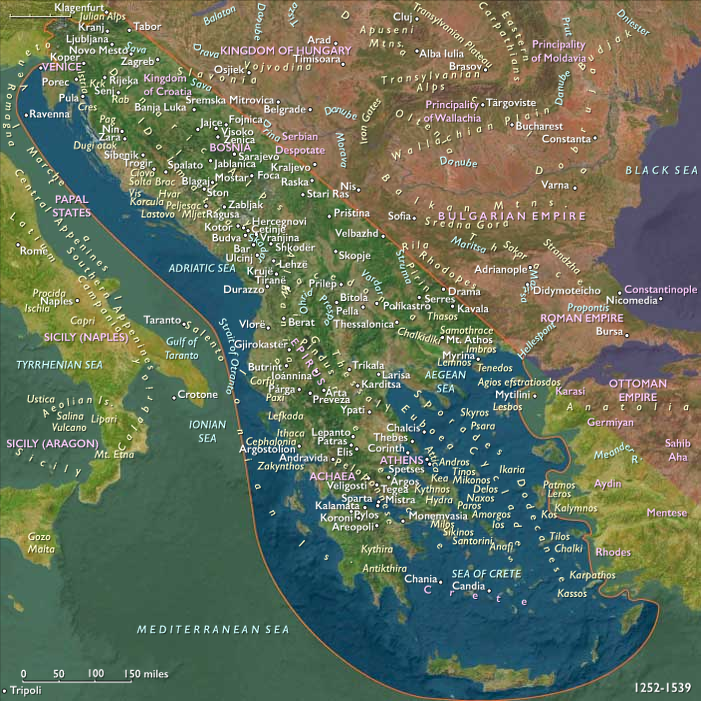
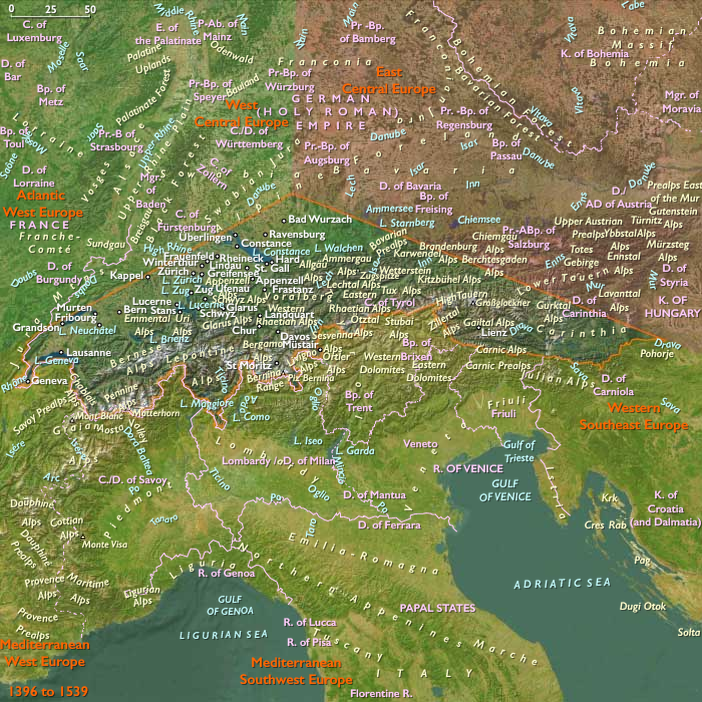
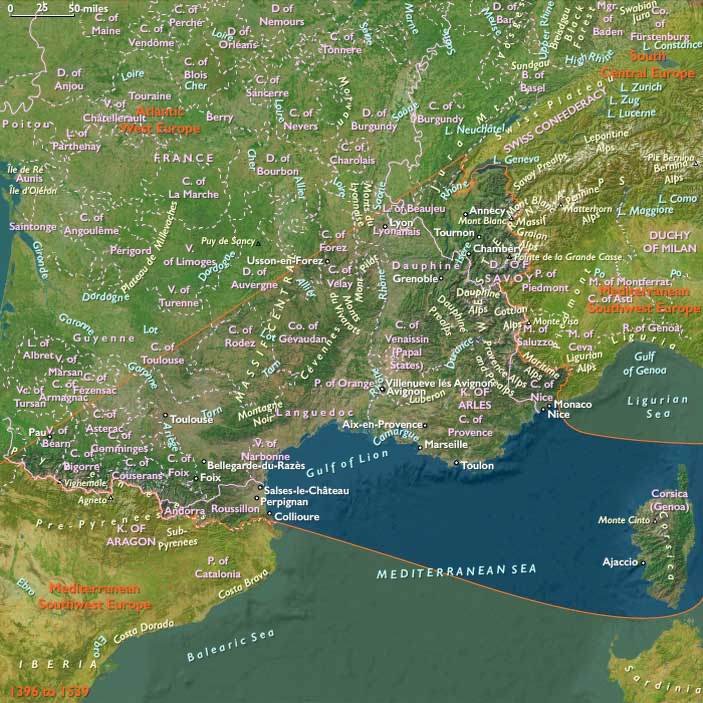
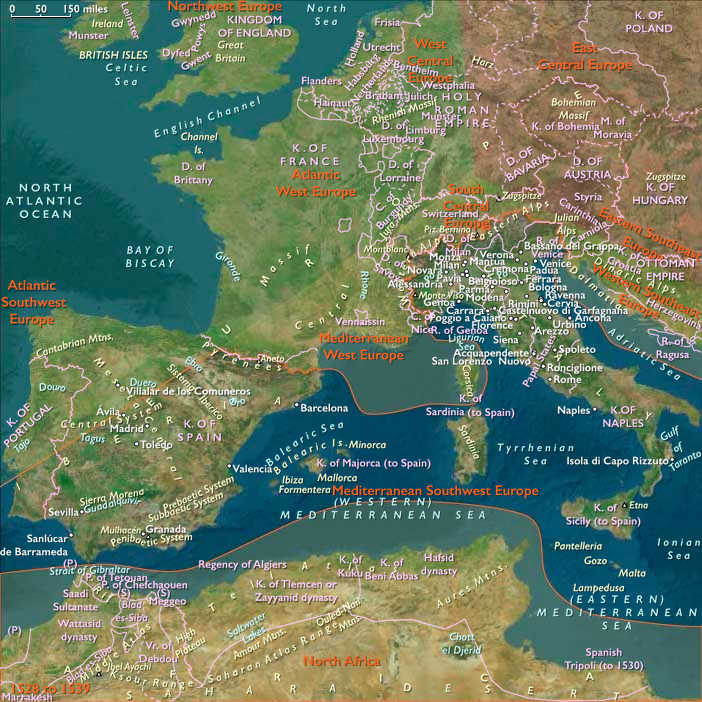
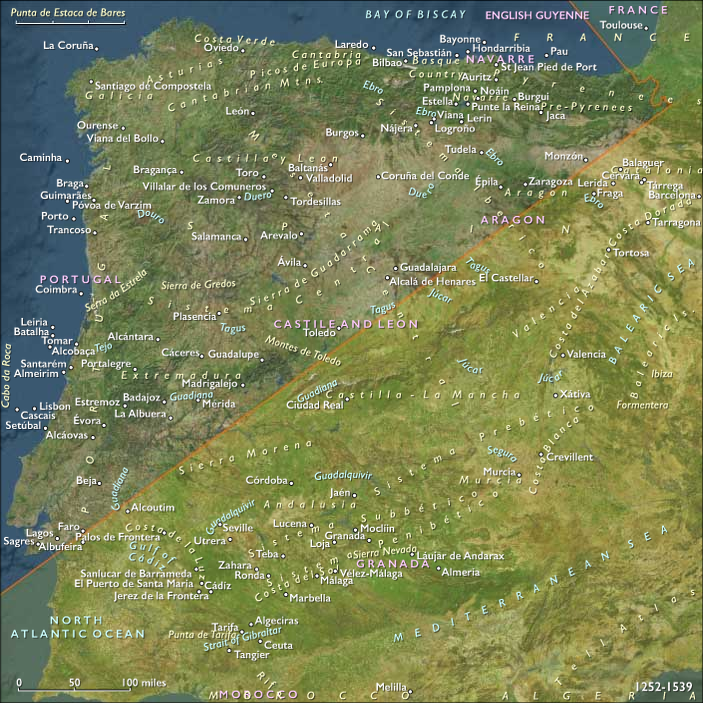
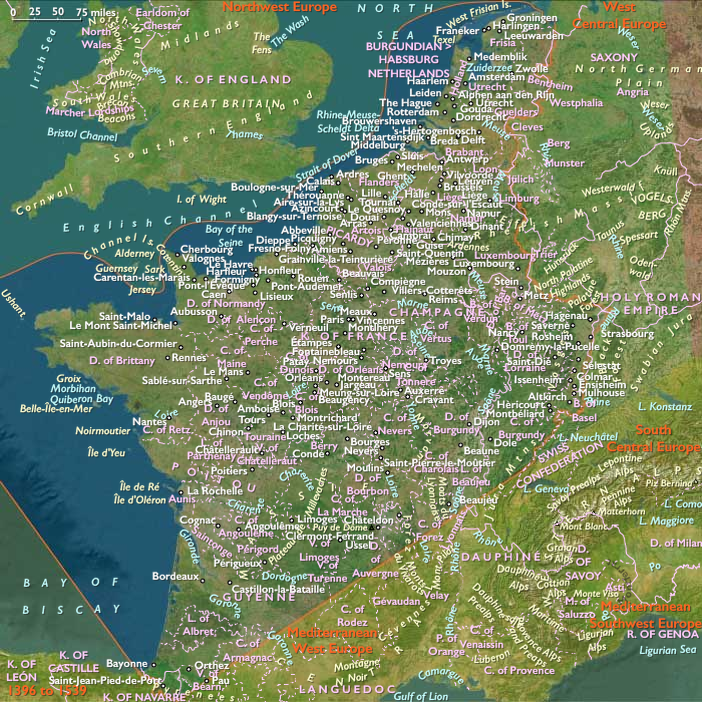
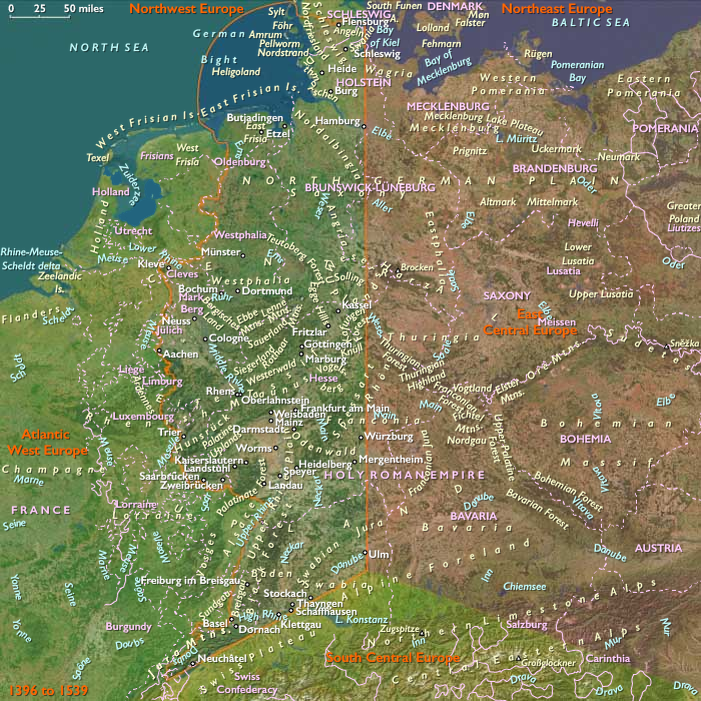
1396 CE to 1539 CE
International Renaissance Architecture (Early Renaissance, c. 1400–1500)
As the Gothic era waned, architects in Italy and beyond began integrating classical Roman motifs into their designs, forming the early phase of Renaissance architecture. This period saw a fusion of medieval structural principleswith classical symmetry and proportion.
Key Features of Renaissance Architecture
- Revival of classical Roman elements, including:
- Rounded arches instead of Gothic pointed ones.
- Domes and columns modeled on ancient Roman designs.
- Mathematical proportion and symmetry, inspired by Vitruvius.
- Use of classical orders (Doric, Ionic, Corinthian) to structure facades.
- Blending medieval and classical elements, especially in transitional buildings that retained some Gothic features.
Examples of International Renaissance Architecture
- Brunelleschi’s Dome, Florence Cathedral (begun 1418, completed 1436) – The first great Renaissance dome, combining classical geometry with medieval engineering.
- Palazzo Medici Riccardi, Florence (1444–1460) – A Renaissance palace that integrates medieval fortress elements with classical arches and proportions.
- Sant'Andrea, Mantua (designed in 1472 by Leon Battista Alberti) – A perfect example of classical Roman influence, with its triumphal-arch facade.
The Transition from Gothic to Renaissance
- The International Gothic style was the last flowering of medieval architecture, reaching peak elegance and intricacy.
- The Renaissance movement, beginning in Italy, reintroduced classical order, perspective, and mathematical harmony into architecture.
- These two styles coexisted for a time, leading to hybrid buildings that featured both medieval verticality and classical symmetry.
The International Gothic and Renaissance styles together represent a turning point in architectural history, marking the end of medieval aesthetics and the dawn of a new humanistic and classical approach.