
The Emergence and Spread of the Urnfield …
Years: 1341BCE - 1198BCE
The Emergence and Spread of the Urnfield Burial Rite (c. 1300–800 BCE)
Toward the end of the second millennium BCE, the flat-grave cremation burial rite, commonly associated with the Urnfield culture, became widely adopted across Central and Western Europe. This marked a significant shift in funerary customs, replacing earlier inhumation practices and influencing the social and ritual traditions of Late Bronze Age societies.
Origins and Development of the Urnfield Cremation Rite
- The cremation practice is believed to have originated in the Balkans, where it was widespread in the eastern part of the Tumulus culture (c. 1600–1200 BCE).
- The Urnfield culture (c. 1300–800 BCE) developed as a direct successor to the Tumulus culture, adopting cremation and extending its influence westward into Central and Western Europe.
- The transition to urn burials was gradual, with overlapping traditions in both pottery styles and burial practices.
Geographic Spread of the Urnfield Tradition
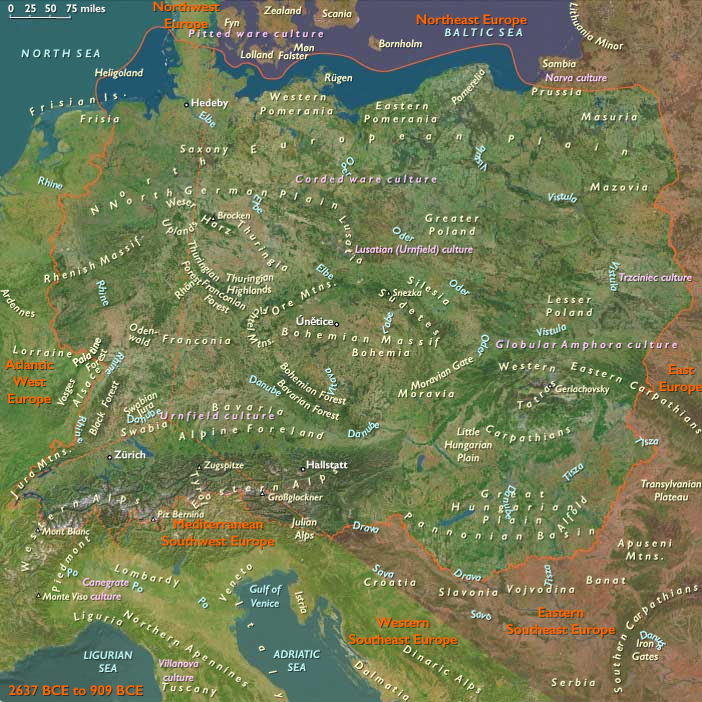
The Urnfield burial rite was practiced across a vast territory, stretching from:
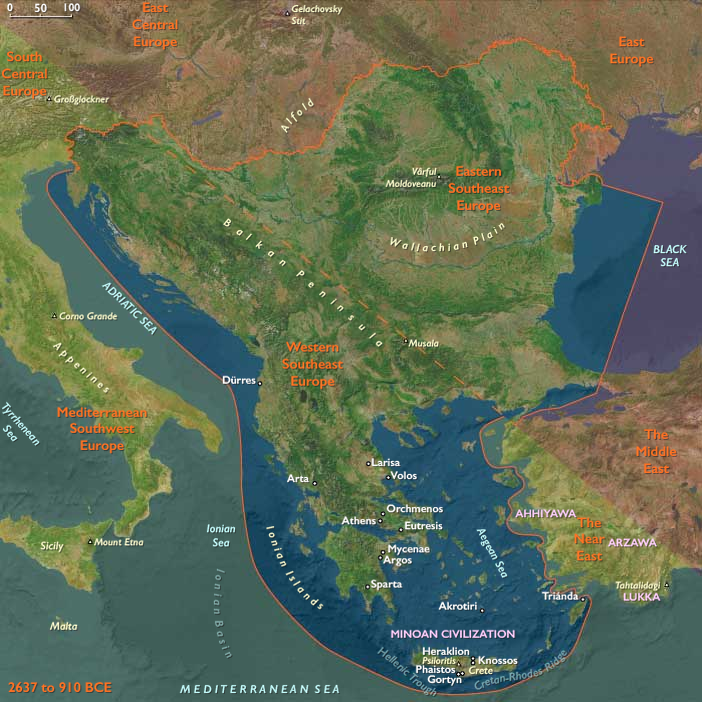
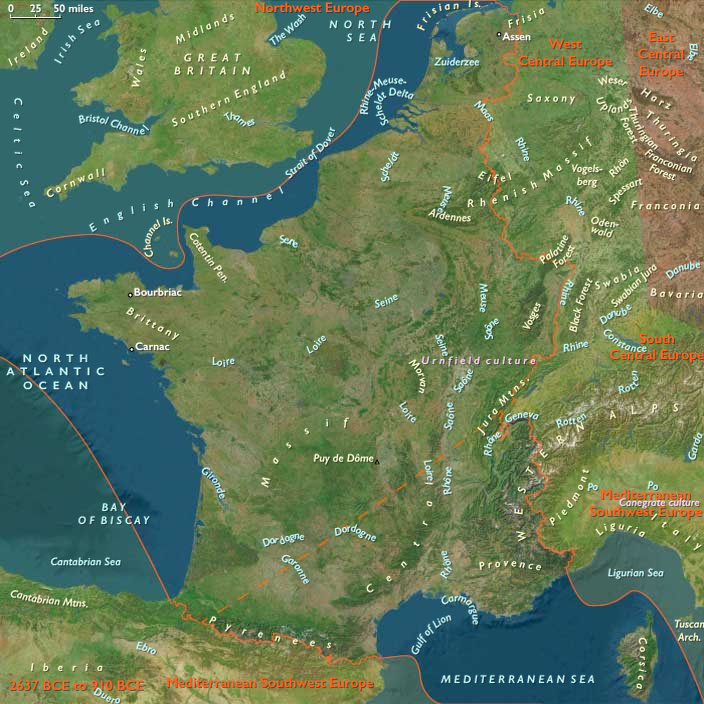
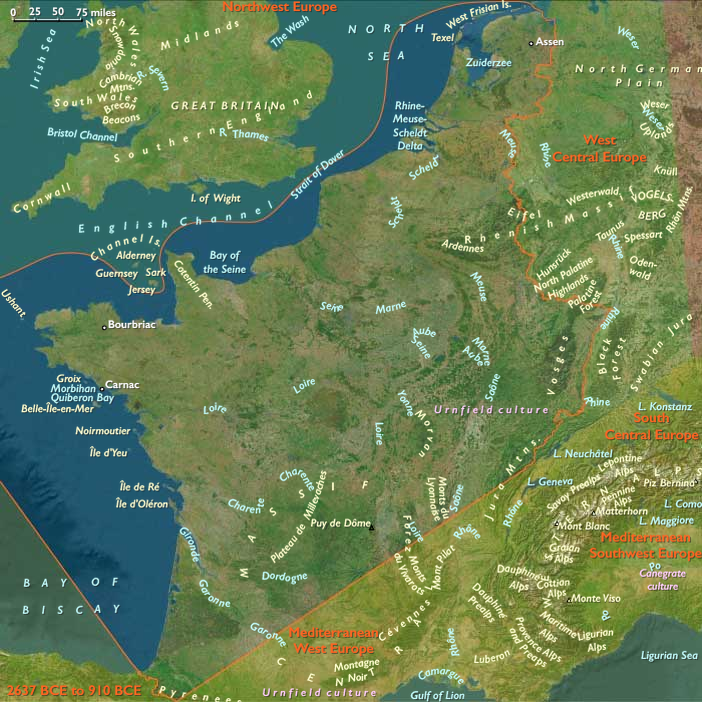
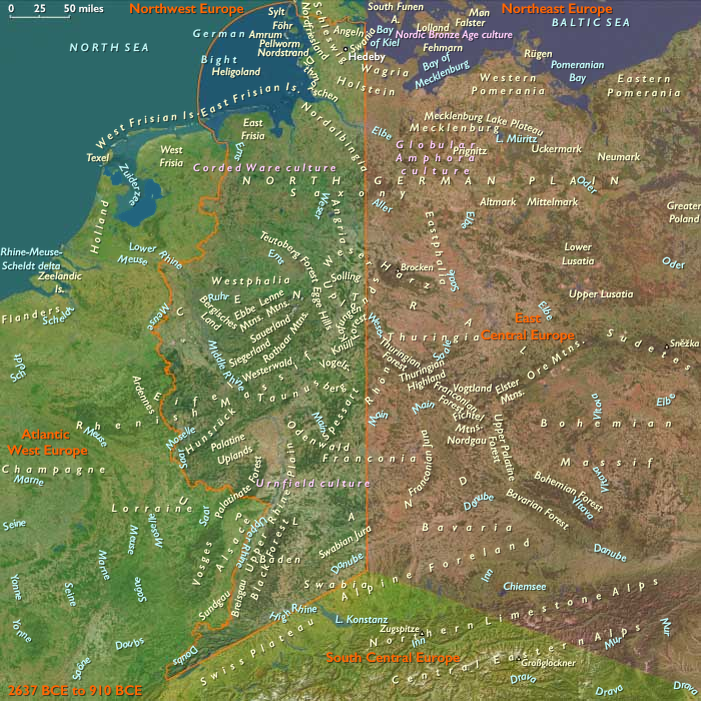
- Western Hungary to Eastern France
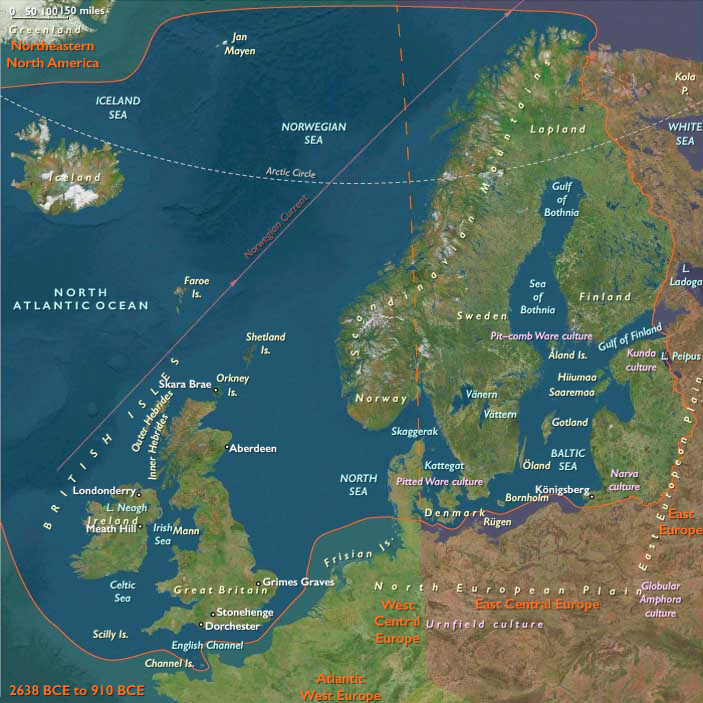
- The Alps to near the North Sea
This widespread distribution reflects the influence of Urnfield traditions on diverse regional cultures, many of which later developed into Iron Age societies such as:
- The Hallstatt culture in Central Europe (1200–450 BCE)
- The Proto-Celtic societies of Western Europe
- The Nordic Bronze Age cultures in Scandinavia
Cultural and Social Implications
- The adoption of cremation and the use of urnfields (large burial grounds for urns) suggest changes in religious beliefs and concepts of the afterlife.
- This period also saw an increase in warfare and social stratification, reflected in the construction of fortified settlements and hoards of bronze weapons.
- The Urnfield culture played a key role in shaping European prehistory, influencing later Celtic, Italic, and Germanic traditions.
Legacy of the Urnfield Culture
The widespread adoption of flat-grave cremation burial practices marks one of the most important cultural shiftsin Late Bronze Age Europe. As Urnfield traditions evolved, they laid the groundwork for Iron Age social and ritual customs, ultimately shaping the belief systems, settlement patterns, and political structures of early European civilizations.
Groups
Topics
Subjects
Regions
Subregions
- East Central Europe
- Eastern Southeast Europe
- Western Southeast Europe
- Atlantic West Europe
- West Central Europe


Related Events
Showing 10 events out of 67384 total
Years: 1341BCE - 1198BCE
Groups
Topics
Subjects
Regions
Subregions
- East Central Europe
- Eastern Southeast Europe
- Western Southeast Europe
- Atlantic West Europe
- West Central Europe