Event
Isthmian America (1540–1551 CE): The Rise of…
Isthmian America (1540–1551 CE): The Rise of Trans-Isthmian Commerce and Early Canal Considerations
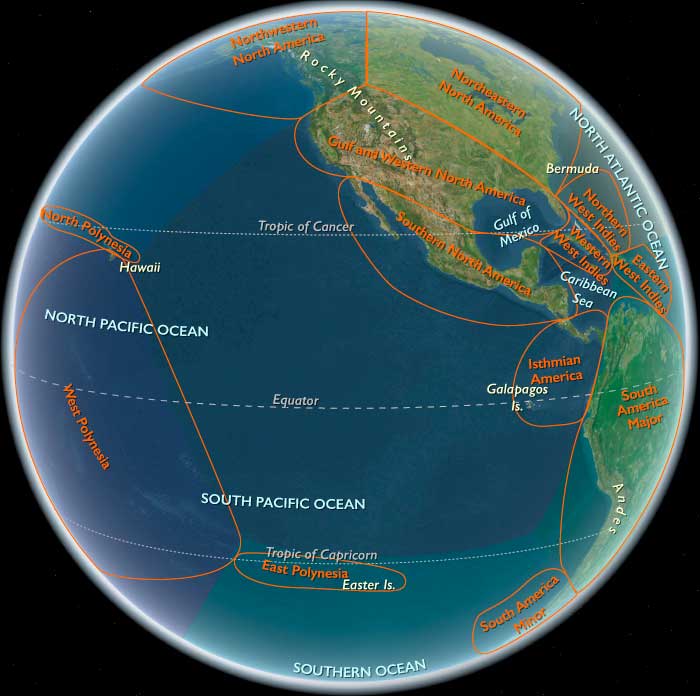
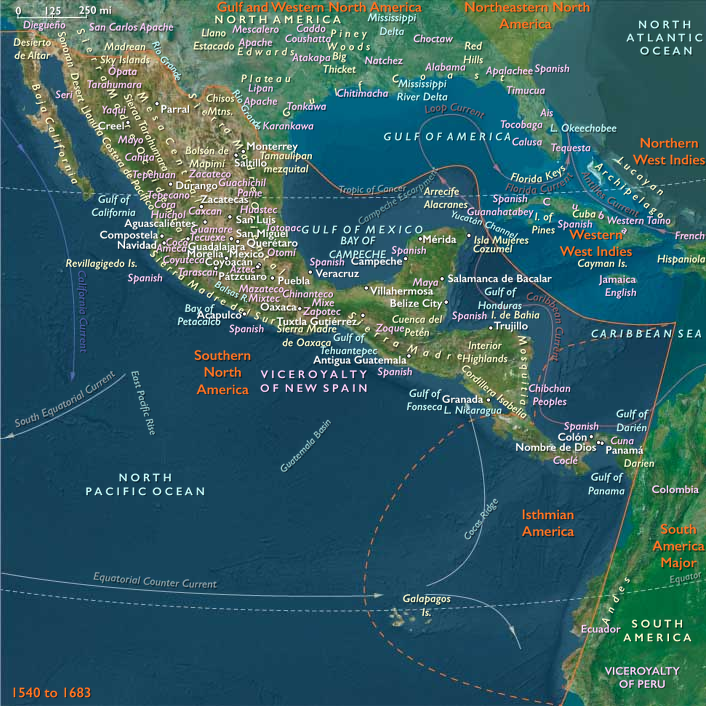
In 1540, the previously abandoned settlement of Nombre de Dios is reestablished, becoming a critical Atlantic port in the burgeoning Spanish trans-isthmian trade network. Strategically situated to facilitate transportation across the narrow landmass, Nombre de Dios grows increasingly vital as gold, silver, and precious goods from Peru flow through the isthmus toward Europe.
Connecting Panama City on the Pacific coast with Nombre de Dios on the Atlantic is the Camino Real ("Royal Road"). This rugged overland route sees caravans of mules and human porters laden with precious metals, textiles, spices, and other valuables. The wealth transported along the Camino Real attracts pirates and buccaneers, initiating centuries of conflict in the region. Today, traces of this historic trail still wind through Panama’s dense forests and mountains, a reminder of the isthmus's vital economic and strategic role in the early modern period.
Given the increasing volume of trade and the difficulties posed by this land-based transportation, Spanish authorities repeatedly consider the possibility of constructing a water passage across the narrow isthmus. Surveys and feasibility studies, first initiated by the Spanish crown as early as the 1520s and 1530s, aim to ascertain whether a canal could be built, significantly easing the transport of wealth between oceans.
Despite the clear economic advantages, the plan is ultimately set aside around mid-century. King Philip II (who ascends the throne in 1556), reflecting the theological worldview of his time, famously dismisses the canal concept, asserting that if it had been God's intent to create such a passage, He would have done so naturally. This decision halts any further practical pursuit of canal-building for centuries, leaving the Camino Real as the main artery of Spanish wealth flowing through the isthmus.
-
{# Image navigates to the detail page; the magnifying-glass chip is the only Fancybox lightbox trigger (kept a separate sibling — anchors can't nest). #}
 The Far West
World
-
{# Image navigates to the detail page; the magnifying-glass chip is the only Fancybox lightbox trigger (kept a separate sibling — anchors can't nest). #}
 Middle America
Region
-
{# Image navigates to the detail page; the magnifying-glass chip is the only Fancybox lightbox trigger (kept a separate sibling — anchors can't nest). #}
 Isthmian America
Subregion