Event
Isthmian America (1576–1587 CE): Heightened Defenses and…
Isthmian America (1576–1587 CE): Heightened Defenses and Continued Piracy
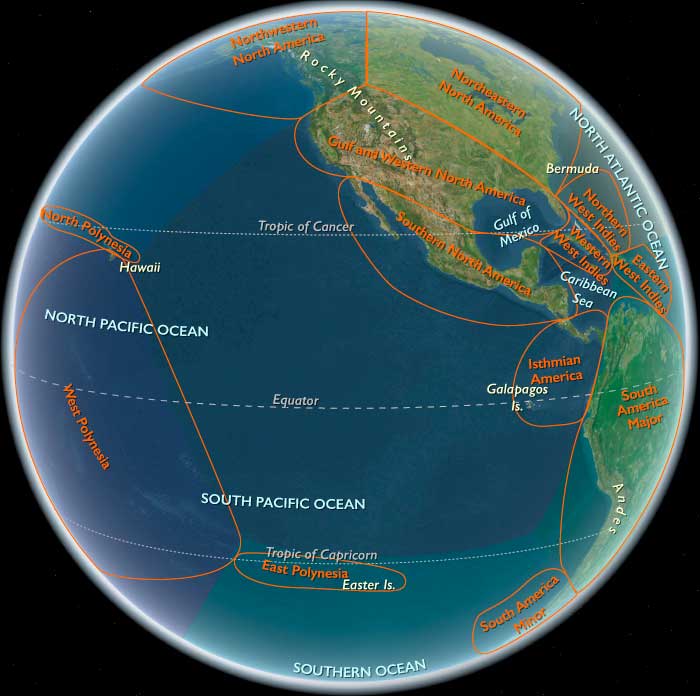
During this era, the Spanish empire significantly fortifies its defenses across the Isthmian region in response to persistent threats from pirates and European privateers. The town of Portobelo steadily rises as the critical hub for the transshipment of treasure from Peru and the Pacific, prompting further investments in military infrastructure. Construction and expansion of imposing fortifications, notably Fuerte San Felipe and Fuerte San Jerónimo, reflect Spain’s determination to safeguard its invaluable cargo.
Despite these strengthened defenses, piracy continues to threaten Spanish dominance. In 1577, Francis Drake once again raids along the Caribbean coast and, between 1577 and 1580, undertakes a global circumnavigation targeting Spanish holdings, underscoring the Isthmus’s ongoing vulnerability.
The indigenous populations, including surviving Ngäbe, Naso, and Guna peoples, continue retreating into more remote territories, maintaining independence by exploiting the rugged terrain to avoid direct confrontation. Nevertheless, the pressures of colonization progressively erode their autonomy and traditional ways of life, reshaping their societies.
This period marks the intensification of the Chocó region as a refuge for escaped African slaves (Cimarrones), indigenous peoples, and others fleeing colonial oppression. The resulting multicultural communities begin shaping a distinctive cultural identity that will persist for centuries.
Thus, between 1576 and 1587, Isthmian America emerges as a contested frontier marked by Spain’s intensified defensive measures, the persistence of piracy and foreign threats, and the evolving resilience of indigenous and Afro-indigenous populations.
-
{# Image navigates to the detail page; the magnifying-glass chip is the only Fancybox lightbox trigger (kept a separate sibling — anchors can't nest). #}
 The Far West
World
-
{# Image navigates to the detail page; the magnifying-glass chip is the only Fancybox lightbox trigger (kept a separate sibling — anchors can't nest). #}
 Middle America
Region
-
{# Image navigates to the detail page; the magnifying-glass chip is the only Fancybox lightbox trigger (kept a separate sibling — anchors can't nest). #}
 Isthmian America
Subregion