Event
Isthmian America (1612–1623 CE): Canal Dreams and…
Isthmian America (1612–1623 CE): Canal Dreams and the Rise of the Buccaneers
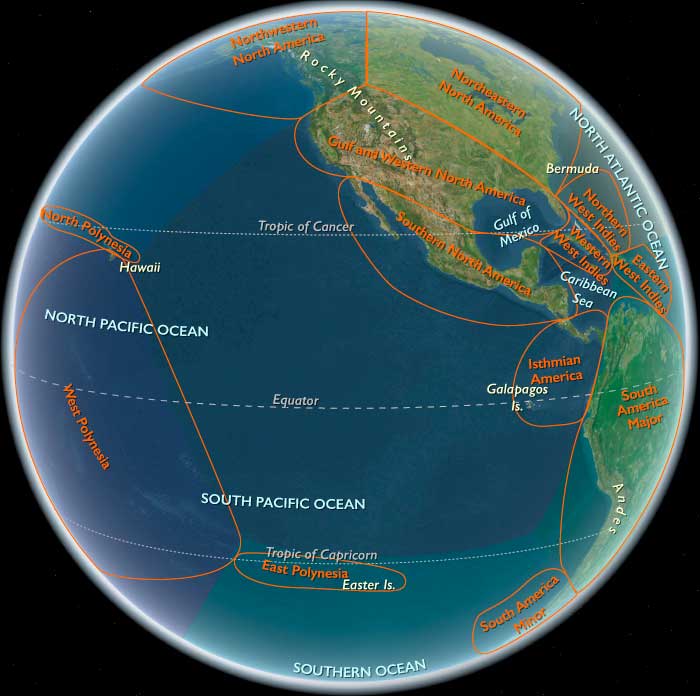
Between 1612 and 1623, renewed attention is paid to the possibility of constructing a trans-isthmian canal across Panama. Spanish King Philip III (1598–1621) briefly revives interest in the canal project, envisioning a shorter, safer route for transporting American treasures to Spain. However, his advisors on the Council of the Indies successfully oppose the plan, fearing that such a strategic waterway would become a tempting target for rival European nations. This concern underscores Spain’s declining naval dominance and growing vulnerability.
Meanwhile, Spain’s transatlantic commerce remains relatively secure in the first decades of the seventeenth century, but clouds gather on the horizon. England, France, and the Dutch Republic, frequently at war with Spain, aggressively establish colonial footholds in the Caribbean, creating advantageous bases from which privateers—known as buccaneers—launch raids on Spanish ships and settlements. Supported either openly or covertly by their governments, these English, French, Dutch, and sometimes Portuguese adventurers prove more damaging to Spanish trade than previous threats.
The activities of the buccaneers significantly impact the Spanish economy. The volume of registered precious metals arriving in Spain, which had peaked around 1600, starts a noticeable decline. By 1660, official imports of American precious metals to Spain fall below levels recorded a century earlier. This downturn results not only from the buccaneer attacks but also from the gradual exhaustion of Peruvian mines and increasing smuggling.
Thus, the era from 1612 to 1623 marks a critical turning point, signaling both waning Spanish power in the region and the rise of rival European nations, whose buccaneers exploit vulnerabilities along Spain's vital Caribbean and Isthmian trade routes.
-
{# Image navigates to the detail page; the magnifying-glass chip is the only Fancybox lightbox trigger (kept a separate sibling — anchors can't nest). #}
 The Far West
World
-
{# Image navigates to the detail page; the magnifying-glass chip is the only Fancybox lightbox trigger (kept a separate sibling — anchors can't nest). #}
 Middle America
Region
-
{# Image navigates to the detail page; the magnifying-glass chip is the only Fancybox lightbox trigger (kept a separate sibling — anchors can't nest). #}
 Isthmian America
Subregion