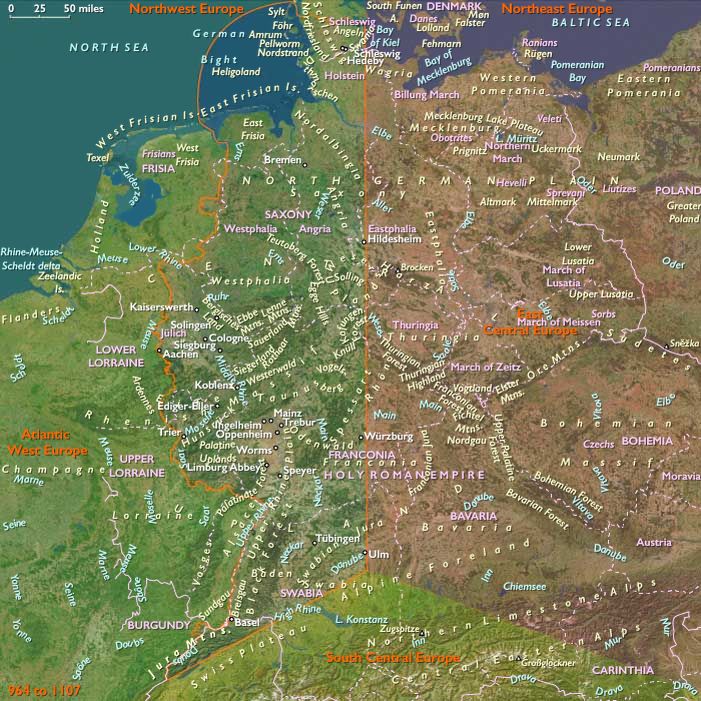
Jewish communities in the Rhineland (north of…
April 1096 CE
Jewish communities in the Rhineland (north of the main departure areas at Neuss, Wevelinghoven, Altenahr, Xanten and Moers) had been attacked in June and July 1095, but the leadership and membership of these crusader groups was not chronicled.
Some Jews have dispersed eastward to escape the persecution.
On top of the general Catholic suspicion of Jews at this time, when the thousands of French members of the People's Crusade arrive at the Rhine, they have run out of provisions.
To restock their supplies, they begin to plunder Jewish food and property while attempting to force them to convert to Catholicism.
In general, the crusader mobs do not fear any retribution as the local courts do not have the jurisdiction to pursue them past their locality nor the ability to identify and prosecute individuals out of the mob.
The pleas of the clergy are ignored on similar grounds (no cases against individuals are brought forward for excommunication) and the mob believes that anyone preaching mercy to the Jews is only doing so because they had succumbed to Jewish bribery.
Not all crusaders who have run out of supplies resort to murder; some, like Peter the Hermit, use extortion instead.
While no sources claim he preached against the Jews, he carries a letter with him from the Jews of France to the community at Trier.
The letter urges them to supply provisions to Peter and his men.
The Solomon bar Simson Chronicle records that they were so terrified by Peter’s appearance at the gates that they readily agreed to supply his needs.
Whatever Peter's own position on the Jews is, men claiming to follow after him feel free to massacre Jews on their own initiative, to pillage their possessions.
Bishop Egelbert of Trier, after being attacked by a mob on April 10, 1096, and threatened with death, offers to save all Jews who are willing to be baptized.
Most Jews choose to drown themselves instead.
Locations
People
Groups
Commodities
Subjects
Regions
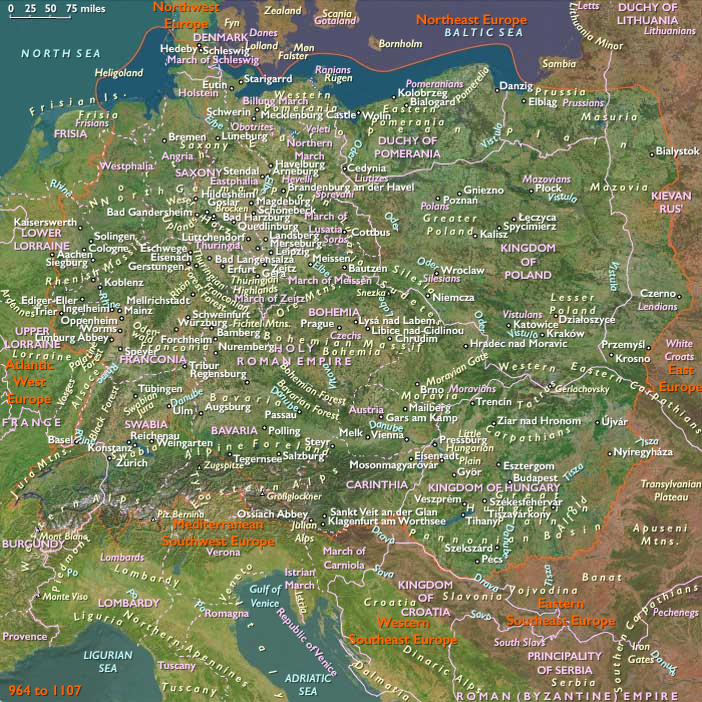
Central Europe
View →Subregions