
John Rogers and William Tyndale: The English…
1534 CE
John Rogers and William Tyndale: The English Reformation in Antwerp (1534)
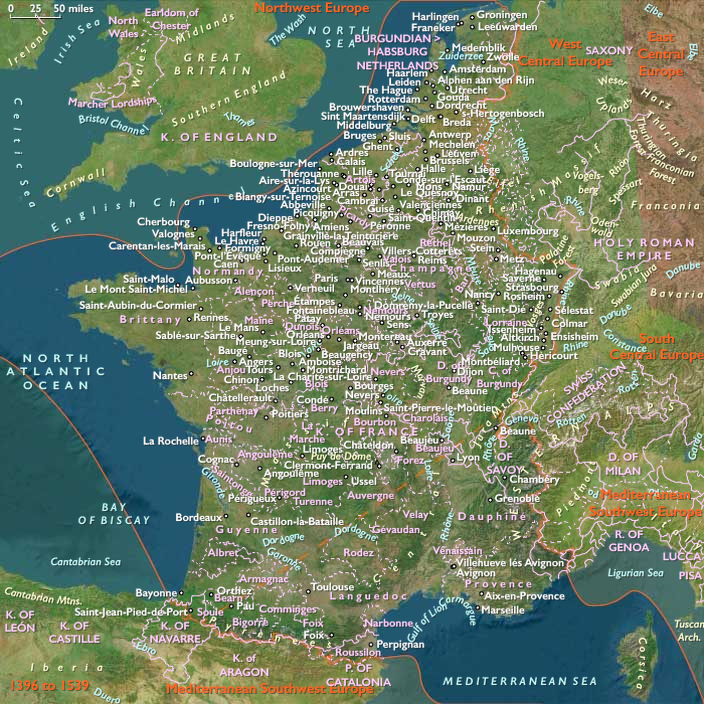
In 1534, significant developments in the spread of Protestantism among English-speaking communities occur in Antwerp, the bustling Flemish trade hub, involving two influential Protestant reformers: John Rogers and William Tyndale. Their collaboration proves instrumental in shaping the direction of religious reform in England and the English-speaking world.
John Rogers’ Conversion and Collaboration
John Rogers, a scholar educated at Cambridge University, moves to Antwerp in the early 1530s, where he serves as chaplain to the English merchant community. His intellectual and spiritual path dramatically changes in 1534 upon meeting William Tyndale, the renowned biblical translator and reformer. Influenced deeply by Tyndale’s teachings and scholarship, Rogers converts to Protestantism, breaking decisively with traditional Roman Catholic doctrine.
Rogers becomes closely involved in the vibrant Protestant community of Antwerp, rapidly embracing Tyndale’s efforts to provide vernacular scripture to English-speaking communities, long denied direct access to the Bible by church authorities.
Tyndale’s Biblical Translation and Protestant Advocacy
By 1534, William Tyndale, already well known for his groundbreaking translation of the New Testament into English(first printed in 1526), undertakes a thorough revision of his New Testament, meticulously refining the text. His approach notably favors robust, vivid Anglo-Saxon vocabulary, enhancing both readability and resonance for ordinary English speakers.
At the same time, Tyndale expands his translation efforts, publishing English versions of the Pentateuch (the first five books of the Old Testament) and the book of Jonah. His translation style is characterized by clarity, accessibility, and vibrant prose, directly challenging traditional ecclesiastical Latin texts and significantly increasing the spread of Protestant ideals among English-speaking populations.
Additionally, Tyndale actively engages in religious polemics, writing numerous Protestant tracts that critique established church practices, vigorously defending doctrines such as justification by faith alone and advocating for a reform in church teachings.
Thematic Importance and Long-term Consequences
Religious and Cultural Impact:
The collaboration of Rogers and Tyndale in Antwerp contributes significantly to the advancement of the English Reformation, particularly through their efforts in scriptural translation and dissemination of Protestant literature. The vernacular Bible translations and related writings play a critical role in shaping English religious identity, influencing the theological and literary heritage of the English-speaking world.
Legacy of John Rogers:
After Tyndale’s arrest and martyrdom in 1536, Rogers continues Tyndale’s translation work, notably incorporating Tyndale’s translations into the influential Matthew’s Bible (1537)—the first officially authorized English Bible under Henry VIII. Later, during the reign of Queen Mary I, Rogers will become the first Protestant martyr executed in England (1555), emblematic of the struggle and sacrifice associated with religious reform.
Tyndale’s Enduring Influence:
William Tyndale’s translations profoundly influence later biblical translations, especially the King James Bible (1611), ensuring his linguistic and doctrinal choices remain deeply embedded in English religious and literary culture. His emphasis on straightforward Anglo-Saxon diction helps shape English prose style, extending his impact far beyond religious circles into English literature and linguistics.
In summary, Rogers’ encounter with Tyndale in Antwerp in 1534, and their shared commitment to Protestant reform and vernacular scripture, marks a pivotal moment in the English Reformation, significantly advancing Protestant thought and the broader cultural transformation of English society.
Groups
Regions
West Europe
View →Subregions
