Event
Korea's traditional class system also includes a…
Korea's traditional class system also includes a peasant majority, and minorities of petty clerks, merchants, and so-called "base" classes, caste-like hereditary groups (paekchong) such as butchers, leather tanners, and beggars.
Although merchants rank higher than low-born classes, Confucian elites frown on commercial activity and will squelch it as much as possible right down to the twentieth century.
Peasants rank higher than merchants because they work the life-giving land, but the life of the peasantry is almost always difficult during the Joseon period, although it will be more so in the later centuries.
Most peasants are tenants, required to give up at least half of their crop to landlords as tax, and subject to various additional exactions.
The low-born classes are probably worse off, however, given the very high rates of slavery for much of the Joseon period
One source reports more than two hundred thousand government slaves in Seoul alone in 1462, and recent academic study has suggested that as much as sixty percent of Seoul's population may have been slaves.
In spite of slavery being hereditary, rates of escape from slavery and manumission also are unusually high.
Class and status hierarchies also are inherent in the Korean language and will persist into the contemporary period.
The correct form of address to superiors and inferiors is quite different, and elders can be addressed only using elaborate honorifics.
Even verb endings and conjugations differ according to station.
-
{# Image navigates to the detail page; the magnifying-glass chip is the only Fancybox lightbox trigger (kept a separate sibling — anchors can't nest). #}
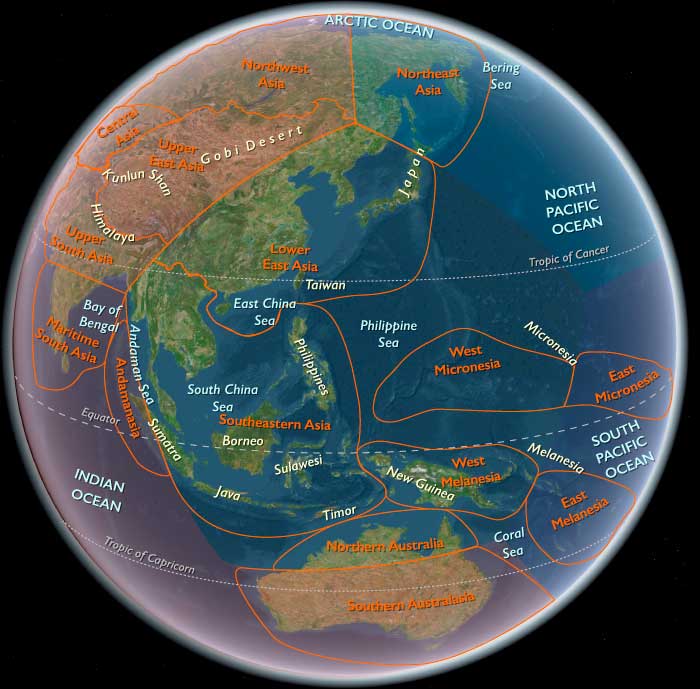
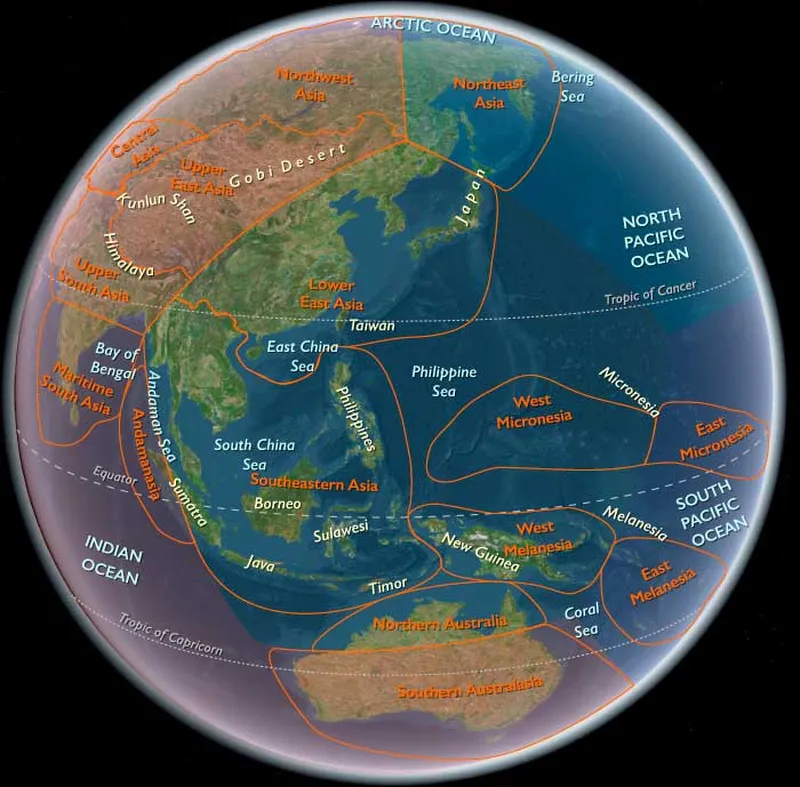 The Far East
World
-
{# Image navigates to the detail page; the magnifying-glass chip is the only Fancybox lightbox trigger (kept a separate sibling — anchors can't nest). #}
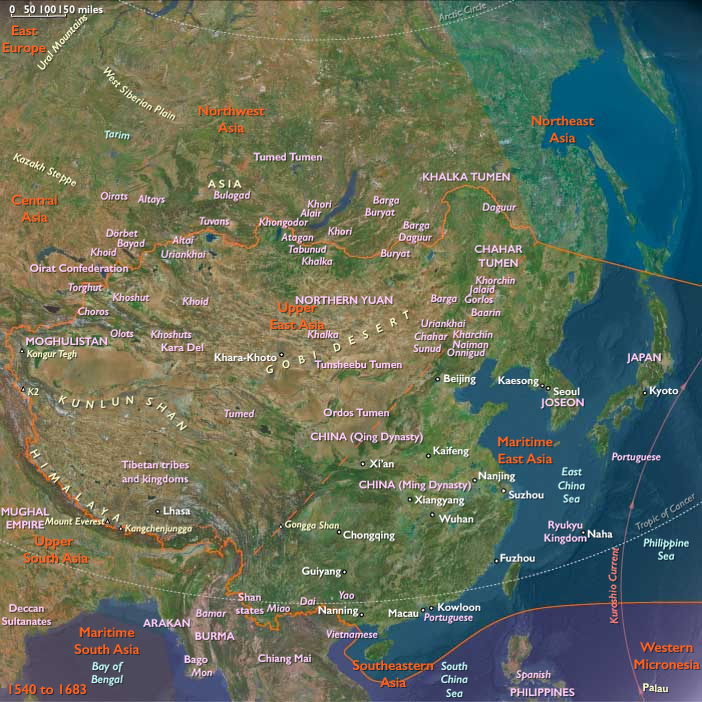 East Asia
Region
-
{# Image navigates to the detail page; the magnifying-glass chip is the only Fancybox lightbox trigger (kept a separate sibling — anchors can't nest). #}
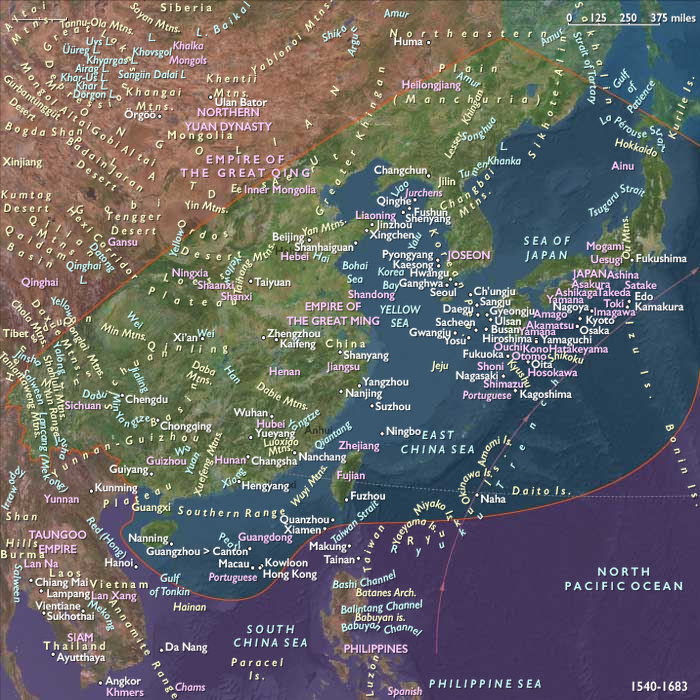 Maritime East Asia
Subregion