
lonso Berruguete’s Altarpiece for the Church of…
1537 CE
lonso Berruguete’s Altarpiece for the Church of Santiago, Valladolid (1537)
Alonso Berruguete (c. 1488–1561), one of Spain’s most important sculptors and painters of the Renaissance, completed an altarpiece for the Church of Santiago in Valladolid in 1537. This work exemplified his signature Mannerist style, characterized by dramatic movement, expressive figures, and dynamic compositions.
Berruguete’s Unique Artistic Style
- Berruguete’s work was deeply influenced by his time in Italy (1504–1517), where he studied Michelangelo, Leonardo da Vinci, and the works of Florentine Mannerism.
- His sculptures are known for:
- Twisted, elongated figures full of expressive emotion.
- Dramatic movement and tension, breaking away from rigid classical proportions.
- Strong contrasts of light and shadow, adding depth and intensity.
The Altarpiece of the Church of Santiago, Valladolid (1537)
- The retablo (altarpiece) is a masterpiece of Mannerist sculpture, blending Gothic traditions with Italian Renaissance influences.
- It features high-relief sculptures that depict religious scenes with theatrical expressiveness.
- The figures are highly animated, a hallmark of Berruguete’s emotionally charged style.
Berruguete’s Impact on Spanish Art
- His bold, energetic compositions marked a departure from the more static, restrained forms of earlier Spanish sculpture.
- Berruguete’s work in Valladolid, Toledo, and other cities shaped the evolution of Spanish Mannerism, influencing later sculptors such as Gregorio Fernández.
- His altarpieces, including the Church of Santiago (1537) and the monumental San Benito de Valladolidaltarpiece, solidified his reputation as the greatest Spanish sculptor of his time.
Conclusion: A Revolutionary Work in Spanish Renaissance Sculpture
Alonso Berruguete’s 1537 altarpiece for the Church of Santiago in Valladolid represents a key moment in the development of Spanish Mannerist sculpture. His expressive, dynamic figures and innovative use of space and form set a new standard for religious art in Spain, cementing his legacy as one of the most influential sculptors of the Spanish Renaissance.
Locations
People
Regions
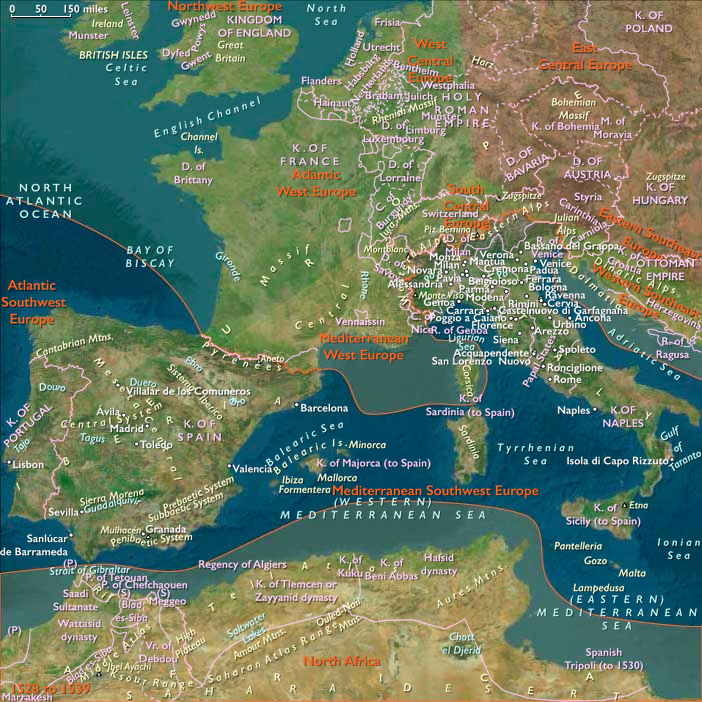
Southwest Europe
View →Subregions
